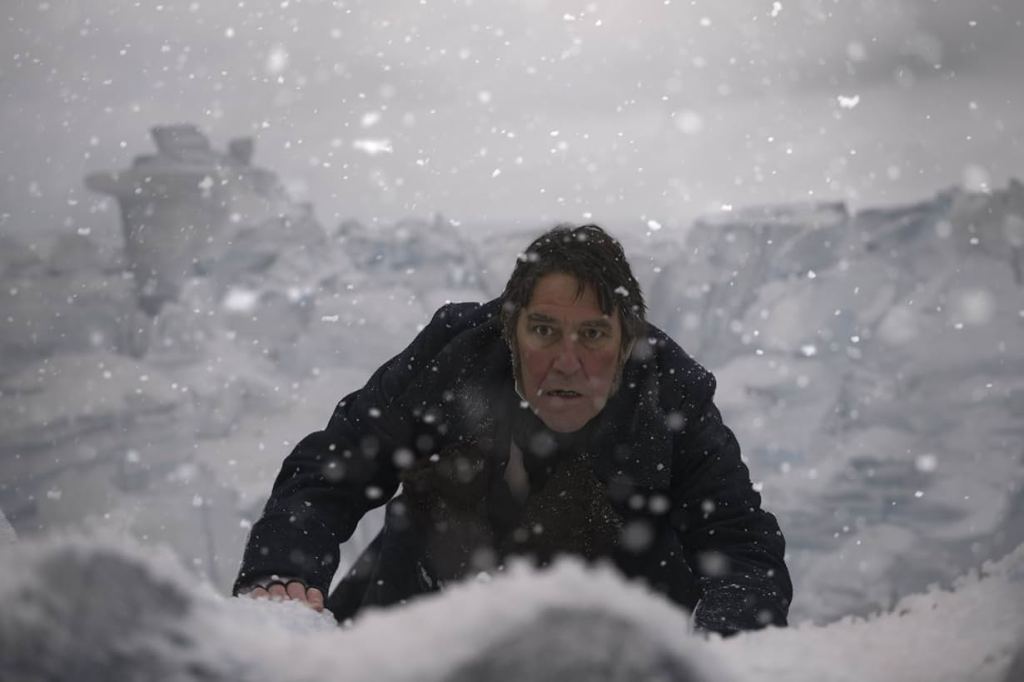
“As a trusted friend once put it… This place wants us dead.” – Francis Crozier
THE FATES ARE FICKLE MISTRESSES
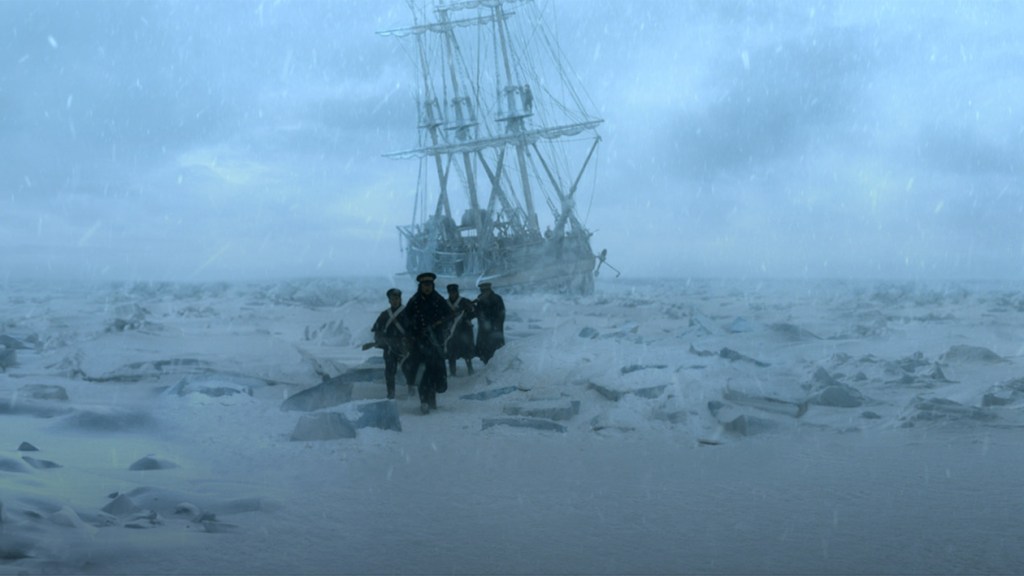
The first season of AMC’s The Terror is rooted in the real-life and ill-fated Franklin Expedition of 1845, a British mission to discover the Northwest Passage. Led by Sir John Franklin, the expedition took sail with two ships, HMS Terror and HMS Erebus, both technologically advanced in their own right for the time. Unfortunately, both ships and all 129 crew members aboard vanished in the Arctic. The journey, if completed, was to be the feather in the British Imperial cap. Rife with ambition, the journey not only symbolized the creation of a critical trade route but would also put Britain in the lead – dominating uncharted territories with a quickness. But their biggest mistake was underestimating the unforgiving conditions of their sought-out territory – extreme low temps, ice storms and low to zero vegetation-and it proved catastrophic.
What, to me, is so incredibly exciting about this show is that it strips away the fancy woolen and gold buttoned layers of the crew and commanders to reveal the horrors underneath. The stench of impending death in humans from rotting infections, scurvy, poorly canned and decaying food and cannibalism. That’s not the highfalutin’ British expedition you see painted time and time over. The series masterfully combines the gritty and grueling historical facts with fantastic drama, trauma and dread, adding color and shade to the expedition’s already harrowing ordeal. And while it’s faithful to the historical facts – the ships’ entrapment in the ice and the barren snowbound landscapes, it brings along Inuit folklore like the Tuunbaq to represent not only the predatory nature of the environment from all angles, but how the snobbery and the relentless need to conquer has brought them here – to their knees.
It’s this creature coupled with their newly found desperation that lays their cultural arrogance bare. Franklin’s crew falls victim to the elements due to their complete disregard for Inuit survivalist knowledge – no big surprise in the cultural, disrespectful attitude here. The character of Lady Silence (Nive Nielsen), an Inuit woman who holds this wisdom, shows them the tragic consequences of the refusal to adapt and prepare.
A critical element of the narrative is its examination of cultural arrogance. Franklin crew’s downfall is partly due to their dismissal of Inuit survival knowledge, a reflection of colonial attitudes. Characters like Lady Silence, who embodies this ignored wisdom, highlight the tragic consequences of their refusal to adapt or respect local expertise. The interlocking of history, psychological and folklore horror gives makes an indelible mark on the viewer and we’re in step with their human ambitions, nature’s indifference, cultural blindness and human frailty.
Let’s take a look at the extreme toll brick by brick:


THE ARCTIC AS A SILENT KILLER
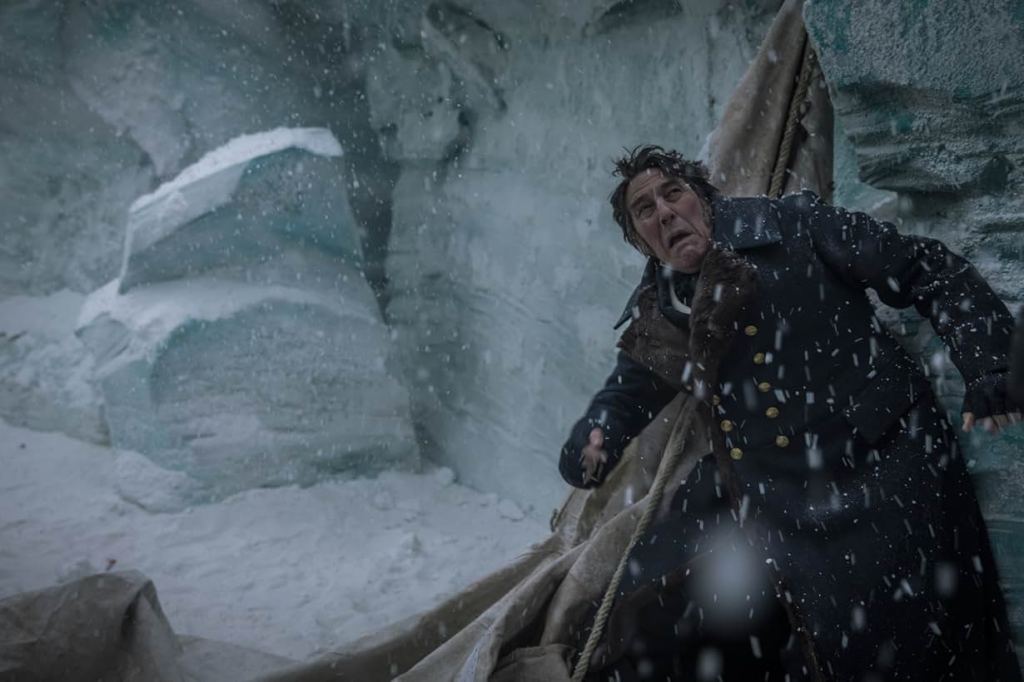
I love when the environment and setting of series acts as an additional character, add the foreboding and unrelenting desolation of the Northwest Passage and it remarkably becomes the most powerful antagonist of the show. The vastness and inhospitable terrain traps the crew and cuts them off from notion of help, making survival an impossible task. The choices are die slowly, starve or die quickly and horrifically. Nice. The visuals of the ocean’s jagged breaks of ice entombing both the HMS Erebus and HMS Terror respectively is terrifying, creating a living prison from a celebrated British ingenuity.
MORAL COLLAPSE
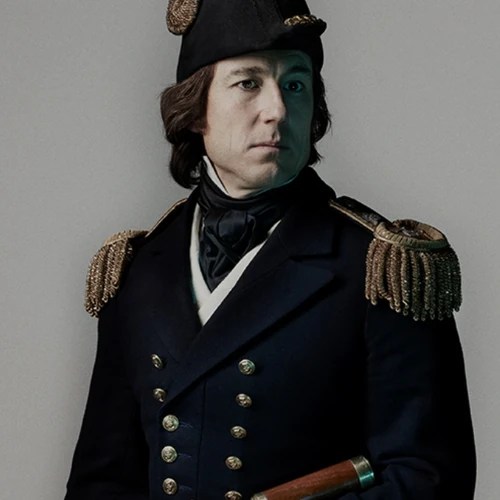
The stunning contrary forces of the story lie with Captain Francis Crozier (Jared Harris) and Sir John Franklin (Ciarán Hinds), each with a steadfast opinion and conflicting leadership styles leading to a showdown. Franklin embodies the boastful, imperial arrogance that British design and determination cannot and will not be defeated by any obstacle, especially something as “simple” as crossing the Arctic and his gross reluctance to heed warnings leads the crew to its doom. Crozier, on the other hand is experienced and level-headed. He understands the harsh reality of situation and advocates for preparedness and learning to adapt to their environment. Franklin sees this as weakness in Crozier and admitting defeat in the face of adversity. This clash causes the crew confusion as they’re forced to make moral choices in the face of starving, isolation and death.

COLONIAL ARROGANCE AND CULTURAL BLINDNESS
The tragic consequences of cultural dismissal and elitism looms large over the personal conflicts in the series. The expedition’s downfall is rooted in their refusal to acknowledge Inuit knowledge, a decision born from imperialistic pride. The character of Lady Silence offers insight into survival and the dangers of the Tuunbaq, and serves as a poignant symbol of this cultural clash. Ignored and mistrusted by the crew, she represents the wisdom and respect for nature that the explorers lack. Their dismissal of her guidance reflects a broader indictment of colonial attitudes, where indigenous voices are silenced to maintain a false sense of superiority. This cultural blindness not only dooms the expedition but also underscores the moral bankruptcy of their mission. By weaving these themes into its narrative, The Terror becomes a haunting commentary on the fatal consequences of arrogance and the cost of refusing to bridge cultural divides.
THE TUNNBAQ: A MANIFESTATION OF FEAR AND GUILT
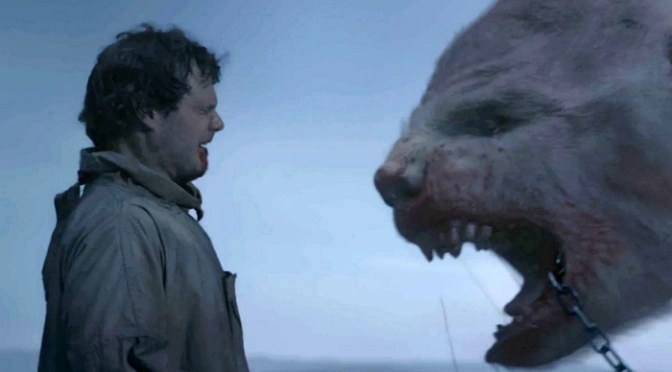
Drawn from Inuit mythology, the Tuunbaq adds another layer to the brutal natural environment, the personal squabbles and the odious ignorance. But the Tuunbaq is more than just a predator, it’s a spiritual representation of the crew’s inner turmoil and fall from morality. It stalks the men, embodying the vengeance of the Arctic and showing the dire consequences for their disregard for the Inuit customs and warnings, a manifestation of the collective fear, guilt, desperation and arrogance that has sealed their fate. It relentlessly stalks the men, embodying the vengeance of the Arctic for their hubris and the consequences of their disregard for Inuit customs and warnings. Unlike typical creatures of horror, the Tuunbaq is both terrifyingly real and symbolically rich, serving as a manifestation of the crew’s collective fears, guilt, and the cultural arrogance that has sealed their doom.


THE HORROR OF THE MIND UNRAVELING
The Tuunbaq might be the monster in The Terror, but the real horrors come from the crew themselves. Isolation, starvation, and the brutal cold wear them down, pushing their bodies and minds to the edge. Paranoia sets in, trust crumbles, and desperation turns them against each other. Once-solid hierarchies fall apart, and the thin layer of civility gives way to chaos and savagery. Hallucinations, violence, and fractured loyalties become just as dangerous as the Arctic and the Tuunbaq. The show brilliantly blends the crew’s psychological collapse with supernatural terror, showing that the real enemy isn’t just the icy wilderness or a mythical beast—it’s their own unraveling humanity. This mix of inner and outer threats makes The Terror a gripping look at how fragile people can be when faced with nature, the supernatural, and their darkest selves.
The Terror is an intense mix of history, supernatural scares, and psychological drama that dives deep into human ambition and fragility. Set in the frozen Arctic, it tells the doomed story of the Franklin Expedition, where brutal cold, a monster called the Tuunbaq, and the crew’s mental breakdown create nonstop tension. At its heart, the show looks at leadership and morality through the clash between Captain Crozier and Sir John Franklin, while also taking a hard look at colonial arrogance as the crew ignores valuable Inuit knowledge. Lady Silence adds a powerful layer to the story, bridging cultures and highlighting the cost of pride and isolation. If you’re into historical horror with a lot of depth and a touch of the psychological, The Terror Season 1 is streaming now on AMC+ and Hulu.



 NightTide Magazine
Leave a comment