By Thrash 120
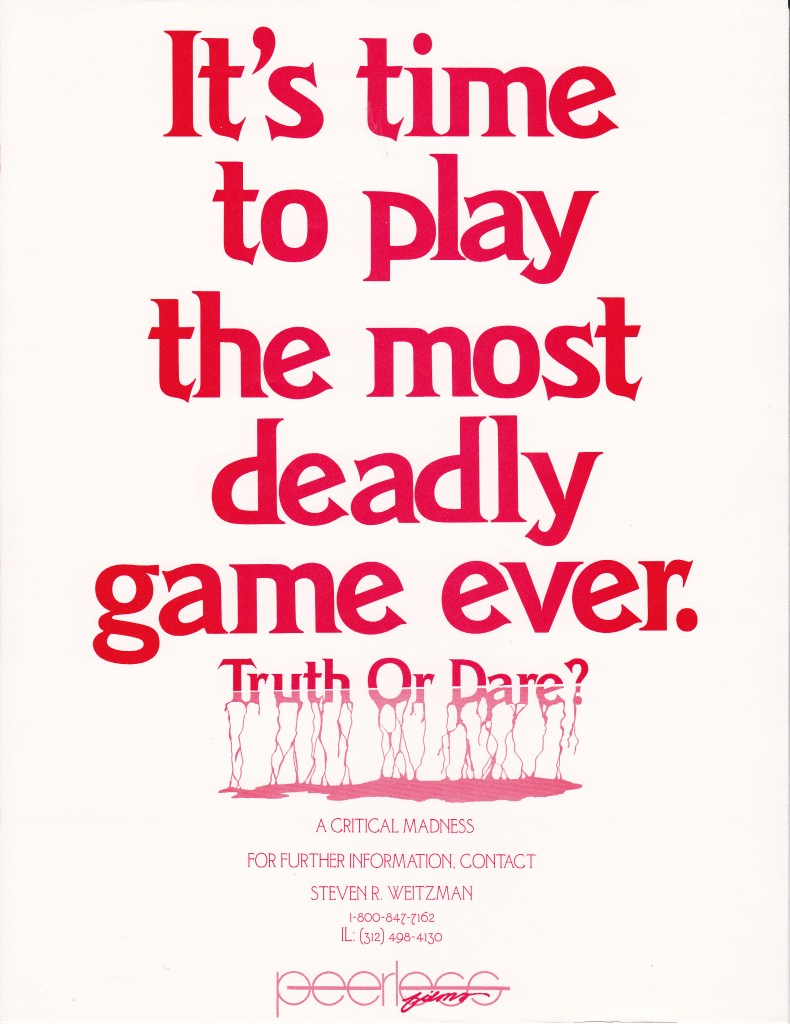
If you were to ask a casual film fan to name their favorite slasher movie, you’d likely hear titles like Scream or A Nightmare on Elm Street. Ask a dedicated horror fan, and you might hear praise for lesser-known gems like The Burning or Madman. But ask a video store clerk, and you’ll uncover the truly underground gems—films that influenced your favorite filmmakers and creators. These are the movies that lined the shelves, begging to be rented. Films like 555, Sledgehammer, and, my personal favorite (and the subject of this article), Truth or Dare?.
A brainchild of Tim Ritter, Truth or Dare? (also known as Truth or Dare?: A Critical Madness) began in 1985 as a short film in an anthology called Twisted Illusions. At the time, Tim was still in high school, but he had already made Day of the Reaper (shot on Super 8mm film) the year prior. Along with his collaborator, Joel Wynkoop, Tim was inspired by Blood Cult, which had used a direct-to-video model for distribution. They took a unique approach to getting their films into video stores, driving across Florida— from Miami to Dayton—selling films directly to stores, and using “van guys” (who distributed used studio films and adult films) to expand their reach.
As Twisted Illusions and Day of the Reaper gained popularity, it became clear that the Truth or Dare? segment, featuring Joel Wynkoop as Mike Strauber, was a fan favorite. The short tells the story of a man, driven to madness by his wife leaving him, who picks up a hitchhiker and goes camping. There, an unhinged game of Truth or Dare leads to Mike dismembering himself, only for the camera to reveal he was alone the entire time.
This success led Tim to quickly develop the short into a feature-length film. Initially, he planned to shoot on Beta SP with a tiny budget, keeping Joel as Mike. However, Tim’s persistence caught the attention of VSI and Goldfarb Distributions, both using the “van guy” model. Tim flew to Chicago, pitched the film in person, and secured a deal with these companies, leading to the formation of Peerless Entertainment. The film was upgraded to be shot on 16mm with a $300,000 budget, and Tim, still just 17 years old, was now in the driver’s seat of a full-fledged production.
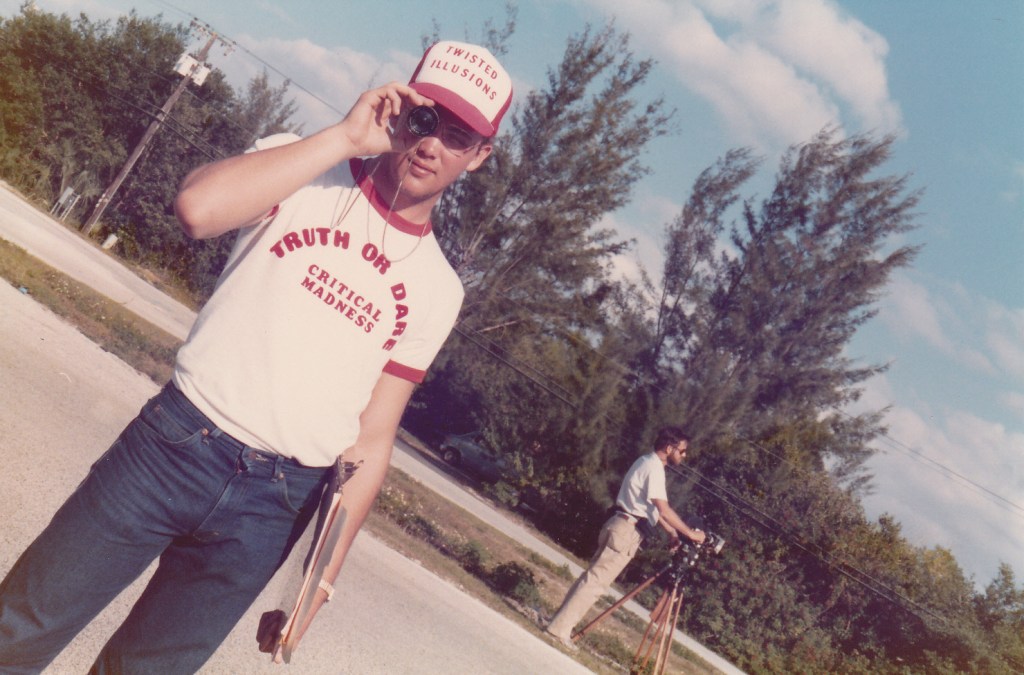
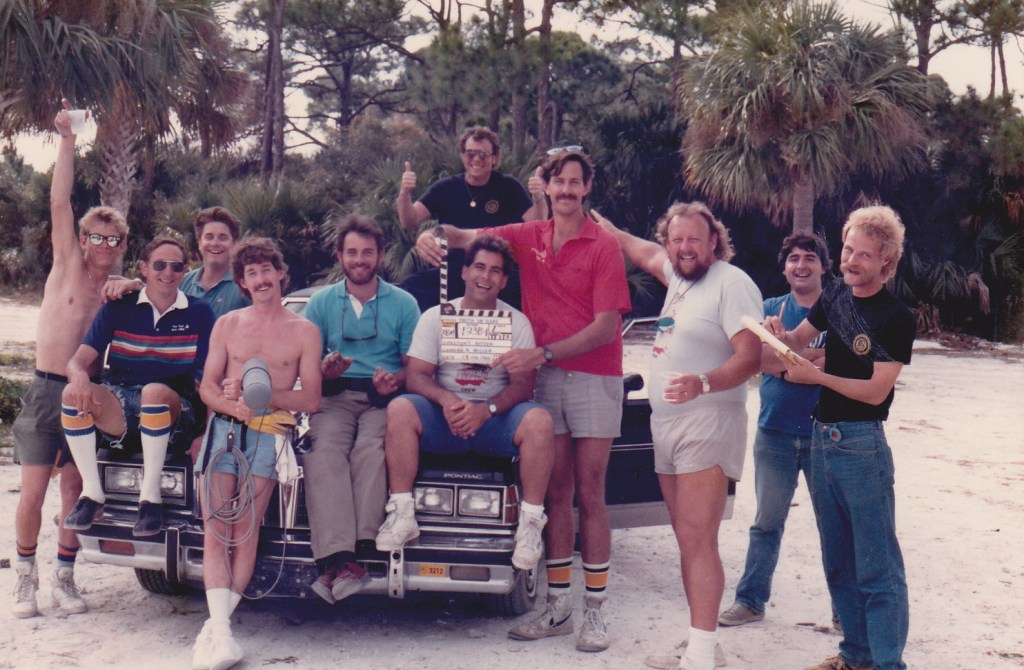
But production quickly became chaotic. Mike’s role was recast with John Brace, a semi-professional stage actor, while Joel Wynkoop stayed on in a smaller role, contributing to stunts and props. The original effects artist had a mental breakdown, leading to the creation of a “plaster and foam latex volcano” in his hotel room, and he was replaced by Stephen Prouty at the last moment. The film was shot on an incredibly tight 12-day schedule, which led to further complications. Tensions rose between Tim’s Florida crew and the producers’ Chicago team, especially when it was revealed that Tim was only 18 years old at the time of filming. Disagreements over graphic scenes and missed shots further soured the production, with assistant director Yale Winston trying to take over directing credit. The distributors even tried to remove Tim’s writing credits, leading to a court battle. Despite all this, Tim had no choice but to leave the finished product in the distributors’ hands, hoping the film would still see the light of day.
After shooting wrapped, the film was edited in Chicago, and its grainy quality was due to the use of ¾ inch tape, not video as some people claim. Tim had no input in the editing process; that task was handled by Jack Behrend, whose only credited film is this one. The film was released in June 1986, and despite all the production drama, it proved to be a success. The distributors invested $200,000 in marketing, and Truth or Dare? was released internationally in Japan, Spain, Germany, and Italy, grossing over $1.5 million in its first year. In the U.S., 30,000 VHS copies were sold.
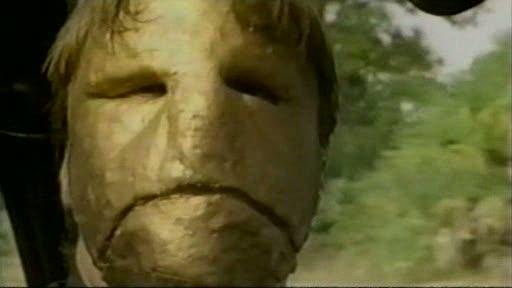
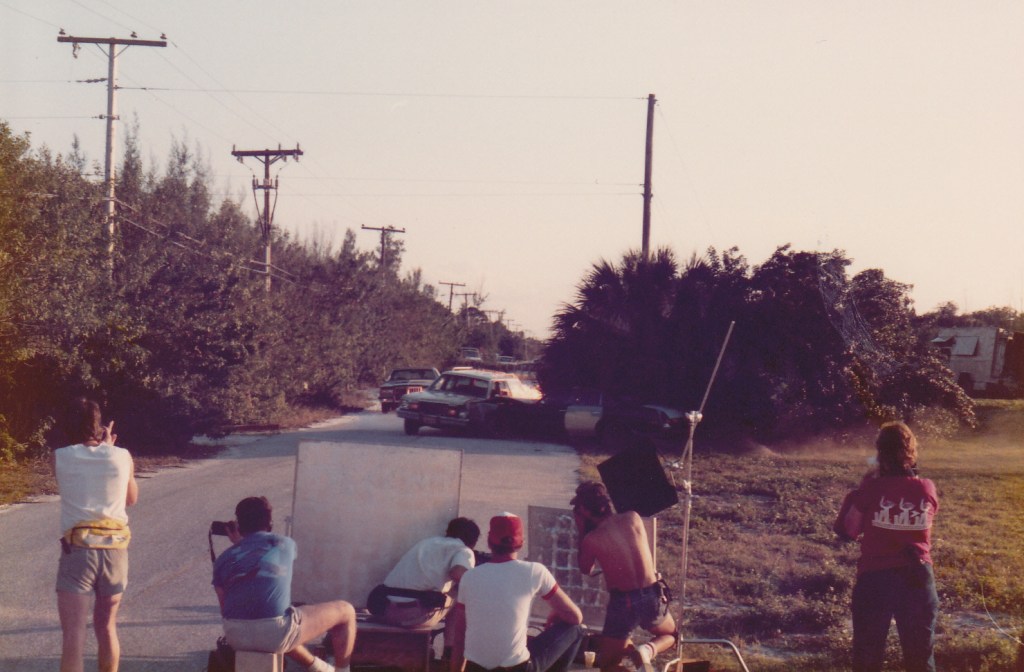

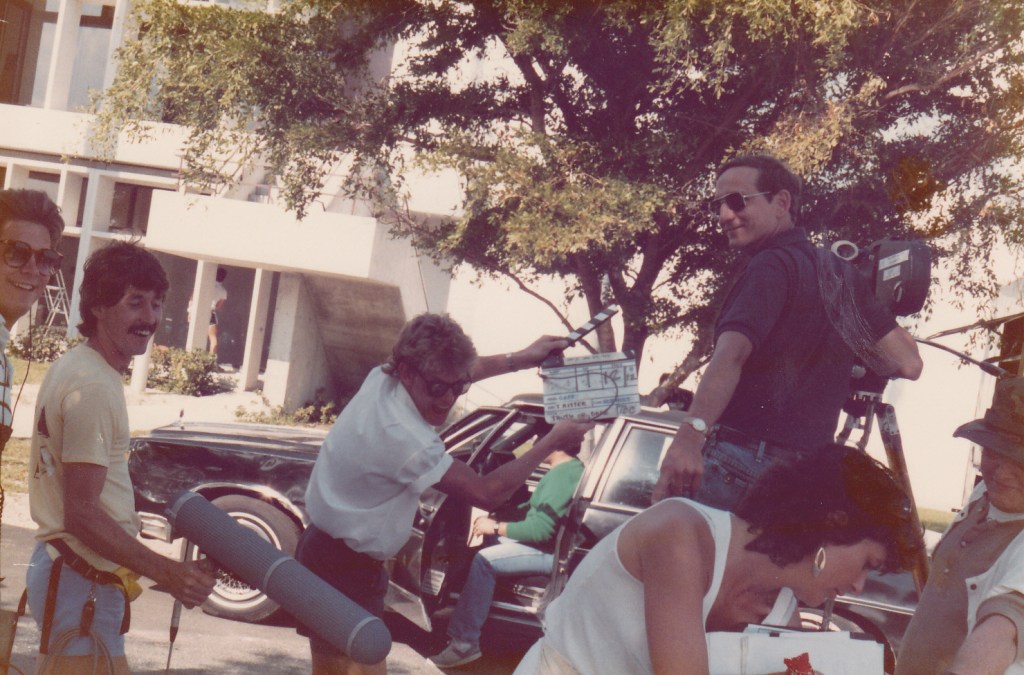
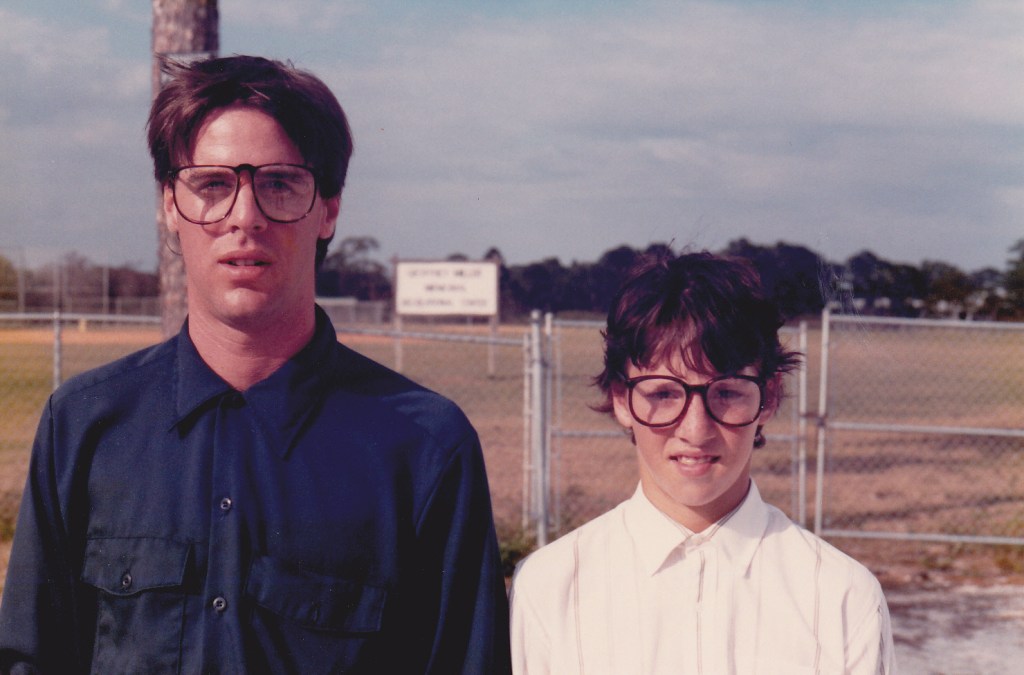
Behind the scenes shots of Truth or Dare: A Critical Madness (1986) courtesy of Tim Ritter. Check out the incredible Copper Mask and Mike Strauber, played by Jack Brace, and young Mike Strauber, notably played by a young A.J. McLean of Backstreet Boys Fame.
The film begins similarly to the short, with Mike coming home early to find his wife in bed with another man. A flashback reveals she’s been trying to break up with him, but he refuses to listen. This leads to the infamous Truth or Dare scene, where Mike mutilates himself in a fit of madness. After a hospital stay, Mike is released from Sunnyville Mental Institution after 13 months. His behavior is increasingly erratic, and after calling his ex-wife, he snaps and heads to her house to kill her. Along the way, he murders her new lover off-screen and is thwarted by her attempt to stab him with a kitchen knife. The cycle repeats as Mike returns to Sunnyville, where the line between fantasy and reality begins to blur.
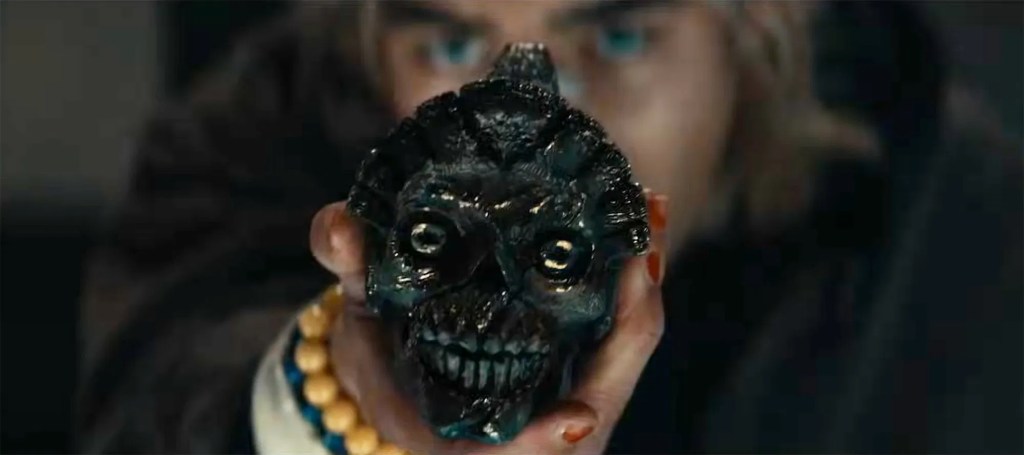
In a standout moment, Mike plays another game of Truth or Dare in his padded cell, this time with two imaginary opponents. One of these, Asbestos Felt (a character from Killing Spree), sticks a grenade in his mouth. A strange fantasy-like sequence follows, and Mike’s descent into madness is portrayed in unsettling ways. The guards, including Joel Wynkoop, hear Mike thrashing in his cell and, in a pivotal moment, Mike escapes wearing a copper mask. This marks the film’s transition into full slasher mode, with the remaining half-hour of the film becoming a brutal and chaotic spree of killings.
I won’t spoil the rest of the plot here, as Truth or Dare? is a film that’s best experienced firsthand. But its tumultuous production history only adds to its allure. Tim’s vision might not have been fully realized, but the film became something far stranger and more captivating than expected. The missing scenes, like Mike’s tongue and finger being sewn back on, and the overall disjointedness of the film, leave the viewer unsure of what is real and what is imagined—much like Mike himself.
The film’s legacy endures, influencing filmmakers like Elijah Wood, who called it out on live television, and directors such as Susana Kapostasy and Bobby Canipe Jr. Truth or Dare? has earned its place as a cult classic. Unfortunately, no one really made money off the film. Despite Tim being promised 10% of the profits, the distributors went bankrupt, and Tim ended up with the sole rights. He now shares them with Sub Rosa. The film also has shot-on-video sequels, which are equally entertaining in their own right.
It’s remarkable how something with such a chaotic production history could become such a beloved and influential work of art. Despite all the struggles, Truth or Dare? stands on its own as an unconventional slasher that defies expectations. And while Tim Ritter may not view it this way, the film’s troubled journey only enhances its uniqueness and legacy. If you fight hard enough to get your project made, sometimes it turns out to be something more extraordinary than you could have imagined.

 NightTide Magazine
Leave a comment