
By Mo Moshaty
The fantasy of escape is super seductive. A chance to trade the 9-5 grind for jungle waterfalls, cobblestone streets or sun-bleached islands, is an intense pull. The horror genre knows this and feeds off of it.

In ‘The Stranger-in-a-Strange-Land’ subgenre, travel isn’t an invitation to heal, it’s a portal to punishment. The horror doesn’t wait for the tourists to unpack their trauma, their clothes, etc., it’s already on the itinerary.
From The Green Inferno to The Ritual, horror can flip the vacation narrative on its head using trauma, culture shock, displacement, xenophobia, outsider arrogance and disillusionment as tools for terror. In these films, jet lag isn’t the main problem, it’s being perceived as the interloper, the invader, the ignorant wanderer who won’t make it home.
At the heart of these films is the dread of disconnection. You don’t know the rules. You can’t read the signs, your phone is dead, your map is wrong, GPS is shit and the only people nearby are watching… silently.
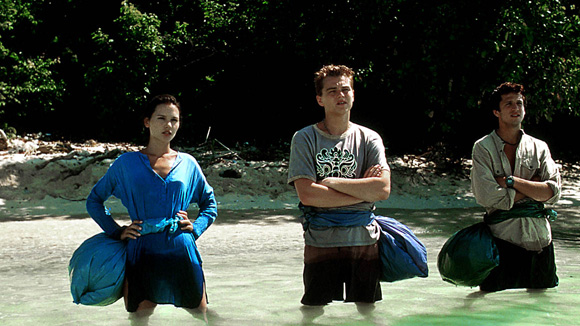
In The Beach (2000) paradise devolves into paranoia as the dream of community becomes a cult of survival. The story explores the psychological rupture of becoming both physically and emotionally stranded in a foreign land. Similarly, in The Ruins (2008), a group of backpackers stumble into an archaeological death trap where cultural ignorance literally takes root. These films tap into something primal: the fear of being out of place, and the fear of not knowing what you don’t know until you don’t know it.
This trope isolates characters in every sense of the word, stripping away their linguistic fluency, legal protection, and societal norms. The unfamiliar isn’t just eerie, it’s lethal.
This speaks to a broader pattern in destination horror: the unspoken expectation that the world will bend to the traveler. For many, stepping on to foreign soil still carries the unconscious assumption that the rules from back home still apply. That laws, language, and social cues are universal, or at least should be. When they’re not, horror digs its nails in. These films underline that being a guest somewhere doesn’t guarantee safety, and failing to respect cultural boundaries often carries consequences, and mostly fatal ones.

Many of these stories function as harsh morality fables. The affluent traveler, the entitled backpacker, or the well-meaning interloper walks into someone else’s world, assuming safety is universal. And we all know in the horror genre, it DON’T be like that sometimes. The Green Inferno (2013) satirizes performative activism, sending privileged students on a mission to “save” an indigenous tribe, only to find themselves consumed, figuratively and literally, by the very culture they sought to commodify. Turistas (2006) critiques medical tourism and the expendability of outsider bodies, casting American tourists as disposable in the eyes of the black market organ trade.
In both, the terror comes not just from the acts committed but from the characters’ inability to see the locals as more than just set dressing for their own experiences. Their punishment is brutal but pointed.
This framing repositions the source of horror away from foreign customs and towards the traveler’s own limitations. The terror isn’t born from what the locals believe or practice, it’s from the protagonist’s failure or refusal to engage with those beliefs on equal footing and respect. In these type of narratives, ignorance isn’t just dangerous, it’s damning. The inability to empathize, to adapt, or to even observe without judgment becomes the true antagonist. The horror then, is not just in the culture itself, but in the travelers insistence on treating it as a hostile, primitive, and inconvenient environment.
Stranger-in-a-Strange-Land horror frequently plays with cultural paranoia, but not always in responsible ways. Films like Hostel and Cannibal Holocaust dip into exploitative territory like whoa, presenting foreign lands as inherently barbaric or backwards. These portrayals require critical viewing: are they cautionary tales or xenophobic fantasies?

Other films engage less flagrant yet still keep the gore (heel and eye trauma lovers unite!). The Shrine (2010) presents a language barrier as a mechanism of terror. A trio of journalists infiltrate a remote Polish village and find themselves unable to understand rituals that are actually protective, not evil. In a similar vein, The Ritual (2017) examines grief, masculinity, and spiritual displacement within a Norse folklore framework. The foreignness isn’t villainous, it’s simply not meant for them. These films suggest that horror is not in the culture itself, but in the traveler’s refusal to understand it.
And that misunderstanding is a revealing unraveling. It’s a cinematic stripping down that exposes the fragile scaffolding of personal identity without the comforts of custom or the familiar rhythms of our “normal” daily life. Travelers in these films are forced to confront the raw, unfiltered self. Horror doesn’t just isolate; it peels the layers back. The mask of the tourist, the (in most times, white) savior, and the adventurer falls away, and what’s left isn’t always noble. In these particular movie moments, destination horror becomes less about who you are and more about what’s already inside of you, festering, unresolved, and now inescapably exposed.
At their best, these films don’t demonize the locals, they interrogate the tourists. Characters arrive carrying assumptions, unresolved trauma or colonial baggage, and those internal dynamics often do more harm than the landscape itself. The vacation doesn’t erase identity nor what you have brought along with you that you should have left at the office, at your house, or in another place and time. If anything, the vacation sharpens the trauma. Heading back to The Ritual, the central characters are hunted not just by a God-like creature, but by the guilt they brought with them into the woods. The trip isn’t about healing because it doesn’t heal them at all, it only reveals their fault lines.
The Stranger-in-a-Strange-Land trope thrives on discomfort: cultural, emotional, and existential. It asks us who we are when we’re stripped of context, language, or power. It dares us to consider what we owe the places we enter, and what happens when we don’t pay the toll.
So before you book that off-grid retreat or remote spiritual cleanse, take a rewatch of The Beach or Midsommar or The Green Inferno.
And remember, not every flight is round trip.




 NightTide Magazine
Leave a comment