By Mo Moshaty
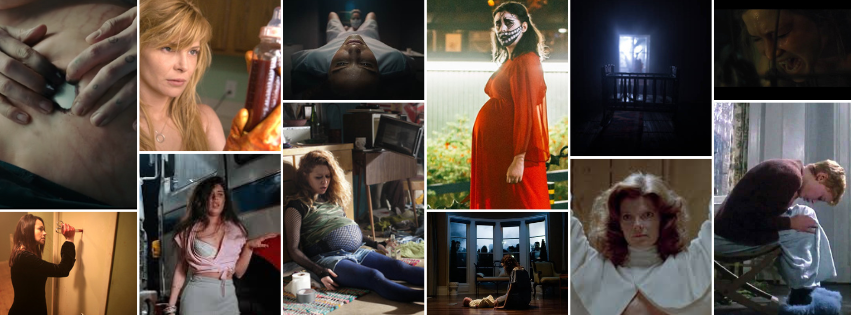
Motherhood has been wrapped in the gauze of sentimentality; glowing women, precious bundles, and miracle births. But beneath the pastel surface lies a more feral reality: blood, pain, loss, and the haunting weight of expectation. Horror, unafraid to integrate the body, rips off the hospital bracelet and shows us motherhood, raw: sometimes sacred, often sacrificial and occasionally utterly monstrous. These 12 films don’t just depict pregnancy or parenting, they weaponize it, interrogate it, and contort it into terrifying new forms. The result is a bloody, brilliant rejection of “the ideal mother” and a portrait of motherhood in all its haunted complexity.
#12: Rosemary’s Baby (1968)
Where better to begin than with the horror blueprint that made maternity a conspiracy?
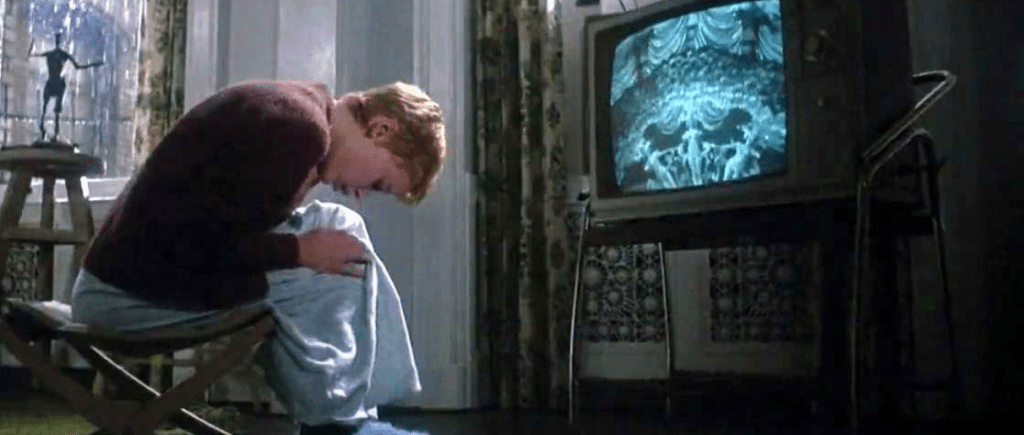
The gold standard for gestational dread, Rosemary’s Baby is a razor-sharp allegory of patriarchal control masquerading as a prestige thriller. Rosemary’s body becomes public property, her womb of vessel for an apocalyptic agenda. The horror here lies an absolute betrayal by her husband, by neighbors, by doctors, and even her own maternal instincts. And as the camera closes in on Mia Farrow’s sunken face, we see a woman whose agency has been eroded piece by piece. Its’ horrorific because it’s pregnancy without consent. A masterpiece of whispered gaslighting, cultish complicity and how reproductive power is stolen, rather than surrendered.
*Also quite interesting coming from the director that it comes from. (Bombastic side-eye)
#11: Still/Born (2017)
From conspiracies to postnatal collapse, Still/Born dials in on grief and maternal failure.
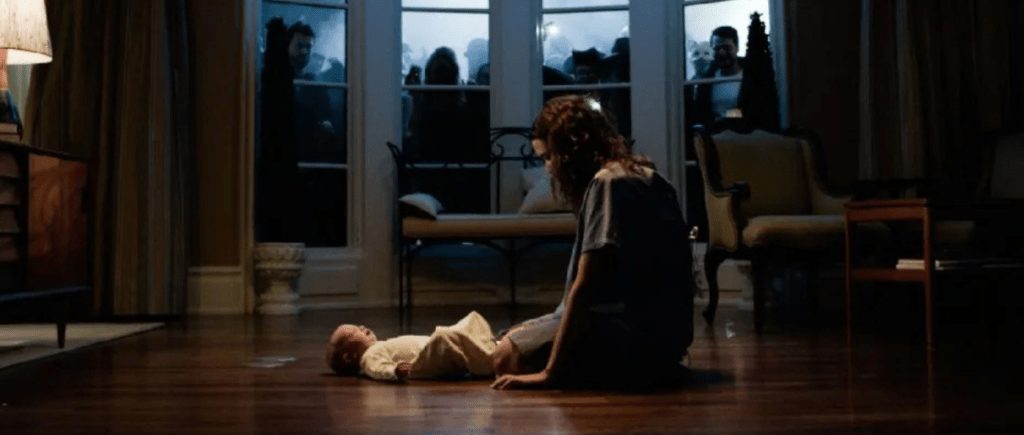
After losing one of her twins in childbirth, Mary begins to suspect malevolent force wants to claim the remaining baby. Still/Born cleverly blurs the line between postpartum psychosis and supernatural invasion. With tight pacing and strong psychological tension, the film explores how loss, isolation, and sleep deprivation erode the mind. It critiques the unrealistic expectations pushed on new mothers to cope, to smile, to bond immediately. When Mary begins to unravel, it’s hard to tell if the demon is real or a manifestation of guilt and grief. It haunts and slaps either way.
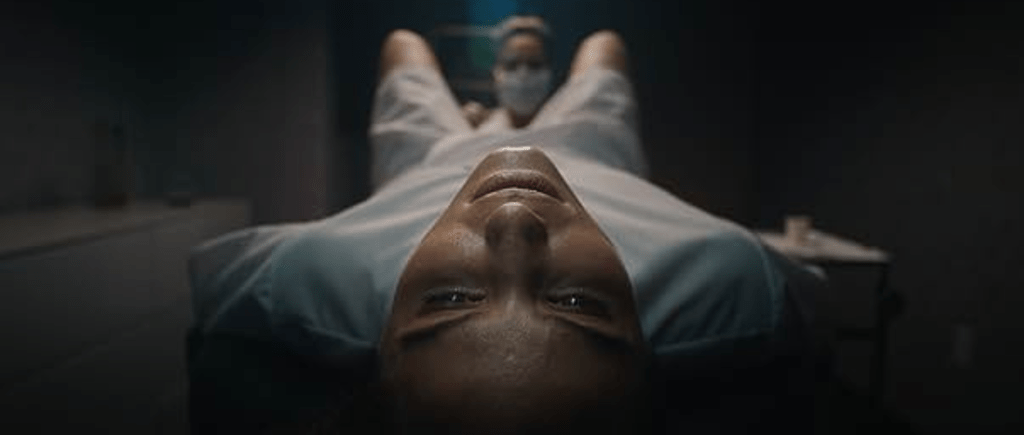
#10: Clock (2023)
From supernatural grief to clinical control, Clock reminds us that horror thrives in forced conformity.
Diana Argon plays Ella, a woman who submits to a medical experiment to correct her supposed broken maternal instinct. What unfolds is a slow spiral into surreal terror, where fertility becomes a site of surveillance and the pressure to procreate morphs into psychological disintegration. Clock critiques the institutional enforcement of motherhood, the fetishization of the biological clock, and the erasure of choice with surgical lighting and cold clinical dread. It suggests that horror doesn’t come from what grows inside you, but from what society insists should.
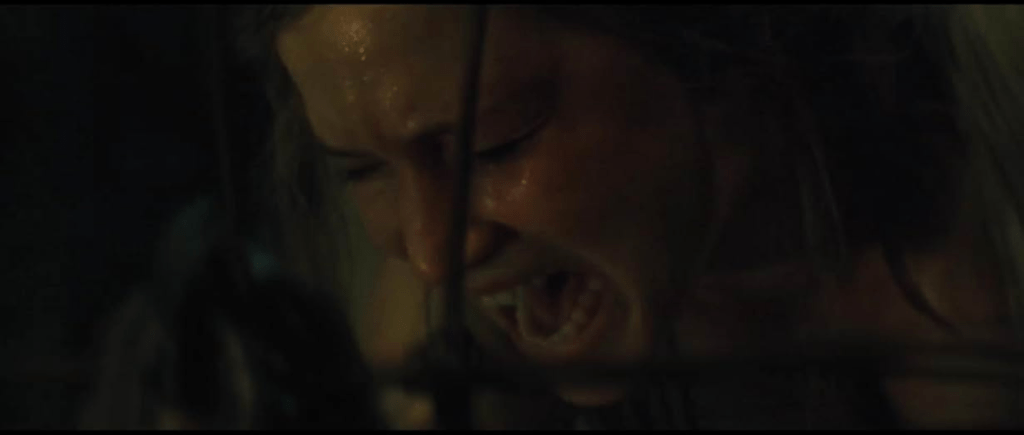
#9: Mother! (2017)
But if you want a film with allegorical teeth, Mother! gives you an apocalypse in a bassinet…if we even get that far.
Jennifer Lawrence plays a woman whose home, body, and sanity are consumed by her poet husband’s ego. Her baby becomes both miracle and martyr, and her final act of surrender is apocalyptic; a biblical fever dream that doubles as an ecological parable and misogynist metaphor. Mother! turns maternal identity into cosmic tragedy. Darren Aronofsky uses the trope of the indispensable wife to dissect how egotistical men exploit sacred bonds; sacrificing intimacy, life, and even motherhood itself to feed their own creative and emotional appetites. It’s divisive, explosive, and unforgettable.
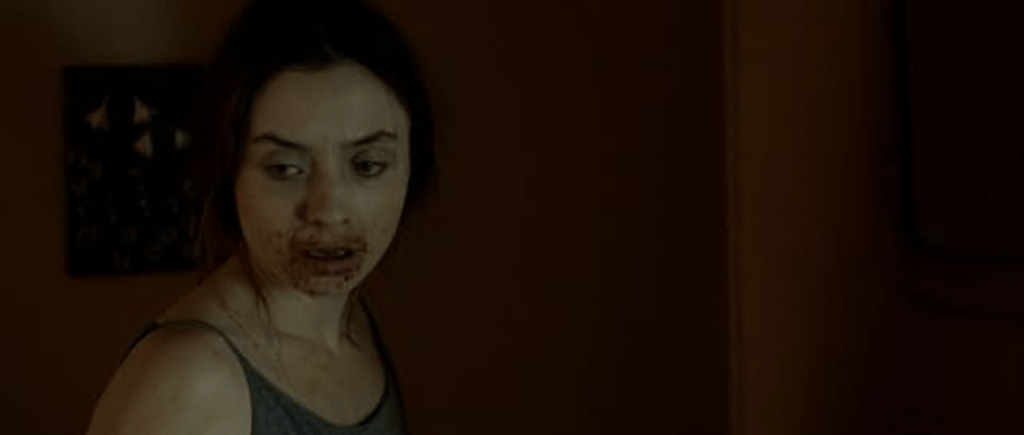
#8: Shelley (2016)
From cosmic tragedy to quiet dread, Shelley is horror whispered through locked doors and class divides.
A Romanian woman is hired as a surrogate in a remote Danish home, and as her pregnancy progresses, so does the dread. Shelley draws power from its restraint, allowing horror to build slowly through silence, isolation and bodily unease. Motherhood here is not joy, but transaction, where the poor become wombs-for-rent and the wealthy extract what they want. It’s The Servant meets Rosemary’s Baby in a rustic horror story about power, ownership, and the pain of being turned into a vessel.
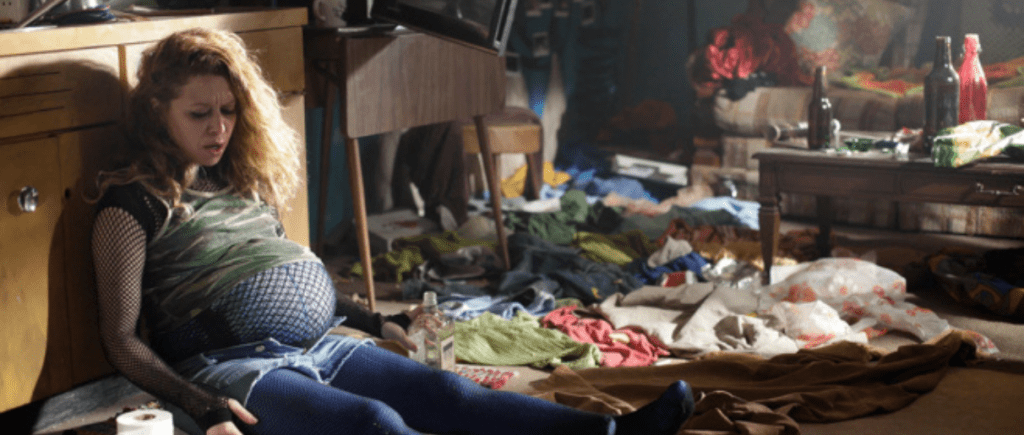
#7: Antibirth (2016)
From wombs-for-hire to chaotic punk vomit, Antibirth is the hangover pregnancy from hell.
Natasha Lyonne stars as a stoner whose hangover reveals something gestating…and horrifying. But this is no ordinary pregnancy. Instead, we spiral into conspiracy, military horror and weaponized wombs. Antibirth critiques capitalist and patriarchal exploration of female bodies through surreal visuals and grimy nihilism. Beneath the slime lies an interesting question: What if your uterus wasn’t yours anymore? Bonus points for its hallucinogenic birthing sequence that somehow feels a bit too real.
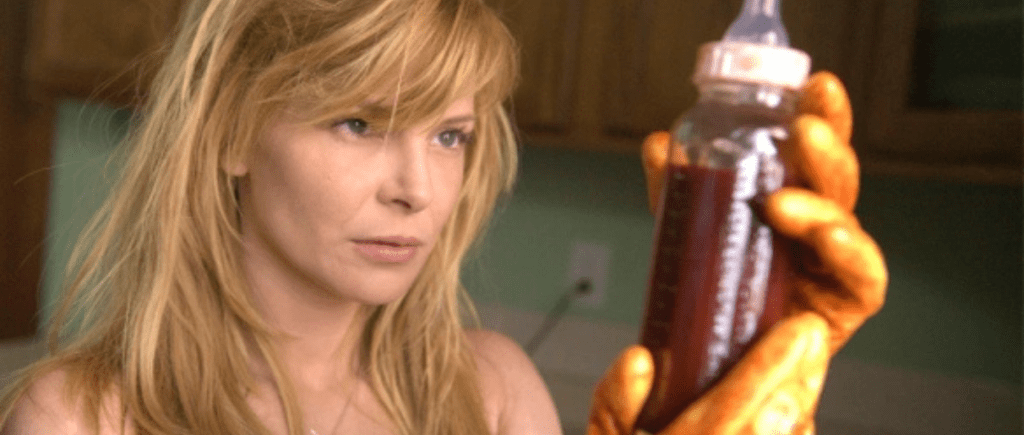
#6: Grace (2009)
Where Antibirth is loud, Grace is a tale of grief that curdles into vampiric obsession.
Madeline insists on carrying her stillborn baby to term, and it’s born alive. But something is very, very wrong. This newborn needs blood. Grace explores postpartum madness with eerie calm, letting the maternal bond fester into full blown horror. Is it supernatural? Is it psychological and does it matter? The terror lies and how far a mother will go even if her baby isn’t really alive in any natural sense. Grief becomes hunger. The womb? A crypt. The nursery? A slaughterhouse.
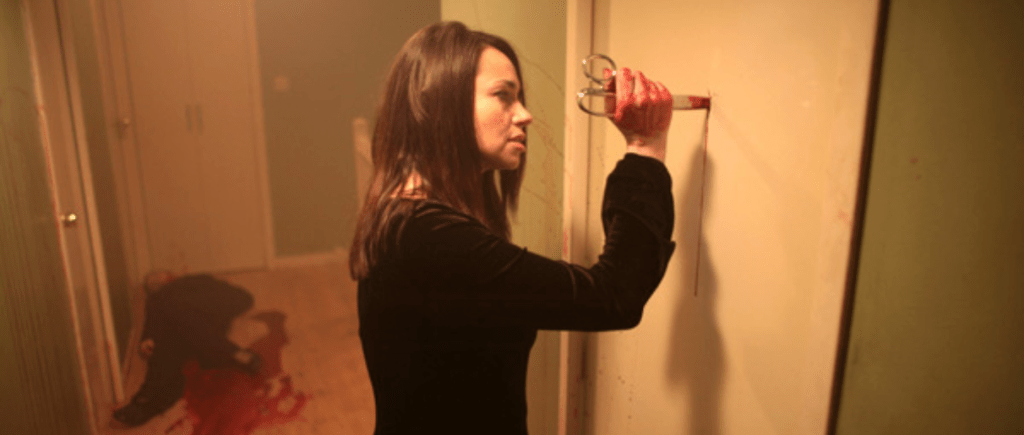
#5: Inside (À l’intérieur 2007)
If Grace simmers, Inside explodes into pregnancy horror with surgical precision and arterial spray.
A pregnant widow was stalked by a woman who wants her unborn baby by any means necessary. The home becomes a site of war and the female body is the final frontier. Inside is primal, ferocious and deeply upsetting. But it’s also a devastating commentary on motherhood as intrusion. Two women, one womb and zero room for error or compromise. This is maternity turned slasher, and it pulls absolutely no punches.
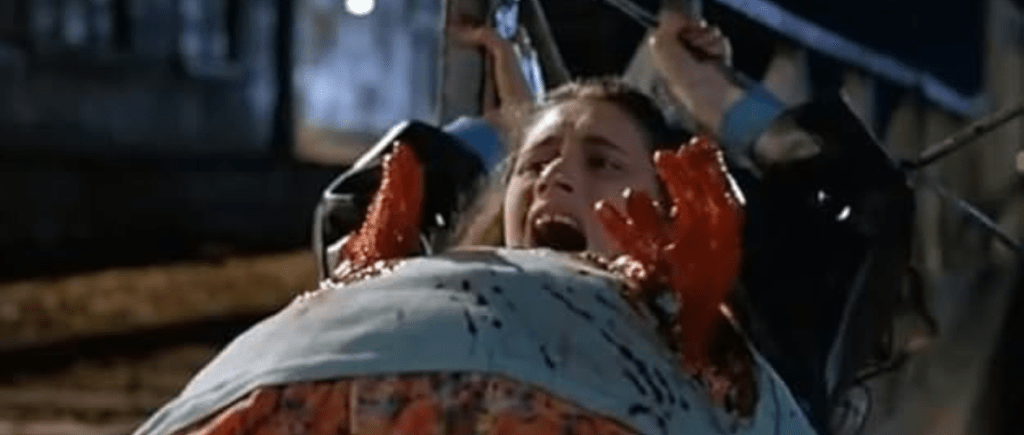
#4: Baby Blood (1990)
From precision to absurdity, Baby Blood is French splatter horror with a parasitic twist.
A woman becomes the host for an ancient creature who demands blood as it continues to grow inside her. The result is grotesque, bizarre and darkly comic. Pregnancy is no longer miraculous, it’s hilarious, monstrous, alien and uncontrollable. Baby Blood mocks idea of the glowing, joyful mother and delivers something far slimier. A creature feature where the creature lives in your uterus and demands some pretty sinister stuff? What a shitty birth plan.
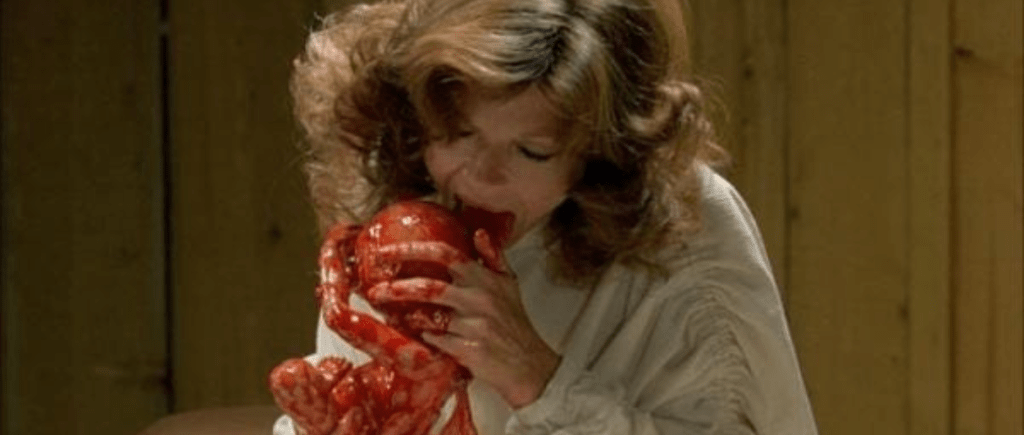
#3: The Brood (1979)
If Baby Blood was primal, The Brood is pathological: Rage therapy gone reproductive.
A woman undergoing experimental therapy gives birth to children of her Id: monstrous creatures who act out her deepest fury. David Cronenberg turns the psychological into the physical, rendering maternal rage as literal bloodshed. The film is a howl against repression, patriarchy, and the damage inflicted by “treatment.” It’s a messy, cerebral and deeply unsettling look at motherhood as emotional contagion and children as hate-made flesh.
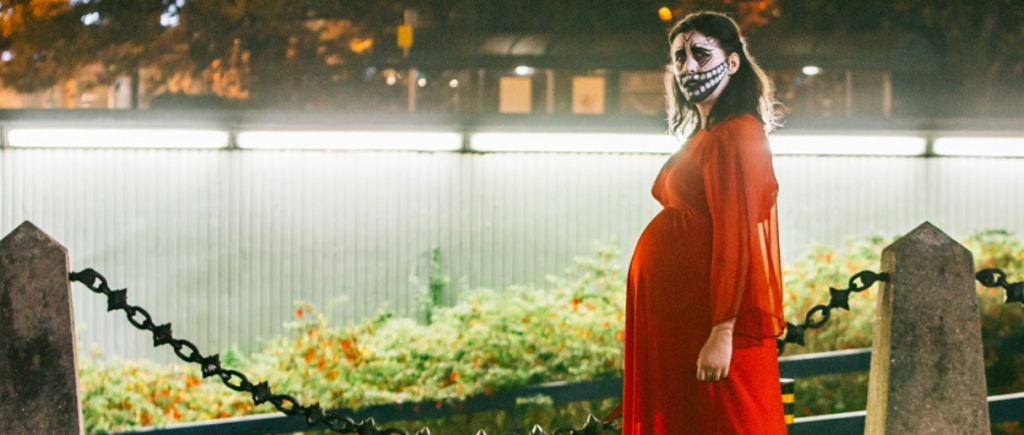
#2: Prevenge (2016)
From science fiction to pitch black comedy, Prevenge gives you the fetus as a hitman.
Ruth is pregnant and convinced her unborn child is telling her to kill. Written and filmed while Alice Lowe was pregnant (and very badass), the film’s brilliance lies in its sardonic commentary on grief, autonomy and society’s gaze on the “maternal”. But what elevates Prevenge beyond dark comedy horror, is Lowe’s unflinching commitment to grief. It’s a raw, quietly devastating portrait of loss and its descent into murder never eclipses her heartbreak; it amplifies it. Her pain is unflinching, tragic, and deeply human all at once. Prevenge rejects sentimentality and replaces it with wit, bloodstained maternity wear, and a cheeky miniature muderess.
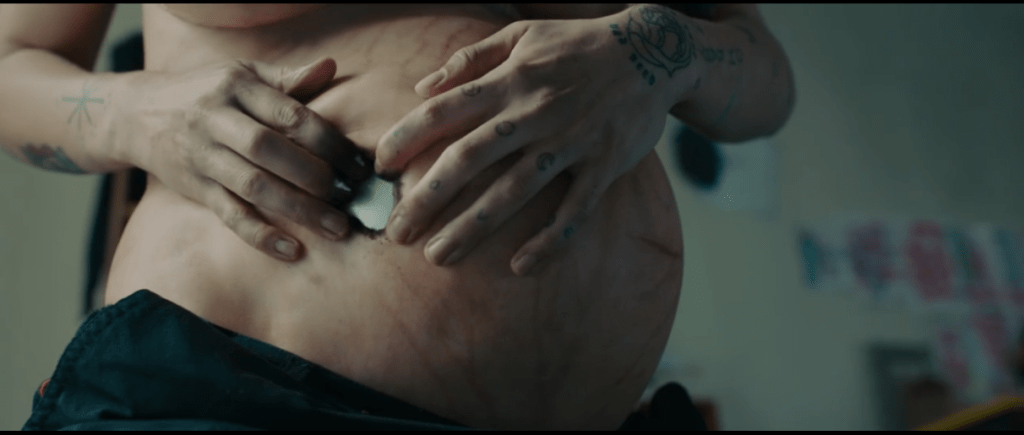
#1: Titane (2021)
This isn’t just a closer, it’s a coronation.
Julia Ducournau’s Palme d’Or-winning Titane smashes genre, gender and body into something unrecognizable and unforgettable. After a brutal killing spree, a woman on the run assumes the identity of a missing young man and hides a metallic, impossible pregnancy. What unfolds is a violent, tender tale of rebirth, in all forms, through horror. Titane doesn’t just explore motherhood, it obliterates its boundaries, fusing chrome with flesh and trauma with tenderness. It’s body horror and its found family, where care, protection, and creation can grow not from biology but from pain and performance.
Whether splattered in blood or buried beneath sterile dread, these films remind us that motherhood is never neutral in horror. It is sacred, surveilled, sacrificial and sometimes straight-up savage. They dare you to dismantle the myth of maternal purity, exposing the raw nerves beneath cultural expectations. These stories don’t offer comfort, they offer catharsis. Because in horror, the womb isn’t just a site of life, it’s a battleground, a curse, and a question mark.

 NightTide Magazine
Leave a comment