
By Mo Moshaty
In horror, resurrection is never clean. It drags dirt from the grave, grief from the lungs, and memory from the marrow. Every welcome back is whispered through clenched, bloody teeth.
We like to tell ourselves that resurrection stories are comforting, there’s just something about love conquering death or science being really clever that makes us believe. But horror has always known better. Resurrection isn’t closure, it’s rebellion. It’s three traumas in a trench coat pretending to be hope.
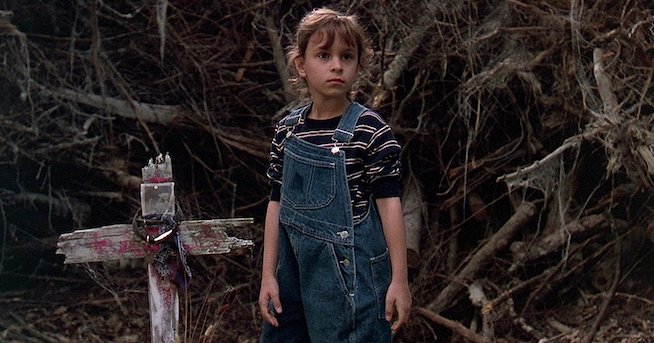
In Pet Semetary, Louis Creed isn’t performing a miracle. He’s refusing to accept a loss, rearranging the natural order because he can’t face the quiet. His House tells us that sometimes it’s not the dead who refuse to rest, but the living who won’t let go. And The Autopsy of Jane Doe shows how a woman’s violated body becomes the ultimate revenge letter as patriarchal sins are written in livid flesh.
‘Nothing is ever really dead,’ the genre whispers, ‘until we stopped telling its story.’
And horror, bless it, never shuts the fuck up.
The Body As Proof – Trauma in Flesh
Horror externalizes trauma the way a body forms a bruise: it brews from the inside out until we have to look at it
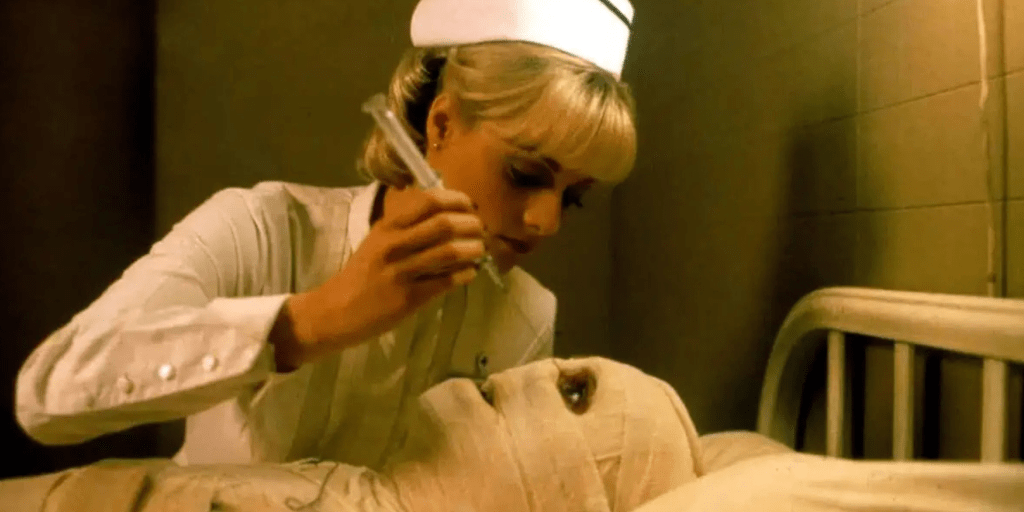
In The Autopsy of Jane Doe, the autopsy table is a confession booth. Every incision uncovers another trespass against the female body. Burned lungs, ritual markings, the casual cruelty of curiosity. The film doesn’t give us resurrection as a miracle; it gives the re-animation of resentment. Jane’s stillness becomes a sermon: ‘I remember everything you did to me, and now you will too.’
In Pet Semetary, love itself becomes necromancy. Louis’s grief returns in the shape of his son, except smaller, colder, and murderously unimpressed by bedtime. It’s Freud’s repetition, compulsion with a shovel. The impulse isn’t evil, it’s heartbreak trying to edit the ending.
If you’ve ever wondered what denial looks like when it stretches its legs, it’s probably wearing a lab coat. Resurrection stories are full of well-intentioned men playing God because they can’t bear being human.
And then there’s the gendered resurrection: women in horror rarely come back to embrace life. They come back to indict the world that killed them. The Ring’s Samara, Carrie, Jennifer’s Body, each returns as a haunting rather than a healing. The monster in these cases is grief denied its ritual; love denied its dignity. Kristeva called the corpse the ultimate abject, the reminder that we are made of things we’d rather not think about. And really, who among us hasn’t wanted to claw our way out of a bad situation (or a well) just to make a point?

Political and Colonial Hauntings – The Dead Systems
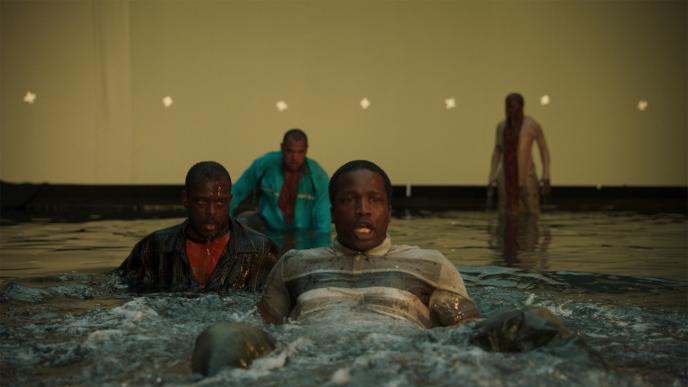
Resurrection isn’t only personal. Sometimes it’s bureaucratic. In His House, the ghosts aren’t angry ancestors, they’re paperwork with teeth. Every hallway in that council flat hums with the sound of borders reclosing. Bol and Rial carry the dead with them, not because they want to, but because Empire has a nasty habit of following its refugees home.
Dead and Buried (1981) takes a different route but arrives at the same cemetery. There, an entire town decides that resurrection is easier than change, its control dressed up as compassion. Everyone smiles, everyone’s back, but nobody’s alive. It’s the suburban nightmare of eternal comfort. The Stepfordization of death.
The ghost doesn’t return because it wants vengeance. It returns because no one listened to the first time. Horror, unlike polite society, is incapable of pretending the past is over. It keeps exhuming the evidence.
The Ethics of Return
Should anything ever come back?
Resurrection violates every rule of narrative hygiene. Closure gives us credits. Resurrection gives us sequels and therapy bills. Yet horror insists on reopening the wound. Maybe because healing without understanding is just scar tissue. The resurrected body is both miracle and misdemeanor. The resurrected memory is both survival and curse. Every time we resurrect something, an ex, a childhood trauma, a long cancelled franchise, we risk making it worse.
But perhaps that’s the point: resurrection refuses our fantasy of tidy endings. It’s messy and deeply inconvenient, like grief itself. Ethically, resurrection in horror always turns the mirror back on us. What are we really trying to revive? Love? Control? Ourselves the moment before everything went wrong? When the dead rise, they don’t bring comfort, they bring clarity.
Philosophically, resurrection is the genre’s rebellion against nihilism. It refuses to accept that death, be it literal, cultural or emotional, has the final word. Even in its grotesque returns horror insists on dialogue: we’re gonna freakin’ talk about this.
And maybe that’s what makes it holy in its own sick way.
The Living Keep Digging
The Autopsy of Jane Doe ends with a wink and a pulse – proof that even silence remembers. We closed the morgue door, but the lights flicker anyway. Horror won’t let us rest, because forgetting is the most violent act of all. Every resurrection story is really about the living, the stubborn, the one still digging through our emotional backyards. And we keep hoping that if we unearth our pain one more time, it’ll come back kinder, but it never does. But we keep digging because horror tells us that the act itself, the confrontation, the remembering, is sacred. The return may be gruesome, but it’s also acknowledgement. Its refusal to let suffering disappear into the soil. And in the end, resurrection isn’t horror’s tragedy, it’s its integrity.
And maybe that’s the truest resurrection of all – memory refusing extinction.

 NightTide Magazine
Leave a comment