By Mo Moshtaty
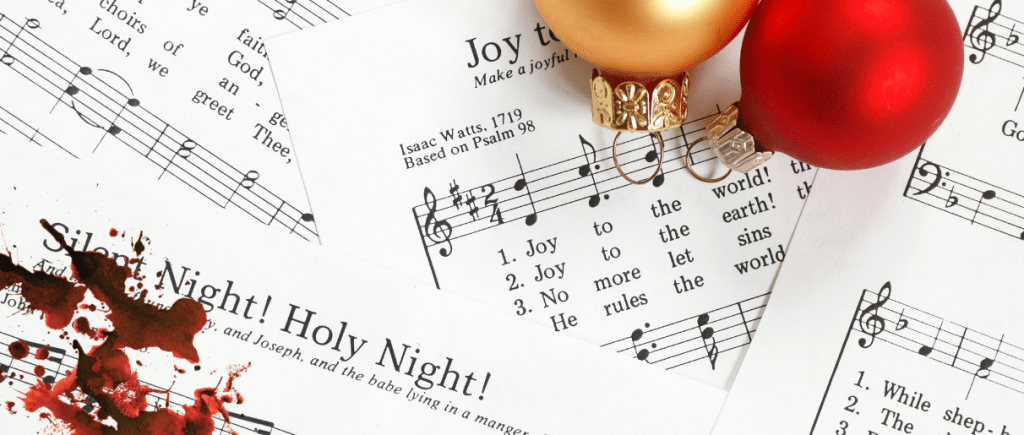
Christmas carols are often described as comforting, but comfort has never been their primary function. Historically, they are instructional. Bells toll rather than ring. Lyrics repeat until obedience feels natural. Faith, family, endurance, and forgiveness are rehearsed annually, whether or not anyone asked for it.
Horror cinema recognizes this structure immediately. It understands repetition as pressure, silence as discipline, and ritual as something that rarely ends well for the vulnerable. When placed in dialogue with horror films, Christmas carols stop sounding festive and start sounding procedural.
What follows is not a playlist, but a cultural examination of how familiar seasonal songs mirror the mechanics of horror itself. Grab yer cocoa, watch the lights twinkle…and don’t look out the window into the dark, you may have an unexpected guest.
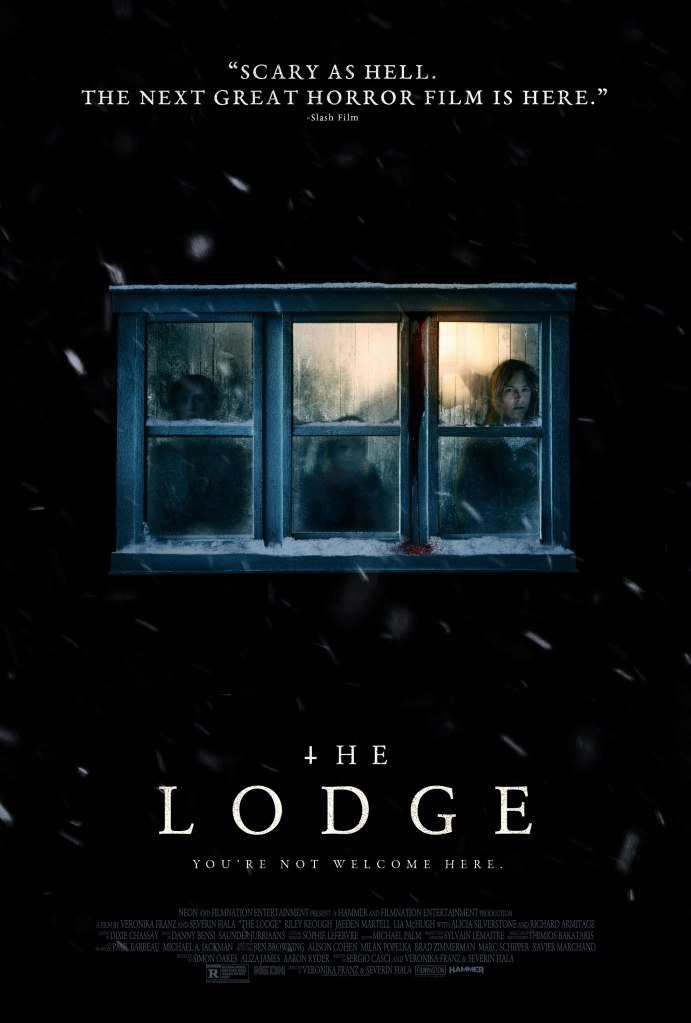
“Silent Night” — The Lodge (2019)
Written by Severin Fiala & Veronika Franz
Directed by Veronika Franz & Severin Fiala
“Silent night, holy night — all is calm, all is bright.”
The Lodge treats silence as a moral condition rather than a neutral state. Snow isolates the characters physically, but belief isolates them emotionally, sealing everyone inside systems they did not choose. Grace’s Catholic trauma collides with the children’s unresolved grief in a space that feels less like a home and more like a corrective environment: a place designed to discipline rather than nurture. And, frankly, their father abandoning them in this frozen moral laboratory with his new, much younger fiancée, a woman they’ve known for roughly ten minutes, does little to stabilize matters.
The film’s most destabilizing moment arrives quietly. Grace wakes to a powerless house, empty cupboards, and a radio calmly announcing the end of the world. No immediate threat appears. No explanation follows. The silence stretches on, doctrinal and absolute. Crucially, this scenario is engineered by the children, not out of inherent cruelty, but out of inherited trauma and a need to make suffering legible. To them, Grace is “weird.” She’s into “weird shit,” comes from “weird shit,” and their father’s attraction to that “weird shit” is, in their minds, directly tied to their mother’s suicide. Grace is not a caregiver; she is enemy number one.
Children in The Lodge are not symbols of innocence. They are cultural carriers. They replicate punishment because punishment is what they understand. They reenact harm because harm is the language they’ve been taught. “All is calm” becomes a demand rather than a description. Brightness and forced acceptance are assumed rather than felt. Silence, here, is not peace. It is abandonment with good posture.
“Silent night” promises safety through stillness. The Lodge exposes how silence often functions as neglect, particularly for children raised in rigid moral environments, and for children expected to put their grief on a shelf so that emotionally illiterate adults can pursue their own agendas. Calm is enforced. Quiet is moralized. What actually fills the house is fear, miscommunication, and a theology that mistakes the absence of noise for care.
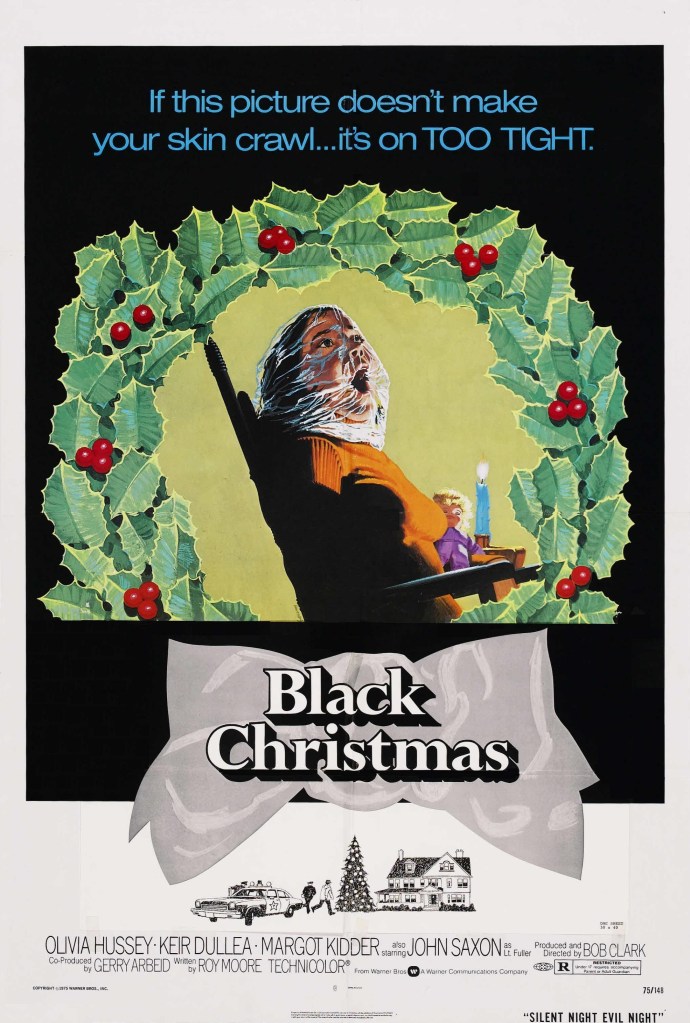
“Carol of the Bells” — Black Christmas (1974)
Written by Roy Moore
Directed by Bob Clark
“Hark how the bells, sweet silver bells, all seem to say…”
Black Christmas weaponizes repetition. Phone calls loop. Voices fracture. Warnings go unheeded. The film situates horror inside what is supposed to be the safest geometry imaginable (four walls and a door) and then demonstrates how easily that space absorbs intrusion while continuing to perform normalcy. The attic? No matter. There’s an entire world humming downstairs, carrying on as if nothing is wrong.
Clare’s murder in the attic, accompanied by obscene, childlike vocalizations, transforms sound itself into a threat. The killer’s voice slips between infantile and grotesque, collapsing any stable boundary between innocence and danger. Ever try letting a phone ring endlessly? It’s unbearable. Human nature insists on intervention. We want the sound to stop, so we answer…every time. The bells don’t announce celebration; they announce access. And by the time they ring, someone is already inside.
As horror culture, Black Christmas exposes how women’s fear is routinely treated as background noise. The ringing persists whether anyone responds or not. Concern is expressed, noted, and ignored. The carol’s insistence mirrors the film’s central terror: repetition not as escalation, but as inevitability. The danger doesn’t need to get louder. It just needs to keep going.
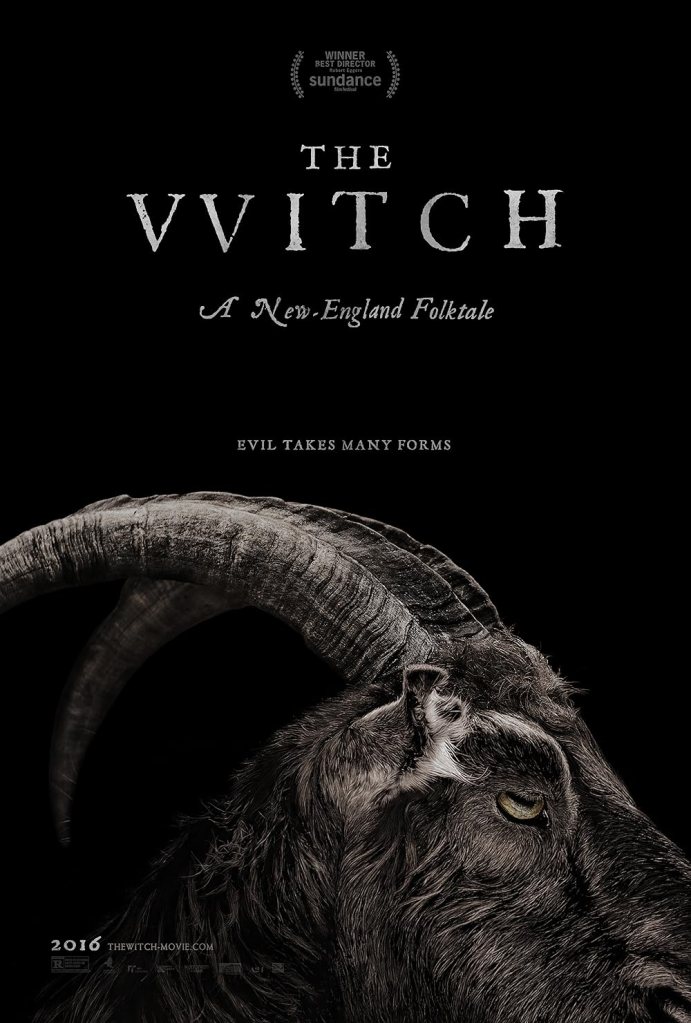
“God Rest Ye Merry, Gentlemen” — The Witch (2015)
Written & Directed by Robert Eggers
“Let nothing you dismay…”
This carol promises reassurance through obedience: submit, believe correctly, and all will be well. The Witch accepts that premise and then follows it to its inevitable conclusion.
Samuel’s disappearance during a game of peekaboo is not just a shocking inciting incident; it is the moment the family’s belief system reveals its true function. Faith does not comfort this household; it surveils it. Once Samuel is gone, the remaining children are not protected but scrutinized, treated as potential threats to moral order rather than victims of it. Childhood becomes suspect. Femininity becomes dangerous. Grief becomes evidence of sin. At the center of The Witch is not Satan, but Thomasin, a girl whose emerging selfhood repeatedly collides with a familial structure so rigidly patriarchal that her maturation itself is treated as a threat, deviation, and proof of sin.
As horror culture, The Witch is less interested in Satanic spectacle than in the slow violence of theological certainty. The parents’ insistence on righteousness creates an environment where fear is interpreted as failure and suffering is retroactively justified. “Let nothing you dismay” reads less like encouragement and more like instruction: do not question, do not resist, do not doubt, even when everything in front of you suggests you should.
The film’s horror lies in how completely belief consumes the family’s capacity for care. By the time the woods close in, the damage has already been done inside the home. The Devil merely formalizes what faith has already made possible.
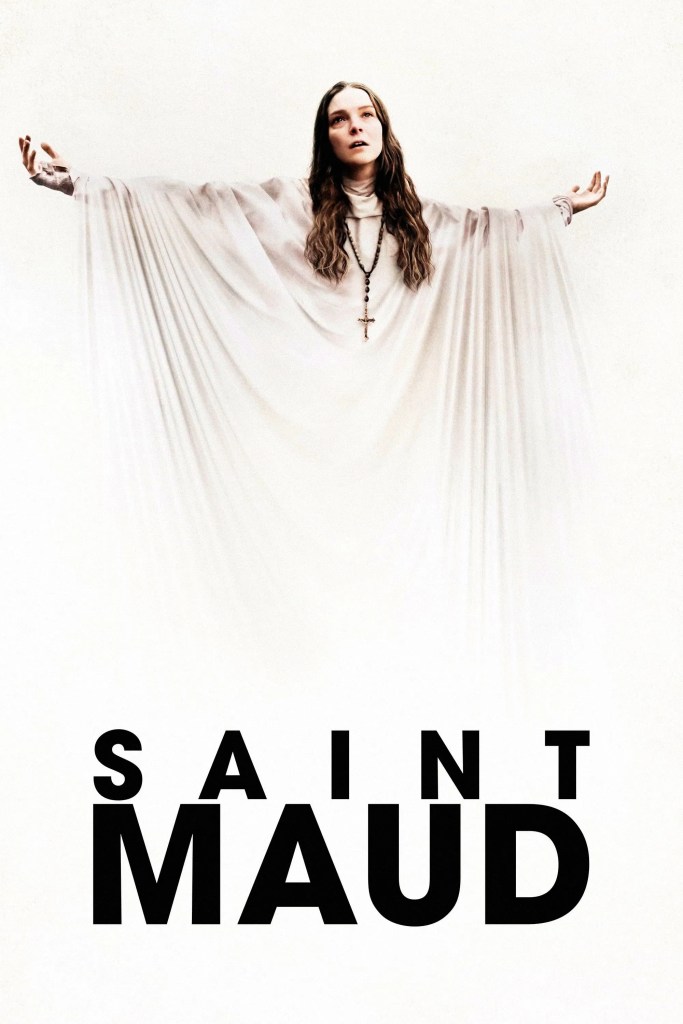
“O Little Town of Bethlehem” — Saint Maud (2019)
Written & Directed by Rose Glass
“How silently, how silently, the wondrous gift is given…”
Saint Maud is not concerned with public displays of faith. It is interested in the quiet kind, the kind that unfolds without witnesses, checks, or interruption. Maud’s devotion exists almost entirely in private spaces: rented rooms, hospital wards, empty seaside streets, self-flagellating in sensible shoes, where warmth feels theoretical at best.
The carol’s emphasis on silent holiness maps disturbingly well onto Maud’s inner life. She prays alone, listens intently for divine response, and learns to interpret absence as erotic intimacy. When answers fail to arrive, she supplies them herself. Pain becomes proof. Suffering becomes communication. Kneeling too long, pressing too hard, and enduring what should not be endured are all reframed as evidence of faith rather than warning signs.
What makes Saint Maud culturally unsettling is not its depiction of belief, but its depiction of certainty. There is no congregation here to intervene, no communal framework to redirect her devotion toward care rather than punishment. The “wondrous gift” promised by the carol never arrives. What arrives instead is endurance mistaken for virtue and isolation dressed up as calling and a bit of fire.
The film doesn’t ridicule faith. It questions what happens when belief becomes the only remaining relationship in one’s life, and whether holiness, when left entirely unchecked, can begin to resemble something far more dangerous.
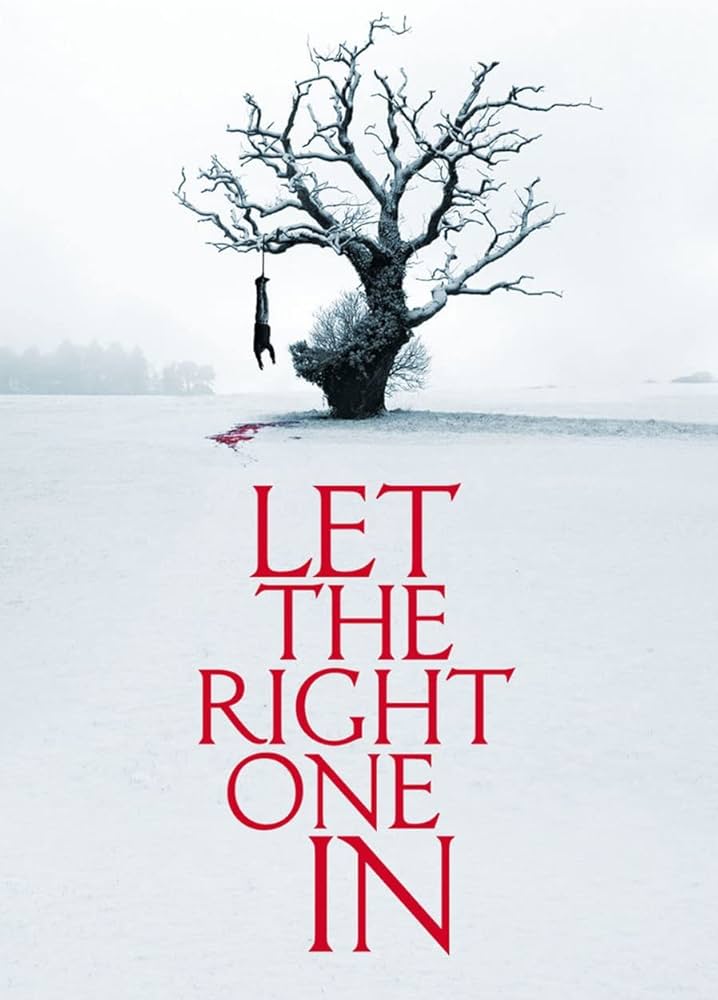
“In the Bleak Midwinter” — Let the Right One In (2008)
Written by John Ajvide Lindqvist | Directed by Tomas Alfredson
“The earth stood hard as iron, water like a stone.”
Cold is not just atmosphere in Let the Right One In — it’s a social condition. Childhood here is not protected; it is prolonged exposure to neglect, cruelty, and moral compromise. Oskar’s world is defined by bullying, absence, and exhaustive endurance, long before Eli enters the frame.
The swimming pool massacre, staged largely underwater, reframes violence as something both distant and unavoidable. Screams are muffled. Blood disperses slowly. The adults remain oblivious. Oskar survives not because he is saved, but because he aligns himself with something capable of acting decisively in a world that refuses to protect him.
Oskar’s bond with Eli is often framed as salvation, but the film is far less generous. Both children are social exiles, and isolation narrows their choices until attachment becomes an obligation. In environments where care is absent, children learn to cling rather than choose. Oskar is not offered friendship so much as a role as accomplice, protector, and witness, and he accepts it because refusal would mean returning to a world that has already demonstrated its indifference. What Let the Right One In exposes is the quiet violence of forced intimacy: how children learn to people-please, compromise their own safety, and mistake possessiveness for care when survival depends on staying attached to the only person who sees them.
As horror culture, the film offers a bleak assessment of intimacy under pressure. Love is not warmth; it is alliance. Loyalty is not sentimental; it is transactional. The carol asks what can be offered when the world is frozen solid. The answer here is companionship sharpened by necessity, even when it requires moral surrender.
In Let the Right One In, innocence is not lost in a single moment. It is gradually rendered impractical.
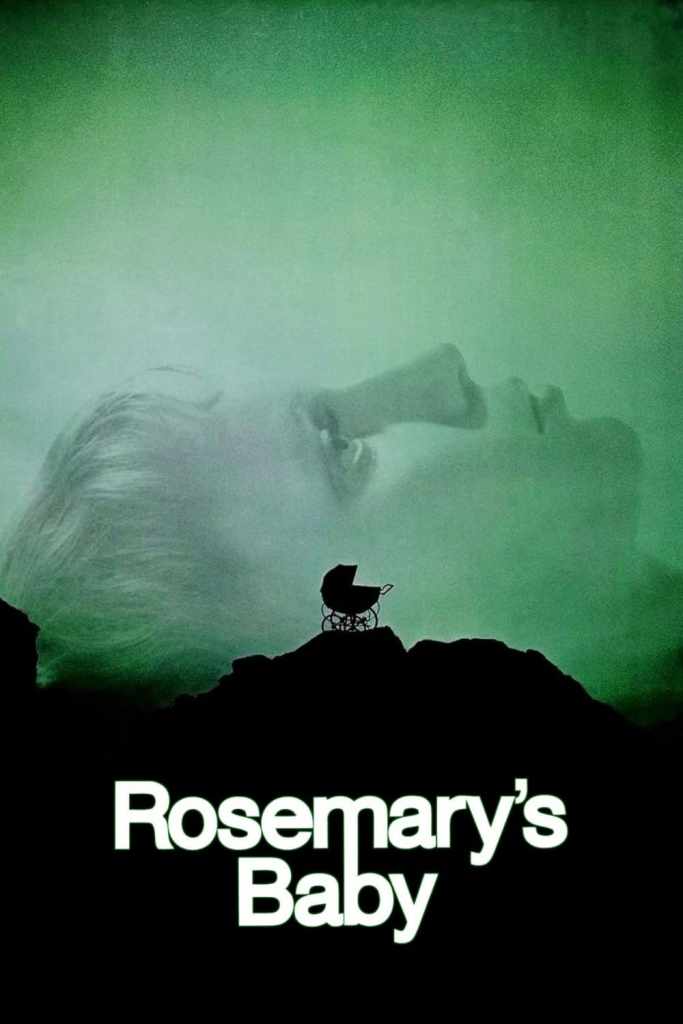
“Away in a Manger” — Rosemary’s Baby (1968)
Written by Oh Gee I Forgot (screenplay), based on the novel by Ira Levin
Directed by What’s His Name?
“The little Lord Jesus, no crying he makes.”
Few carols are as soothing. Few horror films are as invested in showing how soothing language facilitates harm.
Rosemary’s dream-rape sequence, layered with religious imagery and communal reassurance, reveals how violation is made palatable through sanctification. Her body becomes a site of collective interest, her discomfort reframed as misunderstanding, hysteria, or spiritual immaturity. Domestic space is no longer private; it is ceremonial.
What ultimately traps Rosemary is not a satanic conspiracy so much as the period’s expectations of female complacency: barefoot, pregnant, agreeable, and grateful for whatever attention arrives. The Castevets’ “care” operates as forced generosity; constant presence, unsolicited advice, warm smiles that leave no room to refuse. No one listens to Rosemary, but at least these people are paying attention. At least they show up. In a marriage where her husband withholds intimacy, protection, and belief, that attention begins to feel like care, even as it erases her autonomy entirely. Like Oskar, Rosemary falls into an attachment born of absence rather than trust. Something feels wrong. She is afraid. Her body is no longer her own. But isolation has taught her that being tended to, however invasively, is better than being alone. Horror culture recognizes this pattern well: when care is scarce, coercion can masquerade as generosity, and survival instincts quietly override self-preservation.
Silence is praised. Compliance is rewarded. Questions are treated as moral failures. The manger promises safety through humility, but the film reveals how that promise is weaponized to enforce obedience.
Motherhood here is not chosen; it is imposed. The absence of crying is not peace; it’s control. What the carol presents as serenity, the film recognizes as suppression.
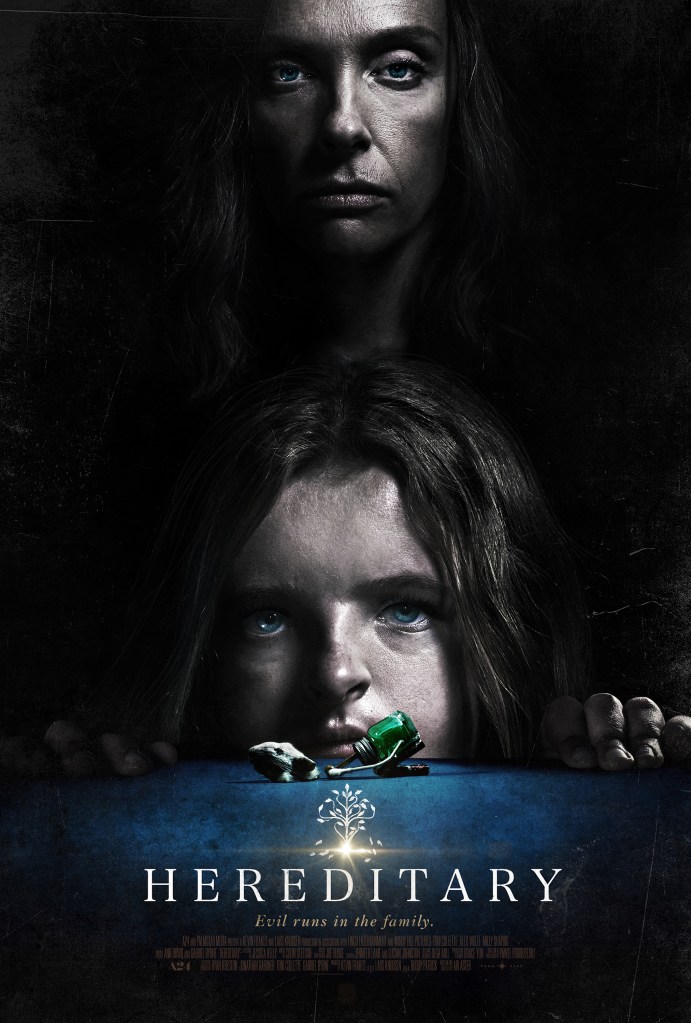
“We Three Kings” — Hereditary (2018)
Written & Directed by Ari Aster
“Star of wonder, star of night, guide us to thy perfect light.”
Hereditary is governed by movement. Procession replaces choice. Inheritance replaces agency. From its opening moments, the film signals that this journey has already been mapped.
The discovery of Charlie’s body in the car, Annie’s scream from offscreen, and Peter’s paralysis upstairs are devastating precisely because it refuses spectacle. This is not chaos; it is delivery. The child has reached her destination. The offering has been made.
What completes the film’s perfect storm is Annie’s impossible inheritance: the demand to become the matriarch in a family where motherhood has always been a trap. Even in death, her own mother exerts pressure; not just to lead, but to absorb, manage, and metabolize everyone else’s damage. Annie is expected to hold the family together while being quietly erased by it. At the same time, Peter retreats inward, his grief misread as indifference, his dissociation mistaken for smugness or avoidance. He is trapped inside his own body and mind after Charlie’s death, unable to articulate pain and increasingly punished for that failure. Annie’s rage, Peter’s withdrawal, and the unspoken weight of Charlie’s absence collide, creating a closed emotional system where no one is cared for, and everyone is blamed. What Hereditary captures with brutal clarity is how generational trauma doesn’t arrive as chaos; it arrives as obligation. The demand to perform stability, to inherit authority without support, allows the past to reassert itself under the guise of family duty. This is trauma coming home to roost, not as shock, but as expectation.
As horror culture, Hereditary interrogates the fantasy that lineage is benign. Children do not inherit only names and heirlooms; they inherit expectations, roles, and unresolved violence. The carol frames the journey as divinely guided. The film exposes what happens when guidance is indistinguishable from coercion.
The kings arrive bearing gifts. Hereditary suggests that sometimes what is delivered is grief itself, passed down carefully, faithfully, and without consent.
This kind of pairing doesn’t actually ask for much imagination. Christmas is already organized around ritual, repetition, and behavior — songs we know by heart, roles we’re expected to step into, emotions we’re meant to display on cue. Be grateful. Be forgiving. Be quiet when necessary. Keep the peace. Horror has always been interested in what happens when those expectations stop functioning as care and start operating as pressure.
Across these films, silence is repeatedly mistaken for safety, attention is confused with love, and obligation fills the space where care should be. Children, in particular, are left to navigate emotional landscapes they didn’t build and cannot escape. They adapt, they comply, they attach where they can, not because it’s healthy, but because it’s survivable. Christmas carols don’t create these dynamics; they reflect them. Their repetition normalizes endurance. Their sweetness smooths over cost.
Reading horror cinema alongside these songs doesn’t sentimentalize either form. It clarifies the structure they share. The carols show us how long these ideas have been rehearsed, and the films show us what happens when they’re lived out without relief. If there’s discomfort in hearing something familiar turn strange, that discomfort is doing useful work. It reminds us that fear rarely arrives unannounced — it’s learned, repeated, and passed down. And once you start listening for it, the bells were always tolling.




 NightTide Magazine
Leave a comment