
By Ray Walton
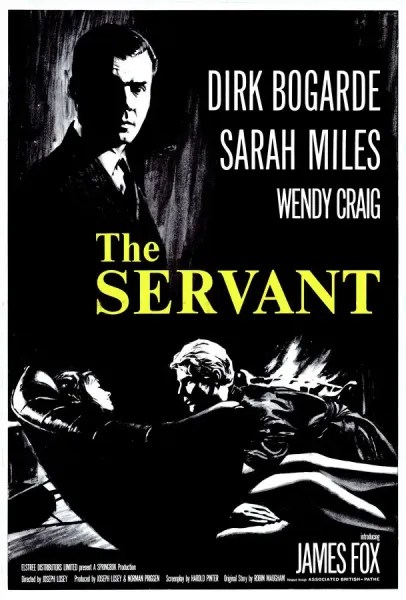
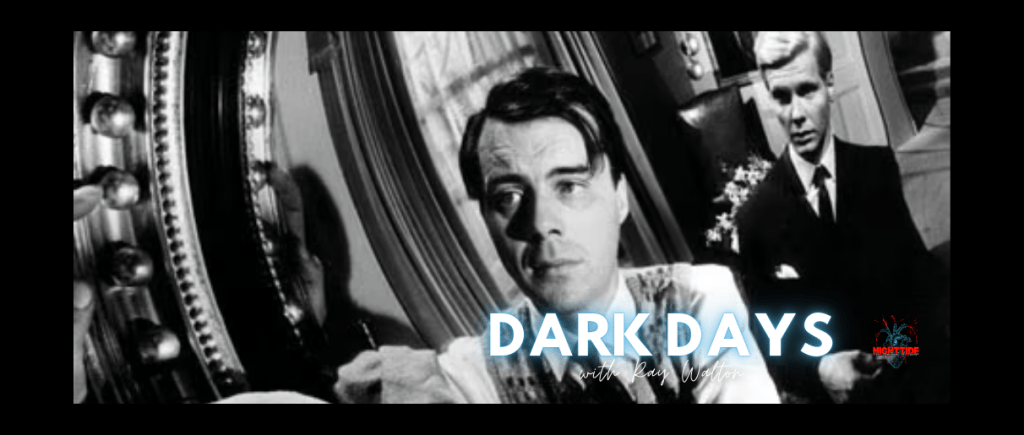
The Servant (1963) Director: Robert Losey ⭐️⭐️⭐️⭐️⭐
Upper-class Tony hires servant Hugo Barrett, who turns out to have a hidden agenda.
Released in 1963, The Servant arrived at a moment when British cinema was beginning to interrogate class, power, and domestic space with unusual frankness. Directed by Joseph Losey and written by Harold Pinter, the film transforms an upper-middle-class London home into a site of psychological warfare. Rather than relying on overt violence, The Servant unsettles through subtle shifts in control; glances held too long, favors that curdle into obligations, and intimacy used as leverage.
Emerging alongside a broader cultural unease about hierarchy and authority, the film resists easy moral alignment. Power moves quietly here, often invisibly, making The Servant a foundational text for psychological horror rooted in social structure rather than spectacle.
The Servant is a film where discomfort arrives gradually. Nothing dramatic announces itself at first; instead, the unease builds through proximity and repetition. The relationship between Tony and Barrett feels transactional from the beginning, but it’s never clear who is truly in control, and that ambiguity is what makes the film so disturbing.
What unsettles me most is how intimacy is weaponized. The house becomes less a home than a pressure chamber, where boundaries dissolve, and roles blur. Barrett’s presence is invasive without being overtly threatening, and Tony’s willingness to surrender control feels both voluntary and coerced. The power dynamic keeps shifting, never settling into something stable or safe.
There’s a claustrophobic quality to The Servant that lingers long after it ends. It’s not frightening in a conventional sense, but it leaves behind a residue, the sense that domination doesn’t always look like force, and submission doesn’t always look like weakness.
Why tonight?
Because this is a film that thrives on stillness, discomfort, and the quiet dread of losing control.



 NightTide Magazine
Leave a comment