By Michele Schultz
What a year 2025 has been for horror—especially since the Brooklyn Horror Film Festival celebrated its tenth anniversary in October with a special author panel at The Twisted Spine horror bookstore. Moderated by “The Unbound & Rewound” podcast host Avery Coffey, the discussion from October assembled horror writers to discuss horror cinema.
Clark Collis (Screaming and Conjuring: The Resurrection and Unstoppable Rise of the Modern Horror Movie), Lowell Greenblatt (Nightmare Autopsis: A Return to Elm Street), Mary Beth McAndrews (Paranormal Activity), Michael Gingold (Armies of the Night: The Warriors and its Legacy) and Payton McCarty-Simas (That Very Witch: Fear, Feminism and the American Witch Film) discussed potent themes drawn from each of their books.
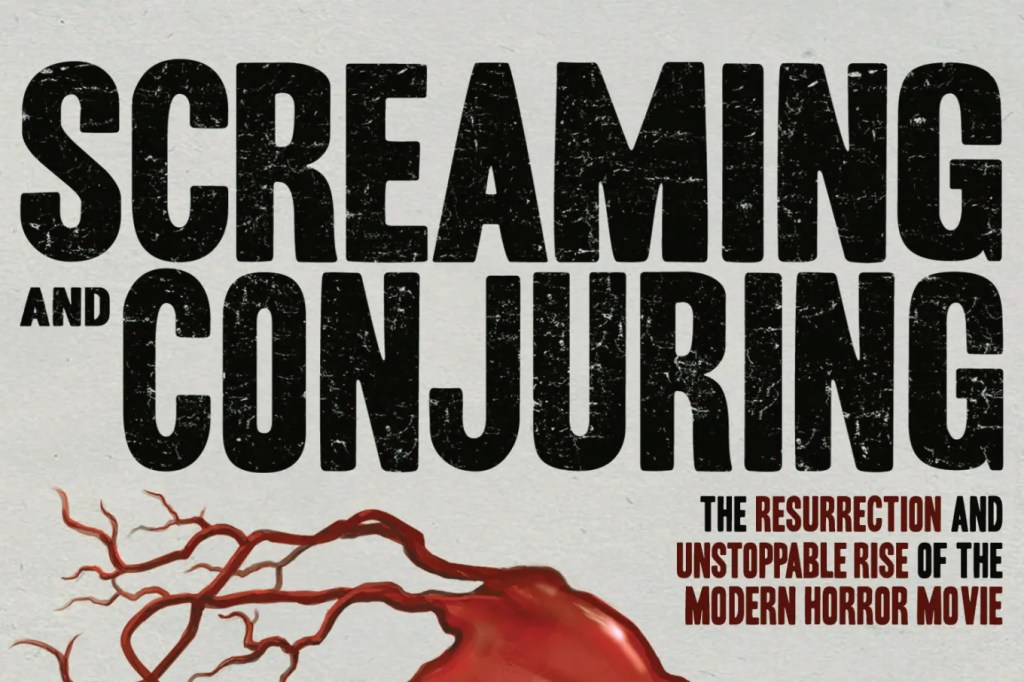
Clark Collis confirmed that his interview with director James Wan about the roles of Ed and Lorraine Warren in The Conjuring in addition to one of key takeaways from ‘Screaming and Conjuring’ on how horror is the genre in which filmmakers don’t need a big budget to create a big hit while weighing examples like The Blair Witch Project, Saw, Paranormal Activity plus optimistic about the future of the genre:
“I’m hoping even hardcore horror fans will learn things they didn’t know as they read the book! Horror is pretty much the only genre in which filmmakers don’t need a big budget to create a big hit! Thankfully, all the feedback I’ve received from filmmakers I’ve interviewed for the book has been positive; in my experience, horror filmmakers are among the nicest folks you could hope to meet. If I knew that, I would be making movies rather than writing books, but 2025 has been an amazing year for horror from Sinners to Weapons to Final Destination: Bloodlines to smaller films like Elric Kane’s The Dead Thing.”
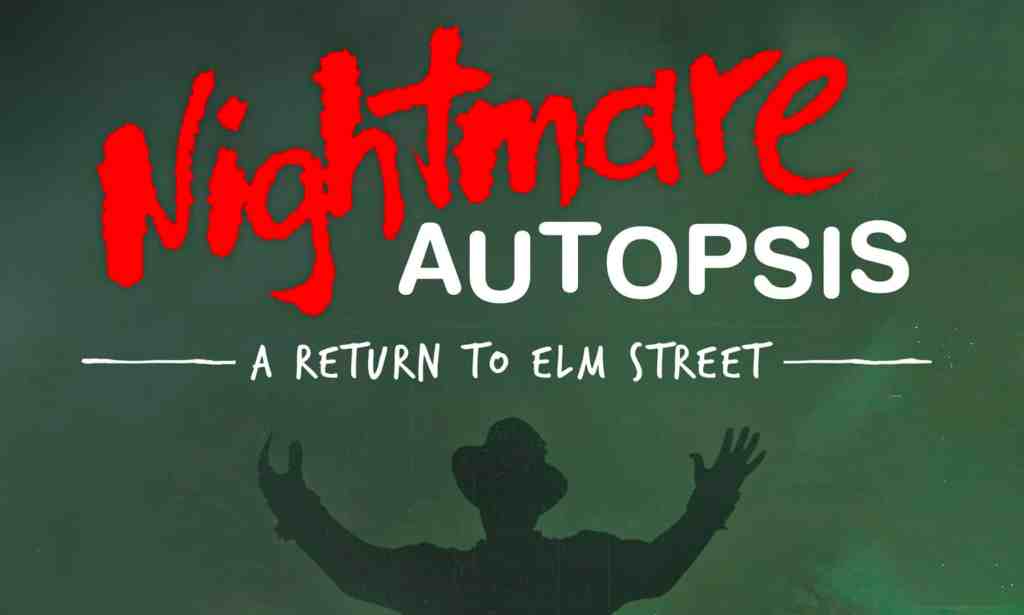
Lowell Greenblatt said how Nightmare on Elm Street influenced modern horror like Smile or Final Destination:
“I know that to some degree Freddie made an indelible mark on the culture, and everyone knows who he is, but I just felt the films weren’t as respected and acknowledged as some of their peers. I want people to realize, yeah, they were great eighties horror films, but to me, they mostly stand the test of time, and they were technological achievements even today. They have not just amazing effects, but they’re still telling an evergreen story about suburban alienation and how parents lie to their kids. And, it can be fatal, which isn’t totally relevant today. I just want people to appreciate a lot of the horror that they love today is rooted in these films.”
Michael Gingold said in explaining how the ‘Armies of the Night’ evolved from a smaller monograph into a comprehensive work he and his writing partner Chris Poggiali changed publishers while discussed the main research areas for the book, highlighting the film’s release in addition to the film’s perception and reality plus emphasizing Sol Yurick 1965 novel The Warriors that was the basis for the 1979 cult-classic film of the same name:
“If you know the movie, but you’re not aware of the controversy, you might be surprised that this particular film became the object of so much controversy back then! Chris and I spent the next couple of years getting interviews, doing more research, and expanding it into the book that you see now. One of the key focuses of the book from the beginning is the controversy that kind of erupted after the movie came out which people might be surprised that this one film just garnered so much controversy and got such a violent reputation when the movie itself isn’t graphically violent at all while the book of The Warriors is actually more violent than the movie, which was something that surprised me when I found out that the book is much more extreme in the way it handles violence, especially sexual violence, than the movie is.”
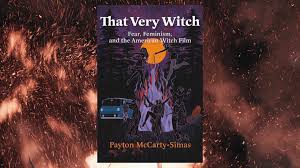
Payton McCarty-Simas said the central thesis of ‘That Very Witch’ and why horror films’ depictions of horror were particularly significant indicators of feminist strengths:
“The basic premise of my book is that you can get a real sense of what’s going on with feminism in America at any given point in time by looking at how witches are represented in film. I talk a lot about the concept of post-feminism in the book, which came about in the nineties, the idea that we don’t need feminism anymore. It was a commercial brand of feminism, associated with girl power. Movies like ‘The Witch’ that came out right around the Me Too movement, and ‘Suspiria’, and all these movies are reflecting a masculine anxiety around feminine power.”
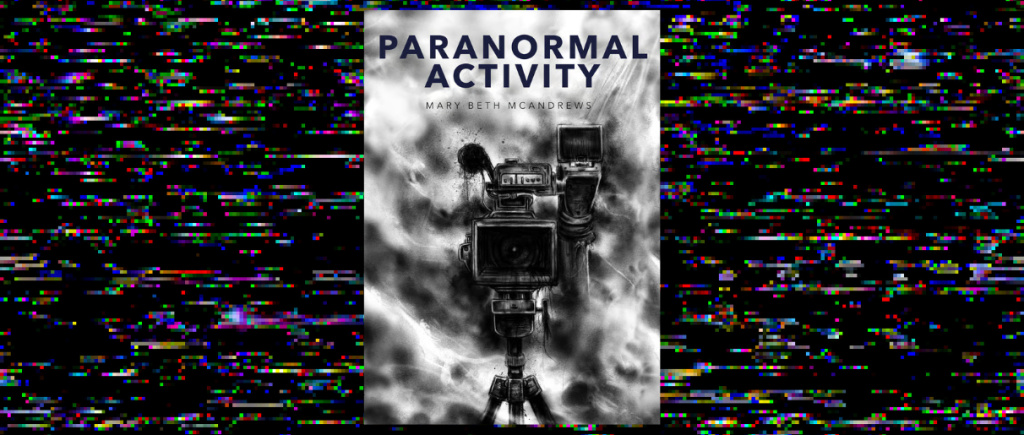
Mary Beth McAndrews said her book on the film ‘Paranormal Activity’ emphasizes its significance in film history beyond horror cinema, exploring various themes in her book while discussing the impact and future of found footage:
“My book ‘Paranormal Activity’ is about the movie ‘Paranormal Activity’, but my thesis is about how it is one of the most important films in film history— not just in horror cinema, but in cinema history in general, and my whole book is about breaking down why I think that isn’t one specific reason. There are several different reasons why I think that, so the book is all about digging into why it is such an important piece of cinema. Found footage is so much stronger than the narrative, in my opinion, with Paranormal Activity kind of launching a new relationship with real versus fiction. That kind of gap between real and fake is really kind of closing in the world in the digital age, and the genre is always at the forefront of technology, and people are always finding real, cool ways to use new tech to capture the world around us. It’s more than just a gimmick— it’s so much more than that, and people want something different and weird. Horror is the only genre that consistently performs well at the box office.”

 NightTide Magazine
Leave a comment