
By Mo Moshaty
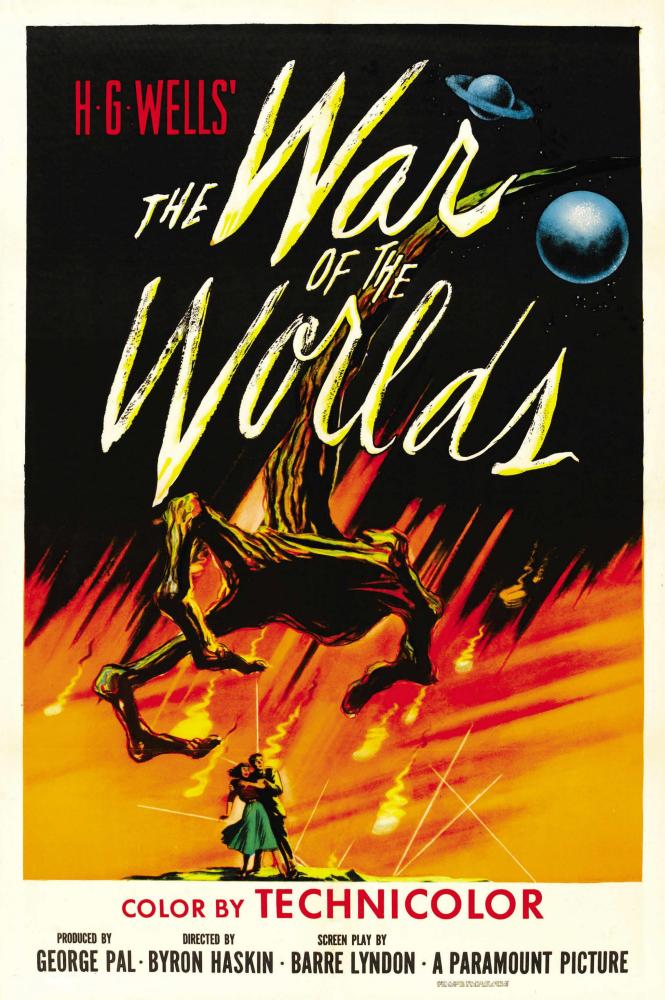
The War of the Worlds (1953) Director: Byron Haskin ⭐️⭐️⭐
When Earth is unexpectedly attacked by extraterrestrials, Dr Clayton Forrester, a scientist, races against time to find their weakness to defeat them.
Released in 1953, The War of the Worlds occupies a central place in science fiction and media history. Adapted from H. G. Wells’s novel and arriving in the long shadow of Orson Welles’s infamous radio broadcast, the film crystallized Cold War anxieties around invasion, annihilation, and human insignificance.
Where many alien invasion films of the decade leaned into pulp spectacle, The War of the Worlds aimed for seriousness and scale. Civilization collapses quickly. Military power proves useless. Faith and science falter in equal measure. Its influence is undeniable, even as later films would refine, question, or outright reject its approach.
This is the film everything else in the invasion cycle responds to, whether through imitation, exaggeration, or deliberate camp.
I understand this movie’s significance in cinematic history and media history more broadly, especially considering the legacy of Orson Welles’s radio broadcast. That said, I thought the film itself was just okay. It is entertaining, but not something I would call genuinely good.
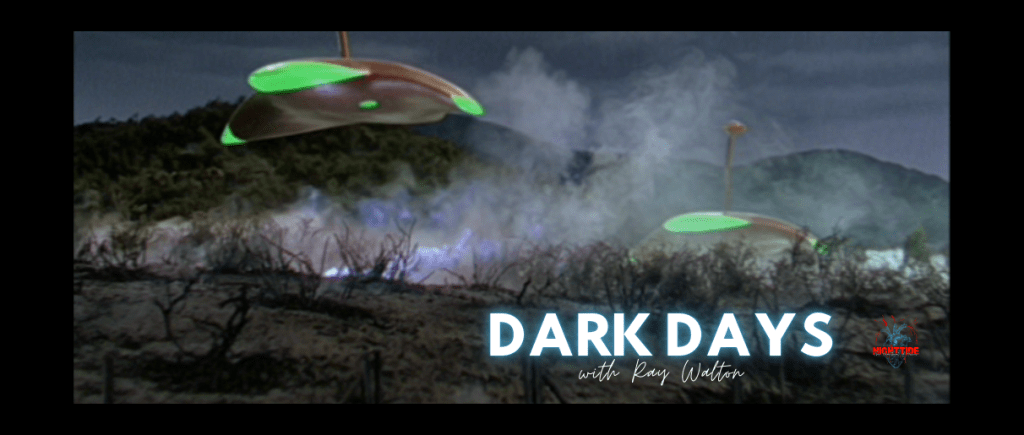
I want to give the campiness of the spaceships and aliens some grace, since this type of filmmaking was still new at the time. Still, the alien designs are hard not to laugh at. Even though they only appear briefly, I found it difficult to take them seriously.
The pacing also felt uneven. I kept comparing it to episodes of The Twilight Zone, particularly “The Shelter,” which explores similar ideas far more effectively and in much less time. The scene of Dr. Clayton Forrester running through the abandoned city immediately brought to mind the pilot episode “Where Is Everybody?” so much so that I went to bed dreaming about Earl Holliman in a similar premise.
While this is often considered one of the higher-quality alien invasion films of the 1950s, I personally prefer the campier entries that understand themselves as B movies built for a good time. This film feels dated, occasionally entertaining, but not something I would call great.
Why tonight?
Because some genre foundations are more interesting to examine than to revisit uncritically.


 NightTide Magazine
Leave a comment