By Mo Moshaty
Some horror films don’t end. They stop.
There’s no sting in the tail, no final jolt meant to wake the audience back up. Instead, the film leaves us with an image that settles rather than strikes. Something still. Something unresolved. Something that quietly undoes any reassurance the narrative might have offered up to that point.
These endings don’t announce themselves as subversive. They don’t raise their voices. They simply refuse to soothe.
What makes these final images so unsettling isn’t what they promise will happen next. It’s what they confirm has already happened. The damage is done. The character may be alive (most often, not), free, or technically safe, but their interior world has shifted in ways the story refuses to tidy up.

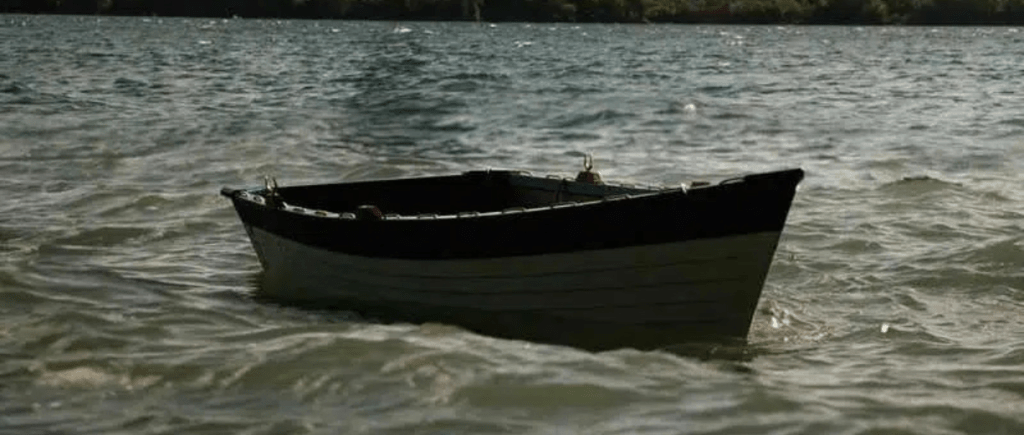
In Don’t Look Now, the final image doesn’t deliver closure so much as an all-out collapse. The film’s closing moments don’t resolve grief. They deepen it. By the time the truth is revealed, it feels less like a twist than an inevitability. What’s devastating isn’t the shock itself, but the sense that grief has been steering the narrative all along. The final image confirms that loss has already rewritten the terms of perception, decision, and belief.
The horror here is that nothing could have happened differently. The image doesn’t invite us to imagine what comes next. It traps us in the knowledge of what has already been irreparably altered.
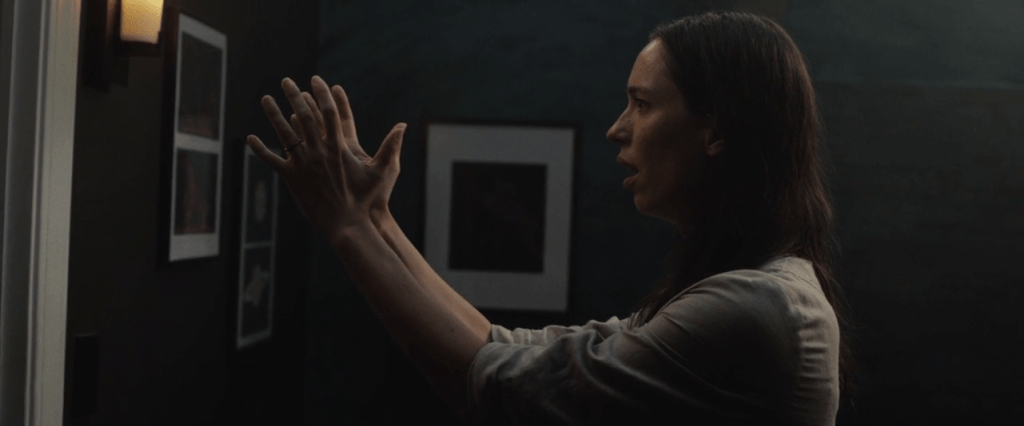
The Night House works in a similar register, though its horror is quieter and more abstract. The film gestures toward survival, but its final image is haunted by absence rather than relief. The threat may be gone, but what replaces it is not safety. It’s negation. A hollowed-out space where meaning used to live.
The closing image doesn’t reassure us that the protagonist has escaped. It shows us that escape is not the same thing as restoration. Something has been taken that cannot be returned. The film ends not with triumph, but with the weight of what survival has cost.
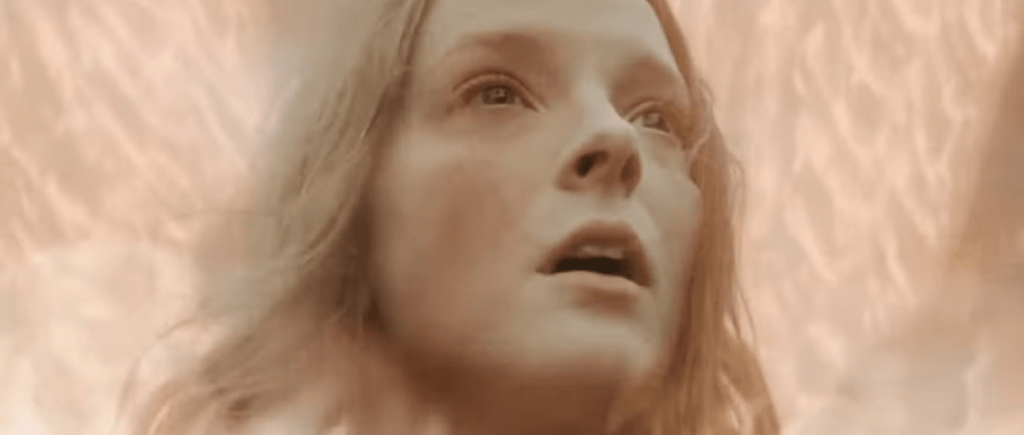
Then there is Saint Maud, whose final image is almost cruel in its restraint. The film spends its entire runtime inside belief, devotion, and certainty. When that certainty finally collapses, it does so in an instant. The last image strips away transcendence and leaves only the body, the moment, and the irreversible clarity of what has occurred.
There is no time to soften the blow. No room for reinterpretation. The image lands, and the film ends, leaving the audience suspended between what Maud believed and what the world has revealed. It’s not a twist designed to shock so much as a correction that arrives too late to save anyone involved.
What unites these films is not theme or tone, but discipline. None of them rely on slasher shorthand or genre nostalgia to carry emotional weight. There are no winking references, no inherited expectations doing the work for us. Each final image stands on its own, stripped of excess, asking the audience to sit with the consequences rather than race toward explanation.
These endings work because they prioritize recognition over revelation. They don’t tell us anything new. They show us what’s been true for some time, whether we wanted to see it or not. There is something almost ethical about this restraint. By refusing to soothe, these films resist the impulse to tidy up pain for the sake of narrative comfort. They don’t pretend that survival repairs belief, grief, or identity. They acknowledge that some experiences leave marks that cannot be narratively redeemed.
In a genre that often mistakes closure for kindness, these final images choose honesty instead. They don’t punish the audience. They trust us to remain present without being guided toward relief.
If the final image makes you feel worse ten minutes later, it isn’t cruelty, it’s honesty.
These films understand something horror often resists admitting. Sometimes the most unsettling ending is not the one that promises more terror, but the one that refuses to let the terror resolve. The screen goes dark, but the image stays with you, quietly insisting that what you’ve just witnessed does not end neatly, and neither does the damage it leaves behind.


 NightTide Magazine
Leave a comment