


by Stan Wright
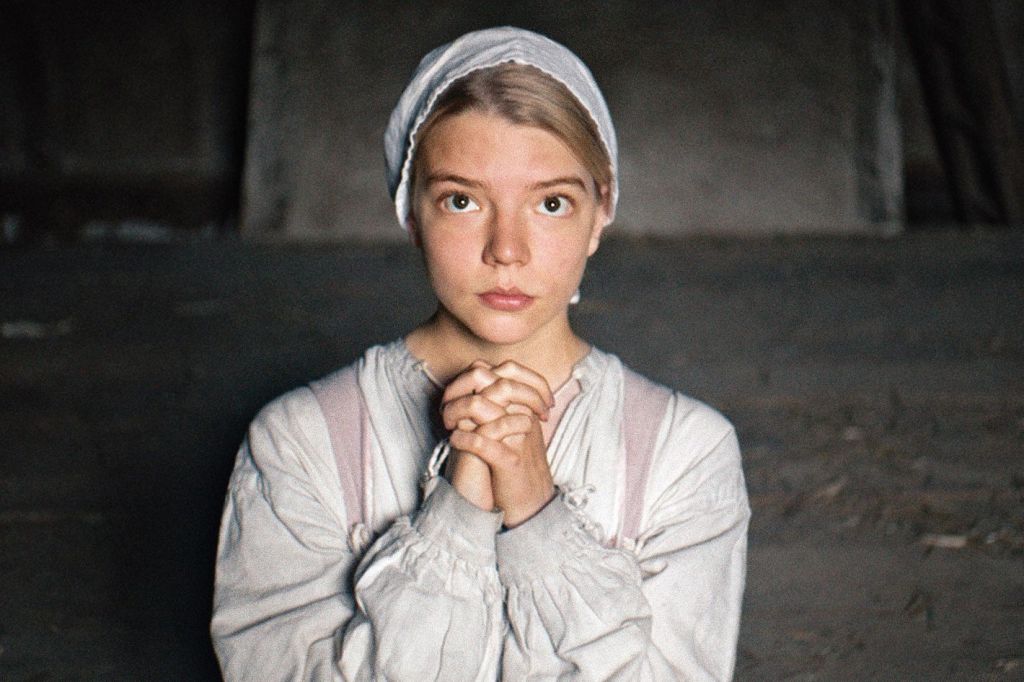
Anya Taylor-Joy in The Witch, A24, 2015
The Witch (2015), directed by Robert Eggers, plunges us into the oppressive world of a 17th-century Puritan family living on the edge of a dense, eerie forest. At the center of the story is Thomasin, the eldest daughter, played by Anya Taylor-Joy in a role that captures the character’s struggle against a world determined to silence and control her. The film is a chilling exploration of female oppression within a rigid patriarchal structure, where religious fanaticism and social norms dictate every aspect of a woman’s life, pushing her into fear, guilt, and ultimately, rebellion.
From the start, we see that Thomasin’s family is governed by the absolute authority of her father, William. In their harsh Puritan society, the father is the head of the household, the one who makes the rules and expects them to be followed without question. William, with his stern gaze and deep voice, controls his family with a mix of religious fervor and moral rigidity. Women, including Thomasin, are expected to be obedient, submissive, and pious. This rigid control creates an environment where Thomasin’s every action is watched, judged, and often condemned, setting up the film’s oppressive atmosphere.
Anya Taylor-Joy’s performance brings an intense vulnerability and strength to Thomasin’s character. In the early scenes, her expressive face captures the frustration of being constantly blamed for things beyond her control — like when her baby brother, Samuel, mysteriously vanishes while under her watch. Even though it’s clear she did nothing wrong, the suspicion falls on her. She’s seen as dangerous, a potential source of evil, simply because she’s a young woman coming of age in a deeply patriarchal society. Taylor-Joy’s eyes convey a mixture of fear and defiance as she tries to navigate a world where she has no power or voice.
As the film progresses, we see how religion is wielded as a tool of control. William’s strict adherence to Puritan beliefs means that women, especially Thomasin, are considered more prone to sin. Katherine, Thomasin’s mother, also buys into these beliefs, becoming suspicious of her own daughter. There’s a heartbreaking scene where Katherine accuses Thomasin of witchcraft — the ultimate crime for a woman in their world. As tension builds, we feel the weight of the oppressive system bearing down on Thomasin, who is caught between her family’s paranoia and her own desire for freedom.


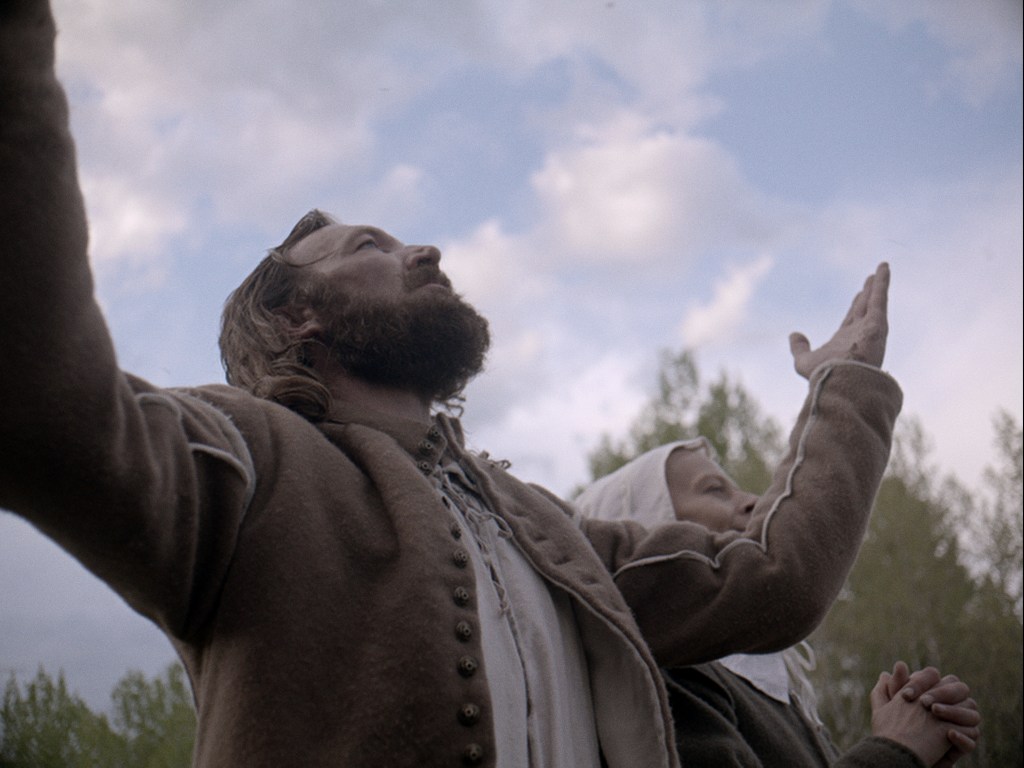
Ralph Ineson in The Witch, A24, 2015
But Thomasin isn’t just a passive victim. Throughout the film, she shows small acts of resistance. In one memorable scene, she turns the accusations against her into a game, taunting her younger siblings with stories of witchcraft, using the very language of fear that surrounds her. It’s a moment that hints at her growing awareness of the power dynamics at play — and her desire to push back against them, even in small ways. Taylor-Joy shines in these moments of defiance, bringing a subtle intensity that hints at the inner strength Thomasin is discovering within herself.
The figure of the witch in The Witch serves as a symbol of ultimate rebellion. In the Puritan worldview, a witch represents everything that patriarchal structures fear: a woman who is independent, sexually free, and powerful. By the end of the film, Thomasin’s decision to “sign the Devil’s book” and join the coven of witches can be seen as a radical act of defiance. It’s her way of rejecting the oppressive forces that have controlled her life, reclaiming her agency in a world that has denied her freedom at every turn. The final scene, where she joins the witches in the forest and begins to float, captures this transformation beautifully. Taylor-Joy’s expression — a mix of relief, fear, and exhilaration — makes this moment feel like a powerful release from all that has oppressed her.
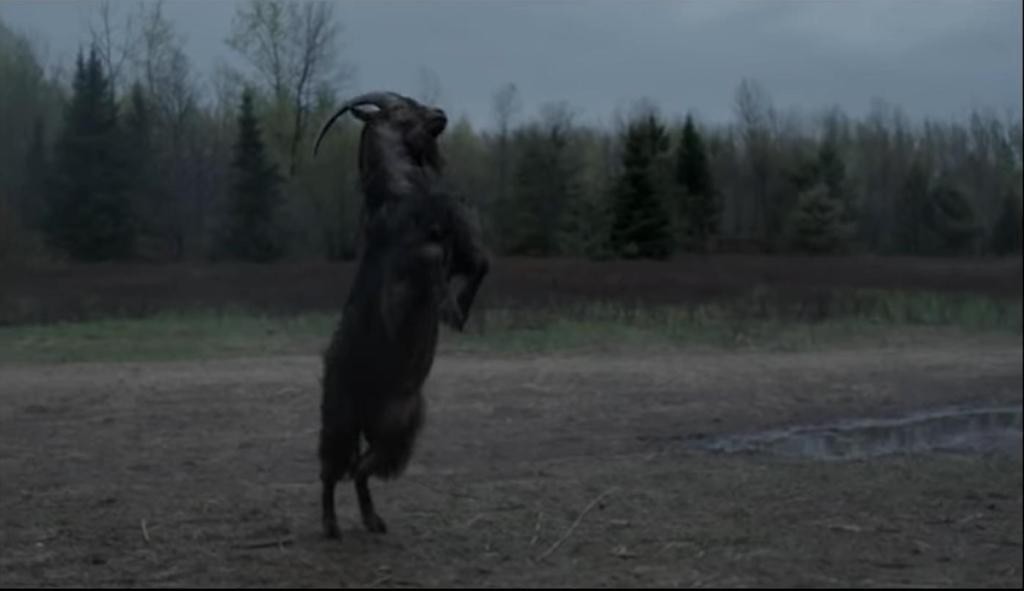
William’s character also serves as a critique of patriarchal control. His pride and stubbornness lead the family to ruin. Despite all his bluster and authority, he is unable to provide or protect, and his attempts to maintain control only hasten their downfall. His death — trampled by the very goat, Black Phillip, he sought to master — symbolizes the failure of patriarchal power that claims to protect but often destroys. It’s a brutal reminder of the consequences of unchecked authority.


Anya Taylor-Joy in The Witch, A24, 2015
The Witch is a stark critique of patriarchal structures, showing how they can lead to suffering and destruction. Thomasin’s journey from a subdued, powerless daughter to a defiant witch challenges the legitimacy of these structures. Her final act of joining the witches suggests that true freedom can only be found by rejecting these oppressive norms. The film, through its historical setting and supernatural elements, becomes a reflection on modern issues of gender and power, encouraging the audience to think about how these dynamics continue to play out today.
Anya Taylor-Joy’s portrayal of Thomasin elevates the film, making her journey from oppression to liberation compelling and relatable. Her performance captures both the vulnerability of a young girl trapped in a cruel world and the fierce determination of someone who refuses to be broken by it. The Witch invites us to question the enduring legacy of patriarchal control and its impact on women’s lives, challenging us to see the strength and resilience in those who dare to defy it.
Stan, a native of Union, South Carolina, found inspiration for his passion for horror in the
haunting image of an abandoned house consumed by kudzu that lingered in his memories. These
days, Stan likes to watch horror movies as well as dabble in screenwriting and writing about
horror.
Find Stan on X.com/Deathlok38

 NightTide Magazine
Leave a comment