By Sonja Ska
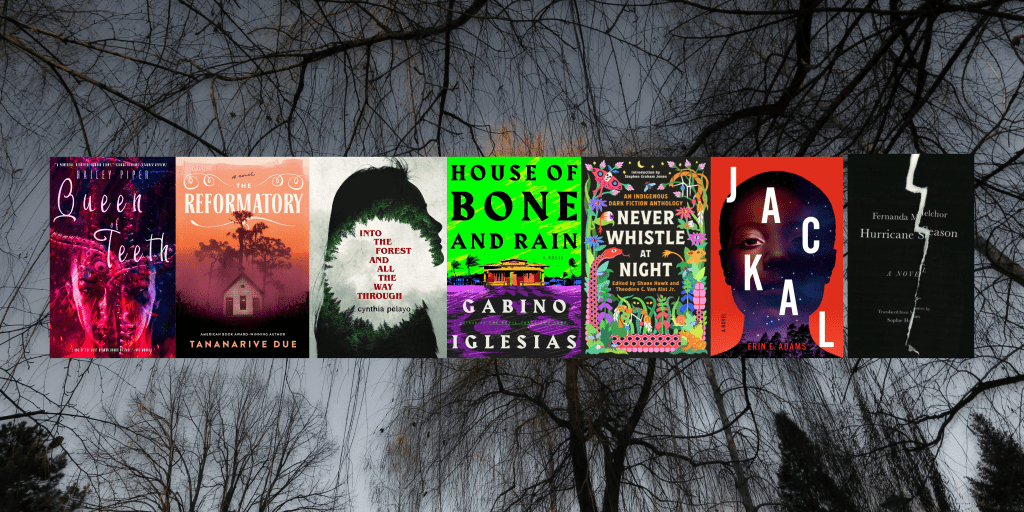
The recent calls to “keep politics out of bookish spaces” ignore a simple but undeniable truth: reading and books have always been political. While this is a truth of every genre, it’s especially true of horror. From 18th-century gothic novels that explored patriarchal control to modern stories confronting racial violence, horror transforms our deepest societal fears into stories about ghosts, demons, and monsters. While horror has never backed away from exploring who gets to be human and who gets to be a monster, a growing trend of societal horror examines how certain communities are portrayed.
As more diverse authors claim their space in the genre, they’re bringing a new exploration to the forefront of societal horror. These authors don’t just tell scary stories – they expose the haunting weight of generational trauma, the relationship between possession and colonization, and how the real horror isn’t necessarily in supernatural threats but in the mundane smile of someone who is secretly harboring hate. First up..
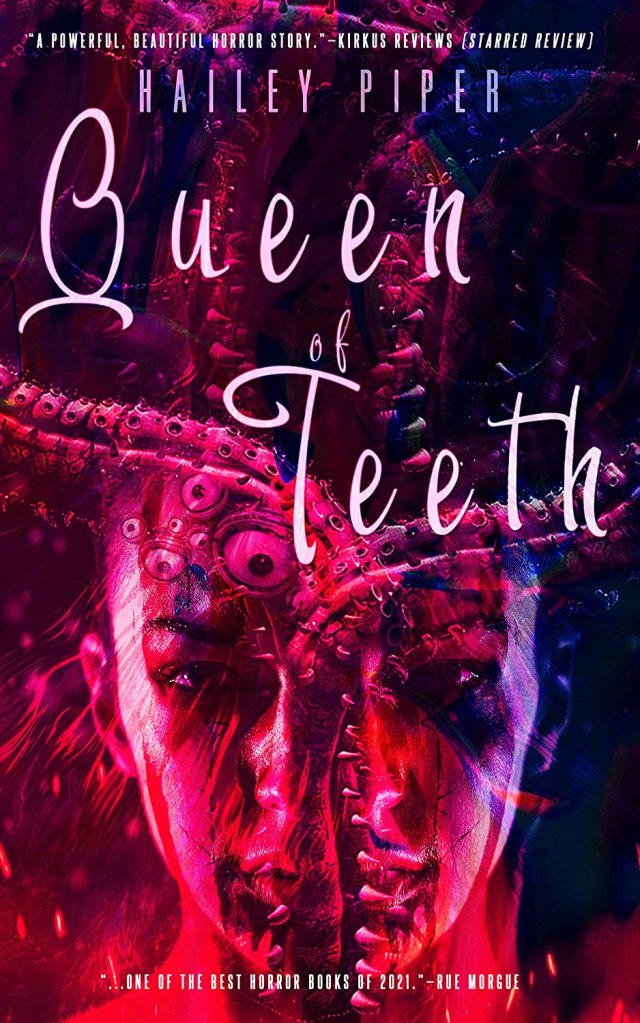
Queen of Teeth by Hailey Piper
Hailey Piper writes some weird ass shit. In Queen of Teeth, we’re taken to a dystopian future where a woman wakes up to find teeth in her lady bits. Turns out the teeth are an odd side effect of being genetically modified by a corrupt biotech organization, and because they technically own part of her DNA, they’ve come to claim her body so they can experiment as a result of the pearly white in her vagina. Like I said, weird ass shit.
Yes, tentacles get involved, and there’s a lot of blood and goopy bits, but Queen of Teeth is more than a transformative work of body horror. Between the pulpy flesh warping itself into a sprawling, withering mass of female genitalia, there’s a really amazing story of bodily autonomy, self-acceptance, and even a bit of love.
The Reformatory by Tananarive Due
The Reformatory is a historical fiction that follows the Stephens siblings after twelve-year-old Robbie is sent to a correctional school for standing up to a white boy making unwanted advances toward his sister, Gloria. The book alternates between Robbie’s increasingly supernatural experience at the Reformatory and Gloria’s mission to help vindicate her brother in any way she can.
The Reformatory offers a more nuanced and atmospheric experience rather than a high-octane thrill ride. While you will be compelled to keep turning the pages, the tension comes from Due taking her time with the characters, ensuring you understand the insurmountable stakes they are fighting against before plunging you into a supernatural mystery that will slowly shatter your heart.
* The novel is inspired by the experiences of Due’s great-uncle, Robert Stephens, who was sent to the Dozier School in 1937 at the age of 15. Stephens died under mysterious circumstances and was buried in an unmarked grave at the school’s cemetery.

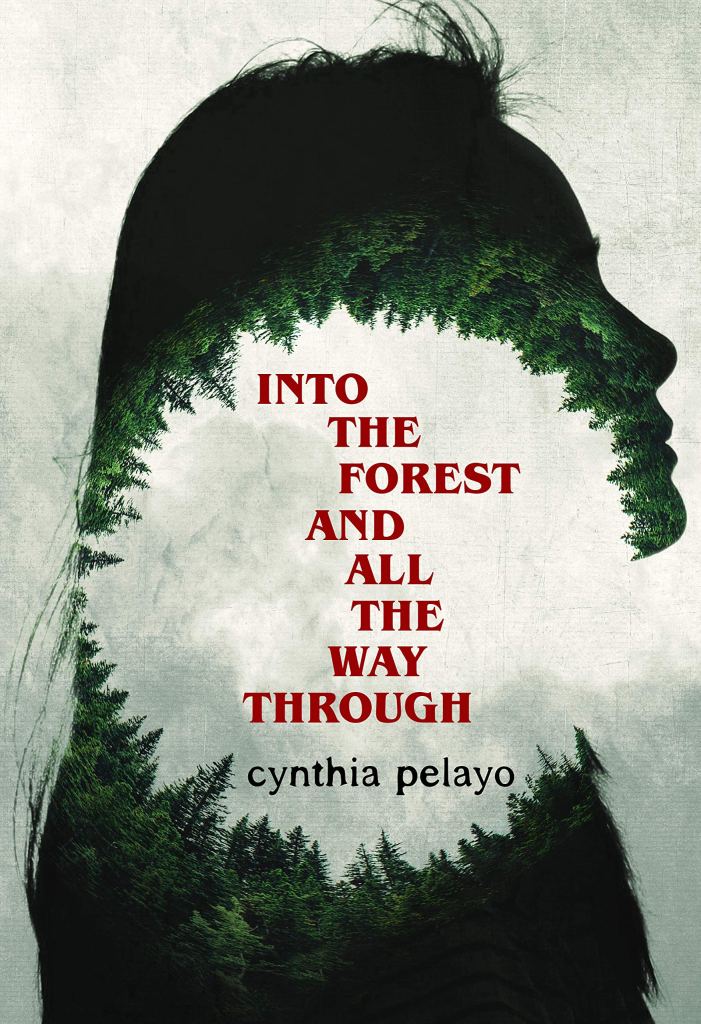
Into the Forest and All the Way Through by Cynthia Pelayo
Horror isn’t a genre most people associate with poetry, but in her heartbreaking collection about missing and murdered women in America, Cynthia Pelayo weaves haunting tales of true crime with beautiful prose that cut straight through your heart. Every poem in Into The Forest and All the Way Through memorializes a different woman taken, highlighting lives so they don’t fade along with their missing poster.
Through haunting, beautiful prose, Pelayo reconstructs these women’s lives – from glimpses of the person they were to the devastating scenes of their final moments. Her verses are both tender and unflinching as they confront the brutal circumstances of each disappearance. Though the collection delves into darkness, its ultimate message rings clear and defiant: women are not disposable or statistics that are easily forgotten.
House of Bone and Rain by Gabino Iglesias
Set in Puerto Rico as Hurricane Maria makes its way toward shore, House of Bone and Rain is the story of five young men – Bimbo, Paul, Tavo, Xavier, and Gabe – and their vow of revenge. After one of their mothers is gunned down by the henchmen of a drug lord, the friends-turned-brothers devise a plan to hunt him down as a storm ravages the island, but it’s not just gang members they should be wary of.
House of Bone and Rain will slowly cut you open, slicing at your skin with disturbing depictions of violence, trauma, and loss. But expect more than a simple story of revenge. This is a story of mythology and legends. A story of a community shaped by poverty and gang violence but also a story of resilience. Most of all, it’s a story of brotherhood so profound that five friends are willing to travel down the darkest paths to keep each other safe.


Never Whistle at Night: An Indigenous Dark Fiction Anthology edited by edited by Shane Hawk and Theodore C. Van Alst Jr.
Never Whistle at Night is a collection of twenty-six indigenous stories ranging from supernatural to contemporary. Fair warning for anyone jumping into this expecting fun, creepy little horror stories – these get dark. And I mean dark. Which makes sense considering this is an anthology dealing with themes like colonialization, racism, displacement, and torture. Each story picks at wounds left behind by generational trauma, exposing their ugly truths to a world that often looks away at the first sign of discomfort.
Within these brutal tales of revenge, gnarly body horror, and horrific monsters with sharp teeth and claws, but also business degrees and pearly white smiles, is a stark reminder of why reaching for perspectives outside of your own is important.
Jackal by Erin E. Adams
Liz Rocher never thought she would return to Johnstown, Pennsylvania, but somehow finds herself back in her hometown when her childhood best friend gets married. The celebration is cut short when the daughter of the bride goes missing with only a bloodied white piece of fabric left behind in the woods. The disappearance brings back memories of other girls who had gone missing, only to be found brutally murdered, leading Liz to uncover the mystery of why young Black women keep going missing from the town.
Jackal is tense and atmospheric, throwing you into the claustrophobia that comes with living in a community where undercurrents of racism are palpable, living things pulsing behind every interaction and hiding behind polite smiles. It sets the foundation for the true horror of the novel: Black girls are going missing…but no one really cares. The lack of care and attention given to missing Black women is a horror that transcends the page, highlighting real horrors too close to real life.


Hurricane Season by Fernanda Melchor
Hurricane Season starts with a witch. An outcast, she is found broken, brutalized, and discarded in a river next to a small Mexican village. Her death ripples through the town, prompting the community to question why she was killed. Was it fear? Greed? Worry of a secret leaking back to those who turned their backs on her? The question leads to an exploration of mythology, sexism, and a community stricken with drugs, hopelessness, and poverty.
Everything about Hurricane Season is heavy, weighing you down with violence and trauma. Navigating the blocks of text and the onslaught of brutality becomes increasingly more difficult as you sink deeper into the harsh realities of how corruption, drug abuse, and oppression can shape people and the communities they live in.
Horror has always been a lens through which we confront our deepest societal fears, transforming them into stories about ghosts, demons, and monsters. From gothic novels critiquing patriarchal control to modern tales addressing racial violence, the genre thrives on exploring who is seen as human and who is cast as a monster. Today, this tradition continues with stories that delve into real social terrors, such as generational trauma, the echoes of colonization, and the insidious nature of hidden hate. These narratives don’t just reflect societal horrors—they push the genre forward, proving that its power lies in exposing the truths we fear most.
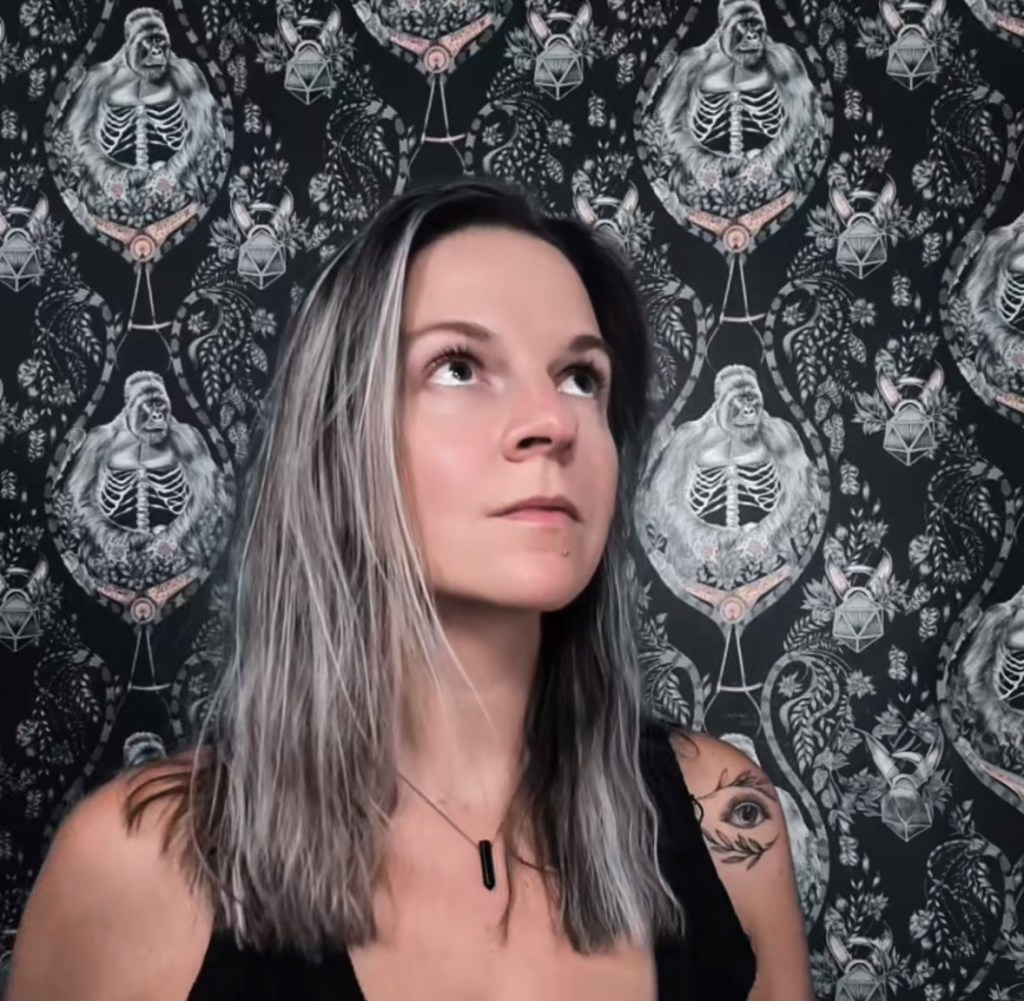
Sonja is a horror content creator, freelance writer, and reviewer. She has written for publications such as The Graveyard Shift, Uncomfortably Dark, and Spooky Curious. An avid lover of horror media, you can usually hear her talking about Bigfoot at parties, obsessing over authors with her horror-focused book club, or hiking with her dog. Follow her on Instagram (spookycurious), Threads (spookycurious), and Tiktok (ghostlyreads)


 NightTide Magazine
Leave a comment