
By Tugçe Kutlu

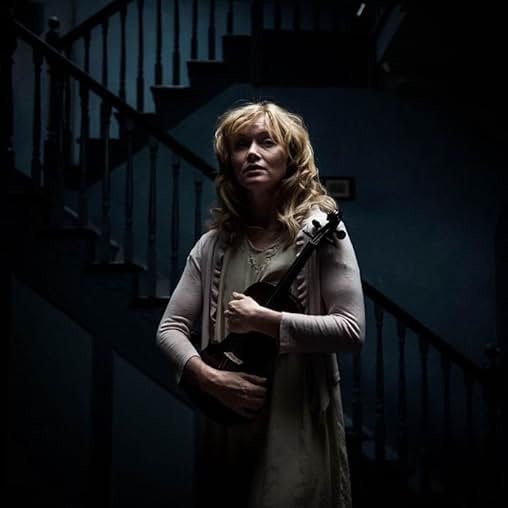
Jennifer Kent’s The Babadook (2014) isn’t just another entry in the horror genre—it’s an unflinching exploration of grief that manifests as a literal monster. From the opening moments, Amelia (played brilliantly by Essie Davis) is haunted by the car crash that killed her husband Oskar. This trauma seeps into her dreams, her daily life, and most hauntingly, her relationship with her son, Samuel (Noah Wiseman).
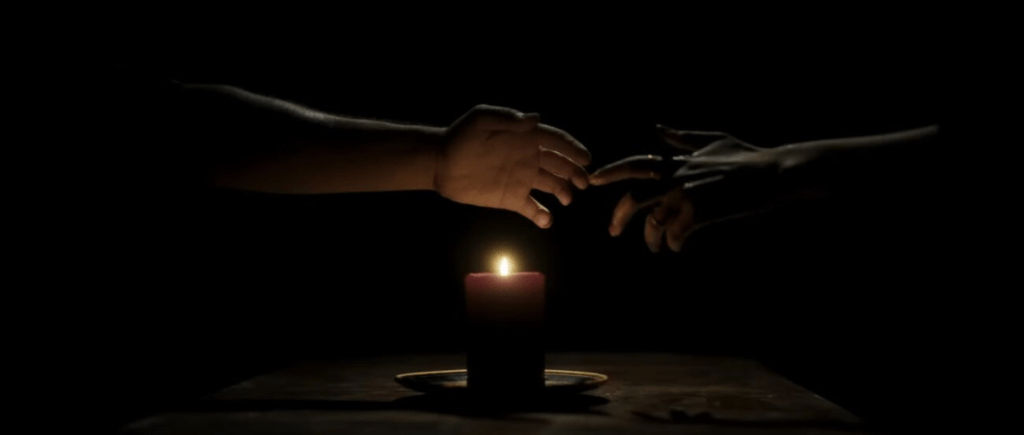
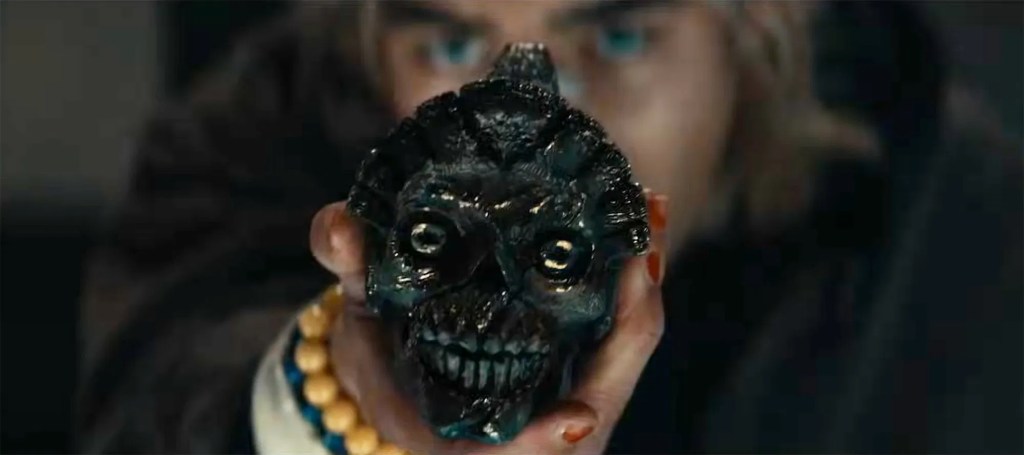
Horror, as Robin Wood famously argued, thrives on the interplay between normality and the monstrous. In The Babadook, grief is both the monster and the abnormality threatening Amelia’s fragile world. Mister Babadook, with his eerie pop-up book, otherworldly growls, and shadowy presence, becomes the embodiment of Amelia’s complicated grief. He’s cloaked in denial, anger, bargaining, and depression—the very stages of grief—and his haunting presence ensures Amelia cannot avoid what she has lost.
Kent crafts a chilling yet empathetic narrative, reminding us that the real terror often lies in our inability to confront our inner demons. This is especially true for Amelia, who struggles with the societal and personal expectations of motherhood and mourning. Her ambivalence toward Samuel, born on the day Oskar died, turns into hostility as grief consumes her. In a scene that is as heartbreaking as it is terrifying, Amelia admits, “You don’t know how many times I wished it was you, not him that died.” This moment underscores The Babadook’s daring interrogation of the idea that familial love is unconditional.
Dreams are a key motif in the film, linking it to the broader subgenre of mourning horror. Amelia’s nightmares about the car crash, her husband, and even killing her own son echo real-life experiences of grief. These moments align The Babadook with other grief-centered horror films like Hereditary (2018), where family trauma becomes a breeding ground for terror, or Pet Sematary (1989), where grief drives a father to the unthinkable.

But what sets The Babadook apart is its nuanced resolution. The monster isn’t destroyed—it’s contained. By the end of the film, Amelia and Samuel acknowledge Mister Babadook’s presence, keeping him in the basement, and feeding him like a helpless creature. This act of compassion symbolizes an essential truth about grief: it doesn’t vanish; it becomes part of you.
As Amelia learns to confront her trauma, she also rediscovers her capacity for love and resilience. The film ends with a quiet but powerful scene: Amelia and Samuel celebrate his birthday, a day previously tainted by loss. Mister Babadook remains in the basement—a reminder that while grief never disappears, it can be managed, lived with, and even cared for.
The Babadook is essential viewing for anyone drawn to the intersection of horror and emotion. Jennifer Kent, one of the few female directors to helm a film about mourning in horror, brings a unique depth to the genre, proving that horror can be as cathartic as it is terrifying. With its Gothic visuals, deeply human performances, and chilling exploration of unresolved grief, The Babadook stands as one of the most important horror films of the 21st century.
So, the next time you’re in the mood for a scare that cuts to the emotional core, don’t let The Babadook stay in the shadows. Let it in—but only enough to remind you that the monsters we face are often the ones within.




 NightTide Magazine
Leave a comment