By Brian Finnerty
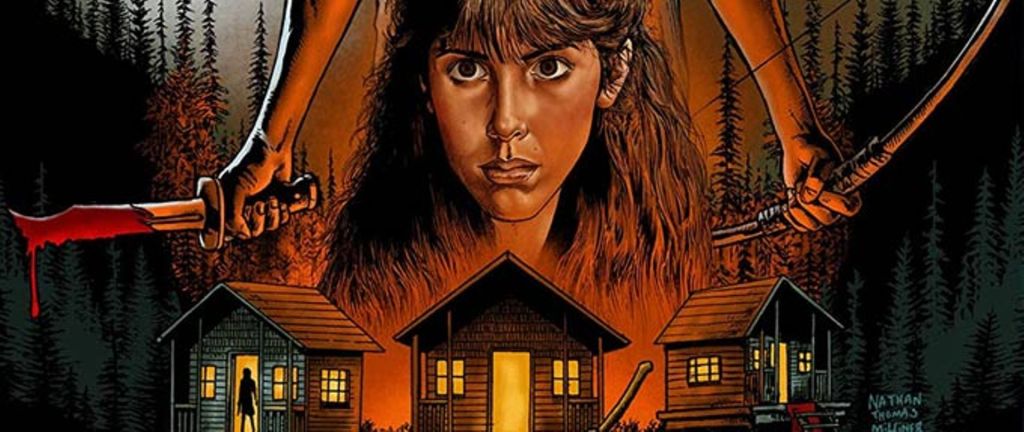
Summer vacation is a universal experience. While its form may vary greatly from person to person, community to community, and across the lifespan, there are common themes that most can identify with. For young people, in particular, this time of year brings freedom. A break from the daily routine of school. A respite from the rules and structure placed upon them by their educational institutions.
How a Summer vacation plays out is often a projection of socioeconomic status and life circumstances. Some may recall Summers abroad, traveling to faraway places and experiencing new ways of life. Some may reflect upon days spent alone, seeking ways to entertain themselves at home while their caregivers go to work (an institution for which the Summer offers no break for many). Still others may imagine days spent wandering their neighborhoods, joining the throngs of other unaccompanied minors as they explore their hometowns in ways not available to them during the school year.
But there is one archetype of the Summer vacation that dominates the genre of horror like no other: The summer camp. According to the American Camp Association’s most recent data in 2022, only 12% of American children attended a summer camp. Yet popular horror films, both past and present, have returned to this environment time and time again to set the stage for the battle between good and evil. While horror films of all subgenres have been set in such an environment, the summer camp slasher is the most popular by far.
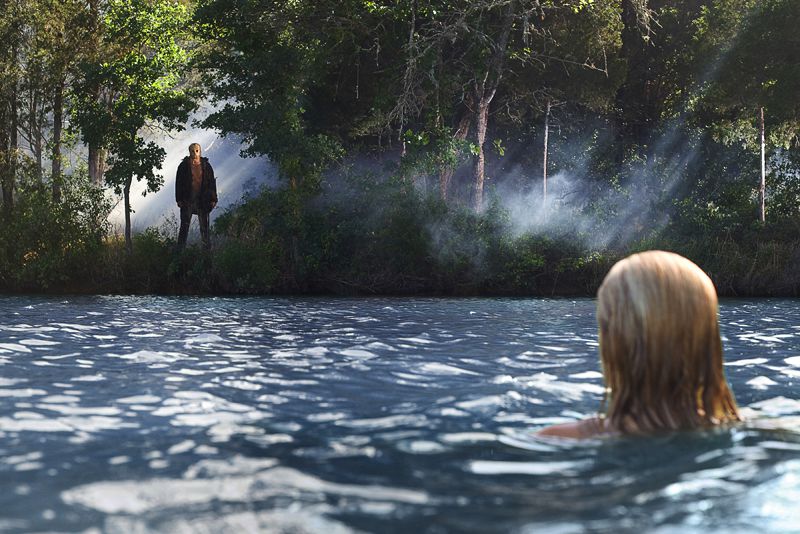
Veteran and casual horror fans alike will immediately think of Sean Cunningham’s ‘Friday the 13th’ (1980) and the franchise it inspired as the most obvious example of the summer camp slasher. In fact, this was the first slasher film to be set in such an environment. Though it should be noted that Tony Maylam’s less successful, but still beloved cult film ‘The Burning’ (1981) was actually written several years earlier. However, it is unlikely to have been released without the surprise success of Cunningham’s masterpiece. The summer camp was Jason Voorhees’ domain until (for better or for worse, depending upon who you ask) he ventured away to visit first Manhattan, then Hell and finally space. But he always returns to Camp Crystal Lake, where he is most at home.
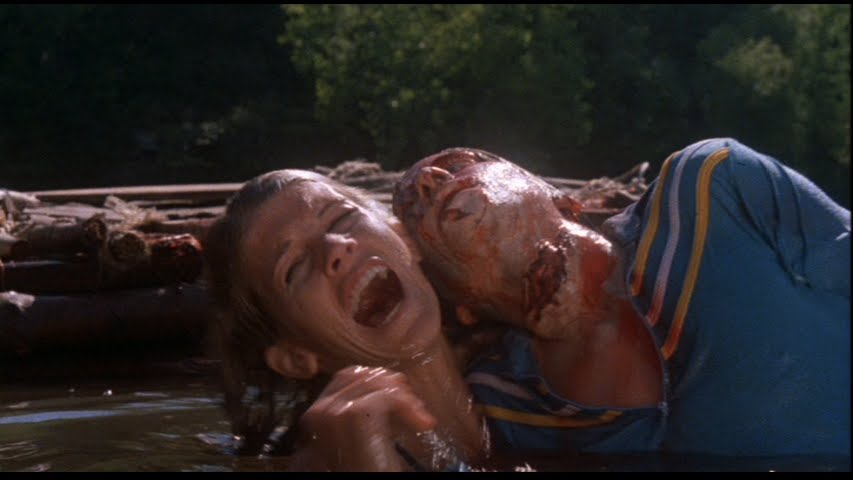
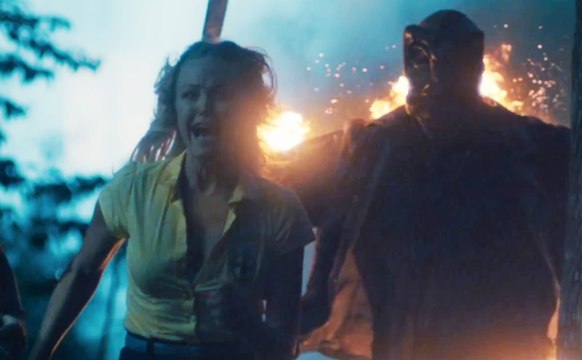
However, Jason does not stalk the campground alone. Other examples of this subgenre are endless. But some of the more beloved such movies include Robert Hiltzik’s ‘Sleepaway Camp’ (1983), Todd Strauss-Schulson’s ‘The Final Girls’ (2015), and more modern entries such as ‘Fear Street: Part Two – 1978’ (2021) by Leigh Janiak. On the surface, setting a horror movie at a sleepaway camp makes perfect sense. The setting is isolated. The killer has access to a bounty of creative weapons often found around the campsite. The wilderness offers opportunities to embrace the dark and unknown setting of the surrounding woods. But there are deeper thematic reasons why the summer camp slasher has become such a beloved and powerful part of our horror history.
To understand the power of the summer camp slasher, one should first consider the characters we find in such films. The Final Girl can take many forms, but in this movie, they typically fall into one of two categories: The camper or the counselor. ‘Friday the 13th’ and ‘The Final Girls’ highlight the journeys of Alice and Max, respectively, as counselors fending off the murderous slashers endangering their camps. ‘Fear Street’ features Ziggy as a heroic camper. ‘Sleepaway Camp’ shifts its focus to the story of Angela, another camper who ticks most of the boxes of our typical Final Girl (though anyone who has seen the film well knows it’s a bit more complicated than that).
While ostensibly in very different roles, the camper and the counselor represent similar themes in the psychosocial development of a young person’s life. For the camper, their journey to a sleepaway camp can be seen as their first step out of the safety of their home. They are living independently for the first time, away from the protective gaze of their parents, teachers, neighbors, and the safety net they have created for themselves in their hometown. This can be a frightening experience for many. Enter the masked killer who embodies the real-life fears of what may befall a young person first venturing into the world on their own. Some will succumb to these fears and dangers. Our victims. While others will ultimately find the experience empowering, allowing them to tap into unrealized reserves of resilience and strength. Our Final Girls.
Camp counselors are older and theoretically more equipped for the risks of the outside world. They have more life experience and skills, as illustrated by their role as employees. They are individuals who have demonstrated at least a certain level of competence, which has allowed them to take on the role of mentor and teacher to the younger campers. They are more socially mature as well, frequently illustrated in horror films through their sexual escapades and use of drugs and alcohol after their campers have gone to bed. However, we know that many camp counselors are only ‘adults’ in the most legal sense of the word. The same expression of sexuality and recreational alcohol and drug use, which represents their grown nature, also shows us their immaturity. For them, this is likely their first experience of responsibility and being asked to care for others. The same dichotomy of victim and Final Girl we see play out for campers can be seen as a referendum on how well the counselors handle this stage of life. Will they fail in their duties as an emerging parent or caretaker and allow the slasher to kill their charges and ultimately themselves? Or will they rise to the challenge of protector and nurturer and defend themselves and their “children” from their attackers?
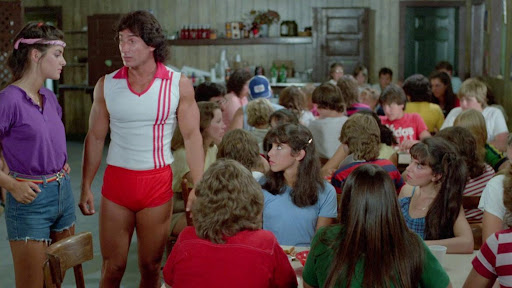
‘Sleepaway Camp’ in particular demonstrates the fluidity and overlap between the roles of camper and counselor. In this film, more than others, the two groups mingle and develop both adaptive and toxic relationships with one another. From scene to scene, it is often difficult to determine who is actually in charge. This reminds us that in such summer camp settings, the two groups, as different as their roles might be, have more in common than not.
From a psychological perspective, both groups fall into the same stage of human development as defined by Erik Erikson. His fifth stage of psychosocial development occurs from the ages of 12-18, which includes many, if not all, of the young people found in a camp setting. During this stage of life, Erikson hypothesizes that humans are navigating the dilemma of identity versus role confusion. They are asking the existential question “Who am I?” and looking primarily to their peer relationships to help gather data on their identity. This is one of the more vulnerable times for the slasher, a stand-in for the external and environmental challenges a young person faces, to attack. When the victims and heroes of our films barely know themselves and what they are capable of, let alone who they can turn to for help. Surviving a summer camp slasher can be viewed as surviving this most basic of human stages of development. The character who walks away from such a film has washed away their identity confusion, often with a literal shower of blood, and clarified their role. They are strong. They are independent. They are a survivor.
The lack of support available to young people in this genre of film is another of the reasons why the summer camp slasher is so effective. With the counselors serving as proxies for ‘adults’ in this environment, there are very few true protectors for our protagonists to rely upon. The camp environment is devoid of all the typical institutions one might turn to in a crisis, including parents, neighbors, school employees, police, and other emergency services. In most summer camp slashers, adults are noticeably absent, either not appearing at all, away from the camp attending to other business, or having only minor cameo roles in the film.
‘Sleepaway Camp’ serves as a good example of this absence. The only true adults appearing in this film are the director and the chef of the camp. They are not only woefully unprepared to protect the young campers and counselors from harm, but they are also actively harmful themselves, being depicted as sexual predators delighting in using their young charges for their own personal gratification. ‘Friday the 13th’ takes this to another level with Pamela Voorhees, one of the only adult employees of the camp, actually turning out to be the killer herself.
Away from the watchful gaze of their adult caregivers, summer vacations have the potential to be transformative experiences for young people. This impact can be heightened when the vacationer is venturing into the world on their own for the first time. Learning to be independent and lean on their own inner resources for the first time in their lives. Whether intentional or not, these themes have been powerfully connected in the summer camp slasher subgenre. As the horror community continues to evolve, inviting in the experiences of more diverse voices whose Summer experiences and relationship to independence have been very different, it will be fascinating to see how these themes continue to be explored in the future.


 NightTide Magazine
Leave a comment