By Tuğçe Kutlu

In The Hallow (2015), Corin Hardy doesn’t just unleash ancient monsters from the woods—he unleashes something far more terrifying: grief that grows wild and uncontrollable, like rot seeping into the walls.
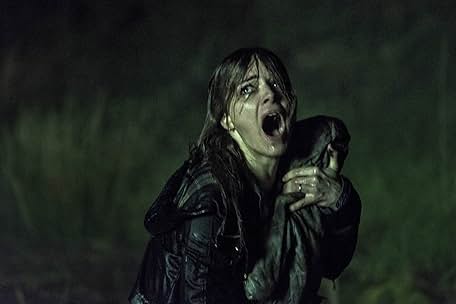
Set in a remote Irish village swallowed by rain and moss, The Hallow traps Adam and Clare and their daughter, Cora, (Joseph Mawle and Bojana Novakovic) in a battle not only against the forces of nature, but against their own fear of losing what they love most. It’s a film where storms don’t just rage outside; they creep into the mind, pulling apart certainty, identity, and safety. Like classics of environmental horror such as The Fog (1980) and modern entries like The Rain (2018), Hardy uses nature’s fury—flooding, decay, invasive spores—as both setting and attacker. But he goes one step further: nature becomes a living metaphor for grief itself.
Nature horror has always loved a good revenge story, punishing humans for trespassing (Murphy, 2014). The Hallow picks up that tradition, but binds it intimately to family horror. The creatures that swarm the woods aren’t just monsters; they’re the physical embodiment of parental terror—the primal, heart-shattering fear of a child being taken, transformed, or lost. Drawing from Irish changeling legends (Bourke, 1999), Hardy makes the natural world a conspirator in the family’s unmaking.
The rot and storm damage that invades their home isn’t just set dressing. As theorists like Timothy Morton argue, nature in horror is often an “uncanny presence” that refuses to stay outside human boundaries (Morton, 2007). In The Hallow, that uncanniness is devastatingly emotional. The family’s grief, guilt, and desperation seep through every soaked floorboard and shattered window.
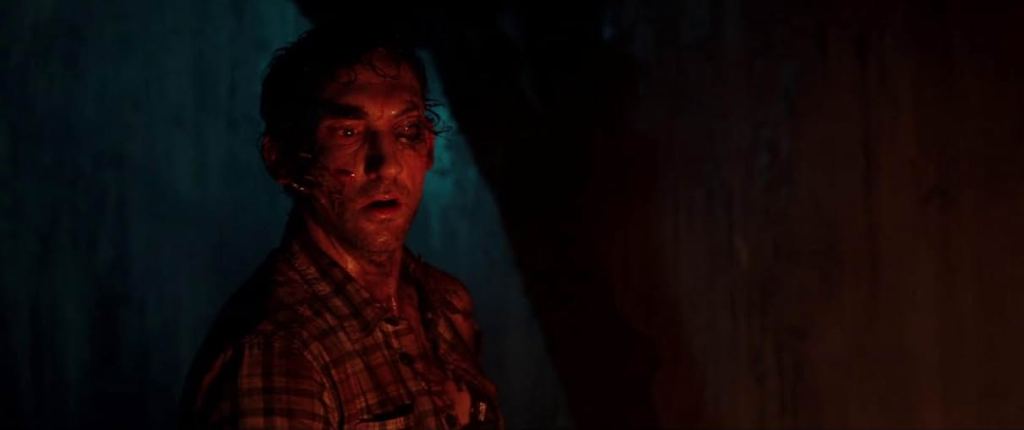
At its core, The Hallow is a textbook case of what Murray and Heumann (2009) call “eco-horror,” where monstrous natural forces become mirrors of human vulnerability. But Hardy’s vision is rawer: his creatures aren’t evil, they’re inevitable, just like mourning itself. Once grief roots itself, no wall—literal or emotional—can hold it back.
Even by the end, Hardy offers no real “clean win.” The question hangs heavy: if grief changes everything it touches, can you ever really go back? As Thomas Laqueur (2015) reminds us, mourning doesn’t just mark the dead; it transforms the living. The Hallow understands that horror. It doesn’t flinch from showing that loss, like black mold, spreads—often unseen—until it claims everything.
For those who crave horror where the terror isn’t just in the monster’s teeth but in the soil under their feet and the sorrow in their chest, The Hallow is one of the most haunting nature horror films of the past decade. Watch it on a rainy night—and listen closely to what the forest is mourning.
References:
Bourke, A. (1999). The Burning of Bridget Cleary: A True Story. Pimlico.
Laqueur, T. W. (2015). The Work of the Dead: A Cultural History of Mortal Remains. Princeton University Press.
Morton, T. (2007). Ecology Without Nature: Rethinking Environmental Aesthetics. Harvard University Press.
Murphy, B. (2014). The Rural Gothic in American Popular Culture: Backwoods Horror and Terror in the Wilderness. Palgrave Macmillan.
Murray, R. L., & Heumann, J. K. (2009). Ecology and Popular Film: Cinema on the Edge. SUNY Press.



 NightTide Magazine
Leave a reply to 5 Must Read Horror Articles 5 May 2025 – This Is Horror Cancel reply