By Ian Deleón
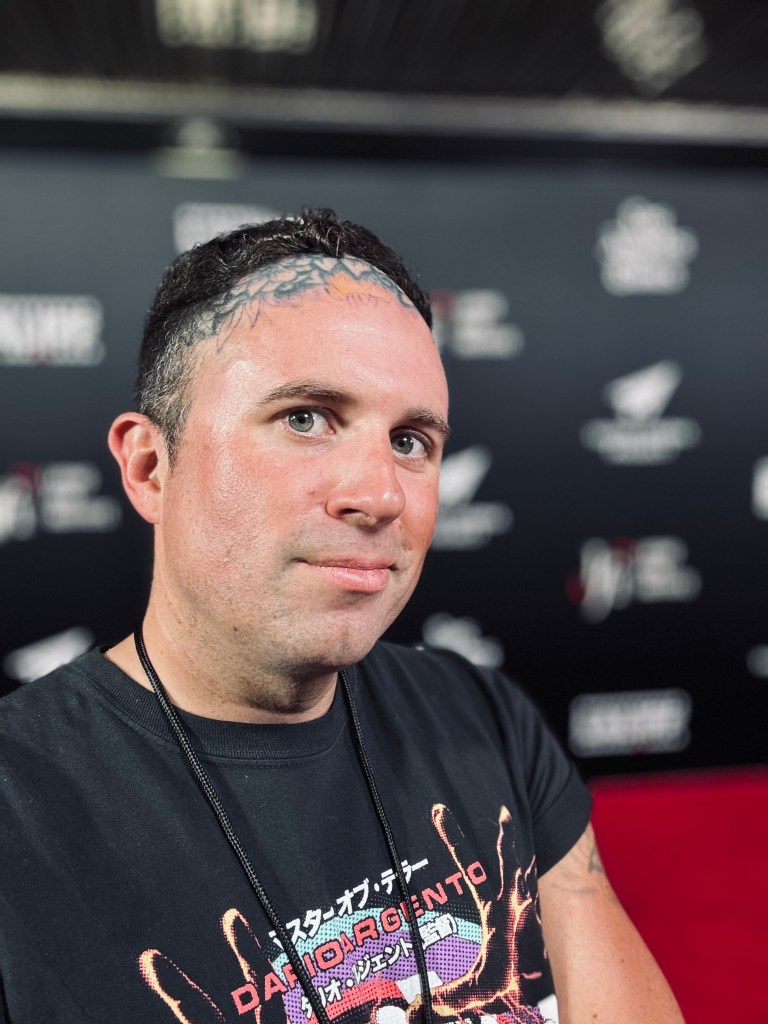
This year, the Los Angeles Latino International Film Festival played exactly two films in the horror genre, and I was there to cover them both for NightTide Magazine. It’s a Friday night in Hollywood, the 30th of May, so just a fortnight away from the civil unrest that is currently engulfing the city in the wake of relentless and indiscriminate ICE raids on our immigrant community. The weather is balmy for the third night of LALIFF, currently in its 24th iteration at the historic TCL Chinese Theaters. It’s the Los Angeles premiere of two films: Shaman (‘25) and Hour of Blood (‘24). Both will deal with histories of trauma in their own unique ways through clever manipulation of expected genre tropes and a dagger-sharp sense of story, character, and perspective.

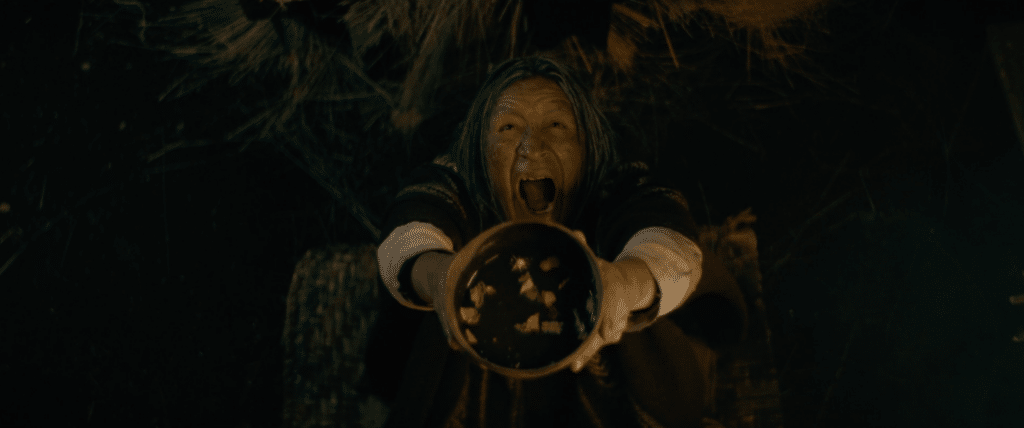
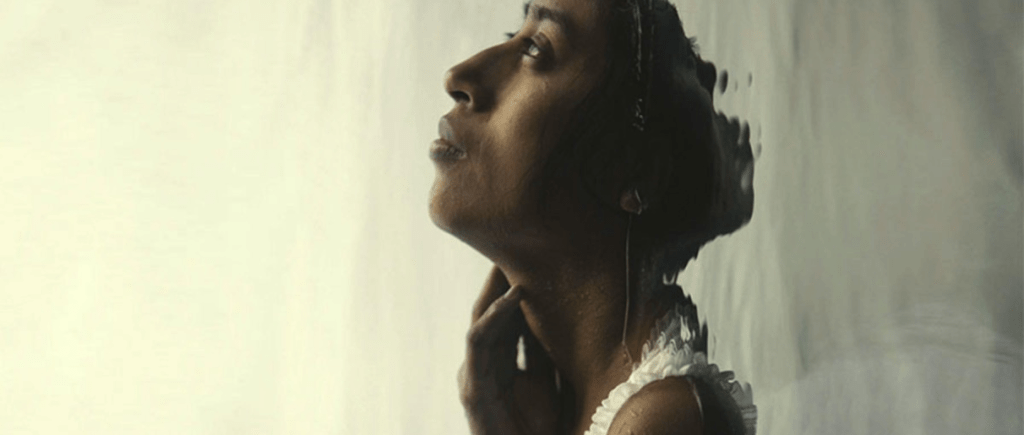
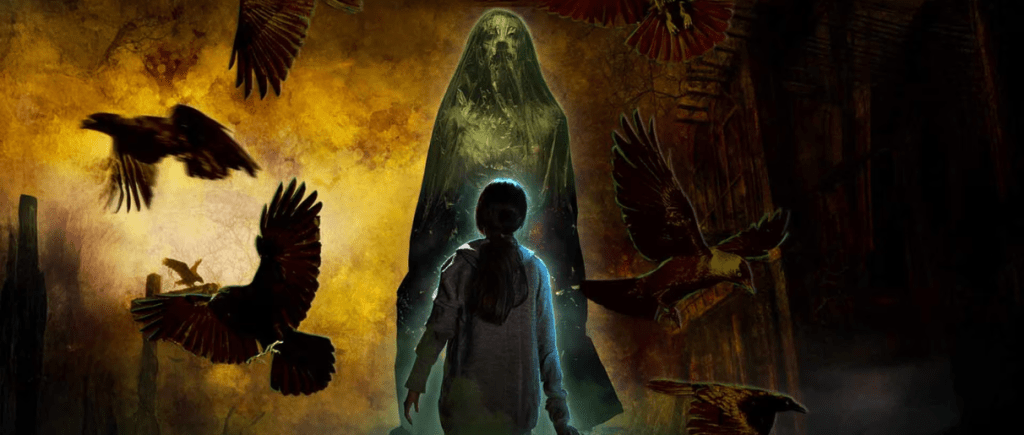
Shaman is the headliner, a feature film written, produced, and directed by members of the Negret family. Led by veteran television director, Antonio Negret (Riverdale, Chilling Adventures of Sabrina), this fresh twist on the well-worn possession subgenre takes place in the shadow of the Chimborazo volcano in the Ecuadorian Andes. Here, instead of a little girl, a young boy, the son of an American missionary family building a church for the soon-to-be-converted locals, runs afoul of a well-known urban legend and becomes possessed by an old god of the indigenous population. The film unravels methodically, building up the relationships and divisions amongst the inhabitants in fluid exchanges of English, Spanish, and Kichwa, painting a complex portrait of characters that feel rounded, surprising, and, well, self-possessed. Most of the interpersonal drama here doesn’t come from the expected places. The story isn’t simply a vehicle to demonize the Catholic church and its missionizing efforts in the region. Yes, the white missionaries who are the film’s protagonists are indeed guilty, but not of being white, or even of being evangelical Christians. They suffer from a deplorable lack of self-awareness––particularly the boy’s mother, played captivatingly by Sara Canning (Dark Match, Creepshow, Influencer)––so much so that it is the indigenous population that often has to remind her about how to live according to her own faith. The students quickly become the teachers here. The indigenous characters (Mercy Lema, Lisandro Morales) are not victims; they have agency and their own subjectivities. We get a sense that the filmmakers are trying less to condemn any particular religion outright and instead seek to criticize the assumption that any one set of beliefs has all the answers. Faith, seemingly inert in its natural state, becomes a weapon in the hands of the dispossessed and the desperate, a theme echoed in one of Negret’s cinematic influences, 1988’s The Serpent and the Rainbow (about orthodox voodoo practitioners and extreme zombie-makers in Haiti). Shaman isn’t preachy, though, and it deploys the stunning power of the surrounding landscape similarly to Terrence Malik, to suggest sublime ambiguity and encourage ponderous silence. Speech and knowledge are inextricably linked in this film, which makes much of the closed, ancestral language and the prudence of remaining opaque. In Shaman, the gods can be petty, even cruel, but they seem to operate along a predetermined path, their actions feeling instinctual or consequential, rather than solely malicious. It’s the humans, on the other hand, who can appear paper-thin, naked in their motivations and shown acting out of calculated self-interest, ready to betray their supposed core values as well as each other at the slightest signs of trouble. The film’s problem is not so much that the boy has been possessed, but how the family reacts when he’s possessed; that’s at the crux of the story. For the people of the Chimborazo, it is what they do with the facts that constitute the real horror at the heart of this subversive folk tale. But don’t worry, there’s plenty of genre-friendly scares in this well-executed thrill ride to appeal to the body as well as the mind.
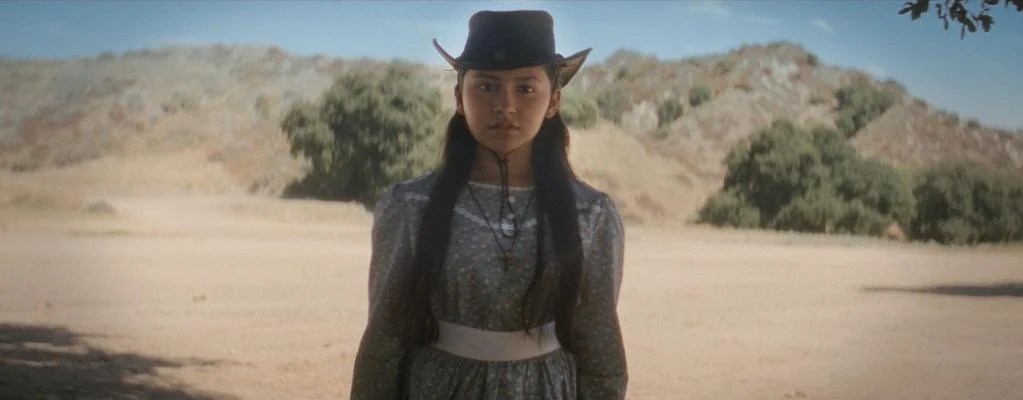
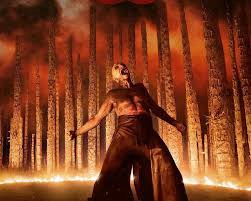
Shaman was preceded by a wonderful short film, Hour of Blood, written, produced, and directed by Marcella Ochoa (Madres, Worry Dolls). The San Antonio-born filmmaker squeezes a poignant history lesson into a tight seventeen minutes, reminding us of the dark origins of the Texas Rangers, who in the early 1900s participated in a decade long streak of anti-Mexican violence involving massacres and lynchings during what became known, sardonically, as the “Hour of Blood” or “Hora de Sangre”. In the film, which the director compared to Pan’s Labyrinth, for its focus on young female subjectivity in the face of terrifying and overwhelming events, a Mexican girl is tasked with holding down the homefront while her father goes out to try and get ahead of these horsebacked demons that have been ravaging their countryside. We see the world through her eyes, a lens for whom the extreme violence and cruelty of day to day life has not yet become commonplace. Therefore, the girl makes it fantastical, paradoxically making the horror easier to digest. She envisions the hellish nocturnal landscape (shout out to the gorgeous SilverStrand movie ranch in Castaic, California, doubling here for Texas) bathed in blood, rendered in sumptuous saturated hues by cinematographer Abraham Martinez (Cobra Kai, Queen of the South). As the “monsters” encroach closer and closer onto her land, the young protagonist (played by newcomer Isabella Leon) must draw from her inner strength to see through the protective illusion she’s created and fight back against those who would stalk and desecrate her family’s land. Together, both films we watched that night sit comfortably within the legacy of their respective genres; the possession film, the ominous western, but they’re able to infuse their narratives with characters that break the mold of Hollywood tropes and thus bring new, welcomed blood into familiar situations. Given the atmosphere of anti-immigrant rhetoric coming from the highest seats of power in our nation today, and around the world, it felt great to celebrate the voices of these Latinx filmmakers and to share in these stories, where the only border that truly matters is the one between the living and the frighteningly supernatural.


 NightTide Magazine
Leave a comment