By L. Marie Wood
It’s historical fiction.
It’s an arthouse film heavy on social context.
It’s not scary.
It’s not for everyone.
It’s not (insert bucket here).
Don’t do that.
Don’t strip the film down to its base form and pull pieces away from it to form the context that best suits the narrative. I’m speaking specifically about the movie Sinners, but the same could be said for many films that fall into the Black Horror category (note that I didn’t call it a subgenre, because race should not, itself, a genre make). The tendency to label and categorize, to put things in boxes, is profoundly real when it comes to diversity; the very idea that minorities can bring a spin on a tried and true concept that will be fresh, new, and poignant is seemingly foreign. Further, the notion that a piece can be more than one thing and be comprehensively all of them at the same time is often challenged by the keepers of the kingdom, the established, the collective “them”. This mindset held the belief that to be effective, an author must choose one genre for their story, or else they will be labeled a novice, unpolished, and amateurish. It haunts marketing sheets and push lists when new work is promoted. It is the barrier between experiences, why cultural groups remain segmented even in what is deemed to be a melting pot society, perpetuating the fallacy that because experiences are different, they can’t be understood by all. But stories are designed to bridge those gaps, to traverse those lines, and make inroads. Call it edutainment, if that makes it go down easier, but recognize the core value of a story being told from a different perspective than the one you occupy. It’s what point of view (POV) is designed to do by definition.
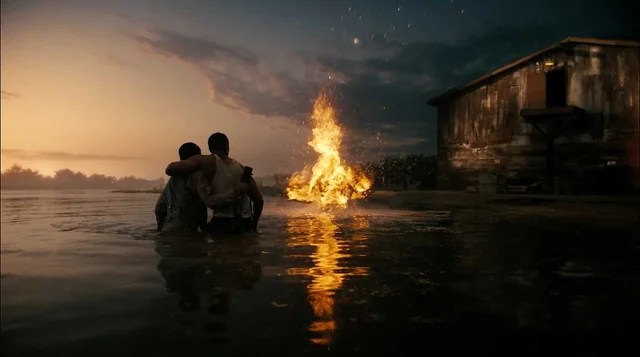
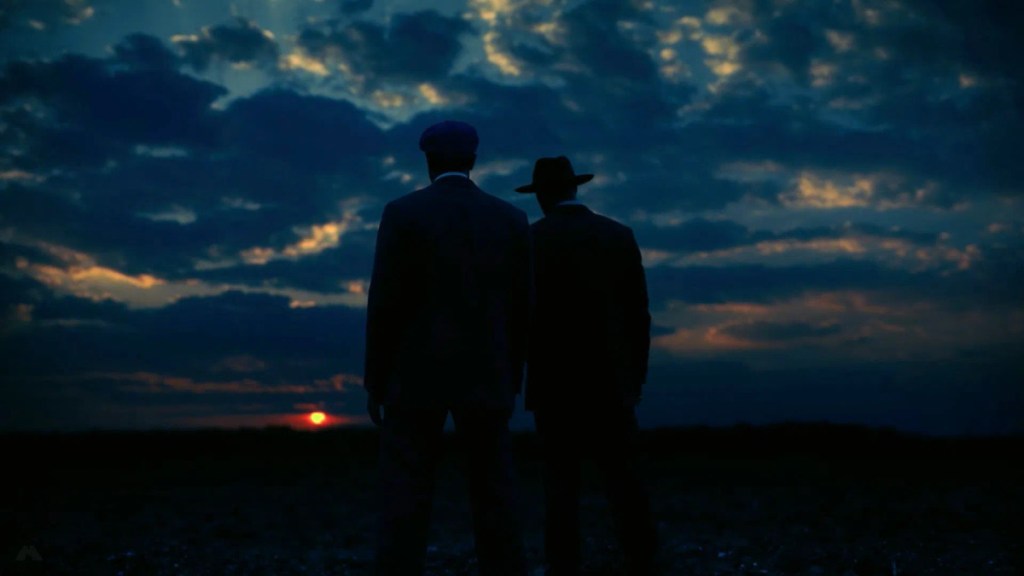
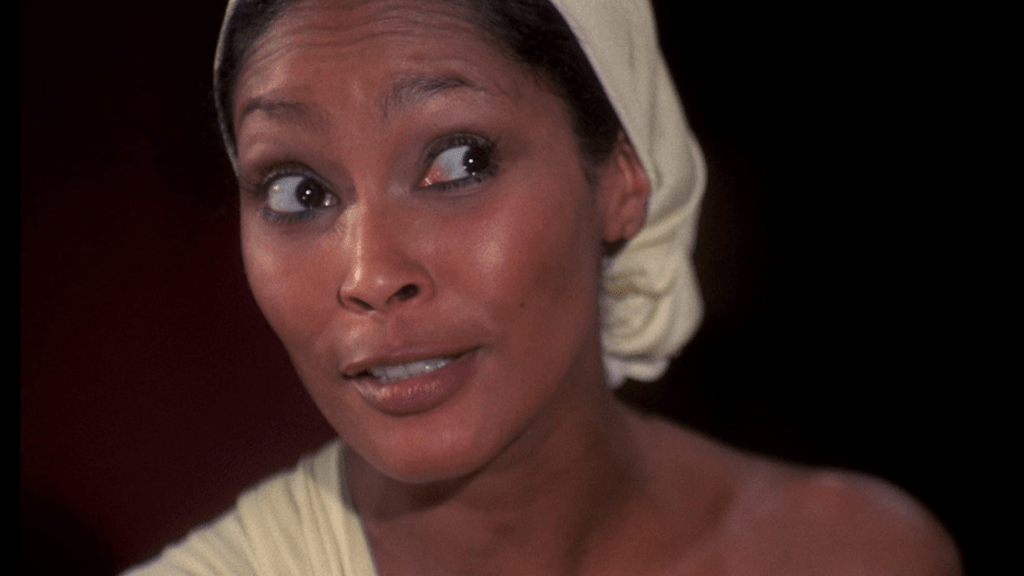
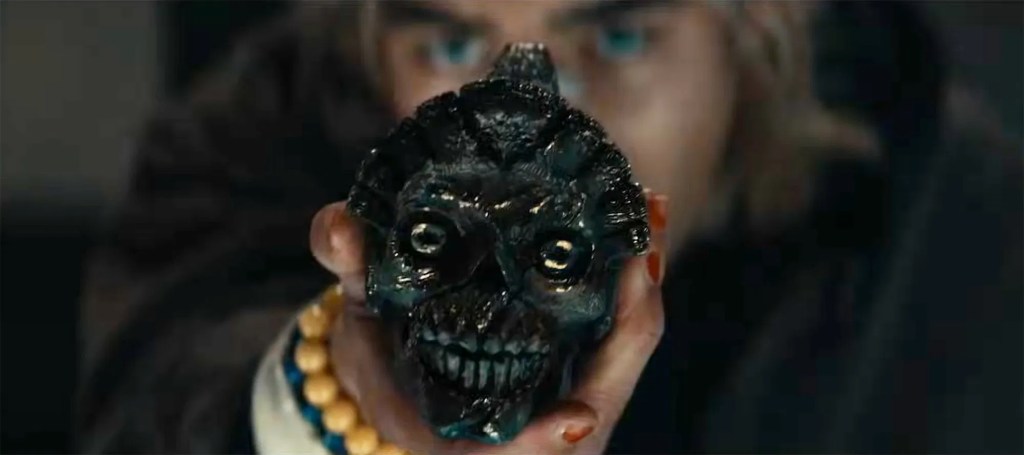
Sinners is one of those films that manipulates POV deftly, making viewers think about what they saw, think about what it really means… just like good cinema is supposed to. Part historical fiction, part southern gothic drama, part revenge porn, part vampire flick. But also, commentary on music appreciation, religion, cultural appropriation, and race relations. The concepts are not covered in equal measure, but do they have to be? The overarching story was that of a vampire attack on a gathering of people. The subplots dive into deeper intricacies that create connections and inform the decisions made by the characters in the larger tale. In that way, this movie has it all: life in the Jim Crow South, allusions to what living in the North is like, the looming presence of the Mafia, the threat of the Klan, sharecropping, Black love, interracial relationships that run the gamut of business, friendship, adversarial, romantic, and, of course, vampires. Can’t forget the vampires. Should something be removed because it wasn’t the dominant element of the story? Should the love story in the Indiana Jones franchise have been removed? Sinners tells the well-rounded story of the people who come together to fight for their lives under the onslaught of the vampiric trio, and in doing so, the complexities of their lives are brought to the screen. It’s good storytelling. Comprehensive storytelling. The complex themes make this film all the more frightening. Removing any of the elements would impact the integrity of the story. Indeed, focusing on any of the elements and not the collective whole changes the takeaway, compartmentalizes it, and reduces it.
But this isn’t the first time we’ve seen this happen.
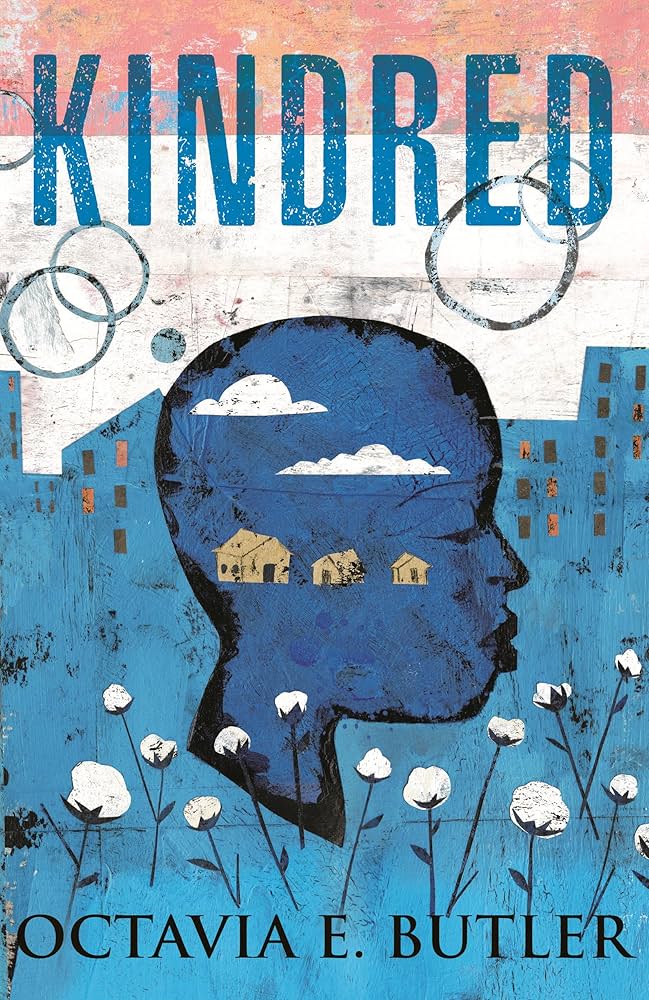
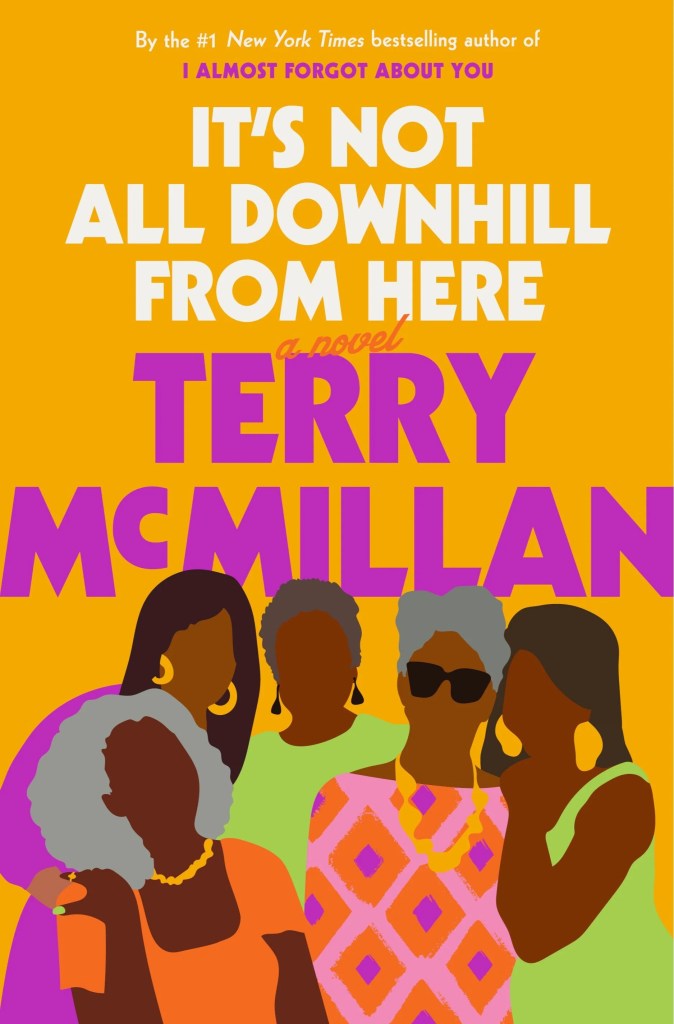
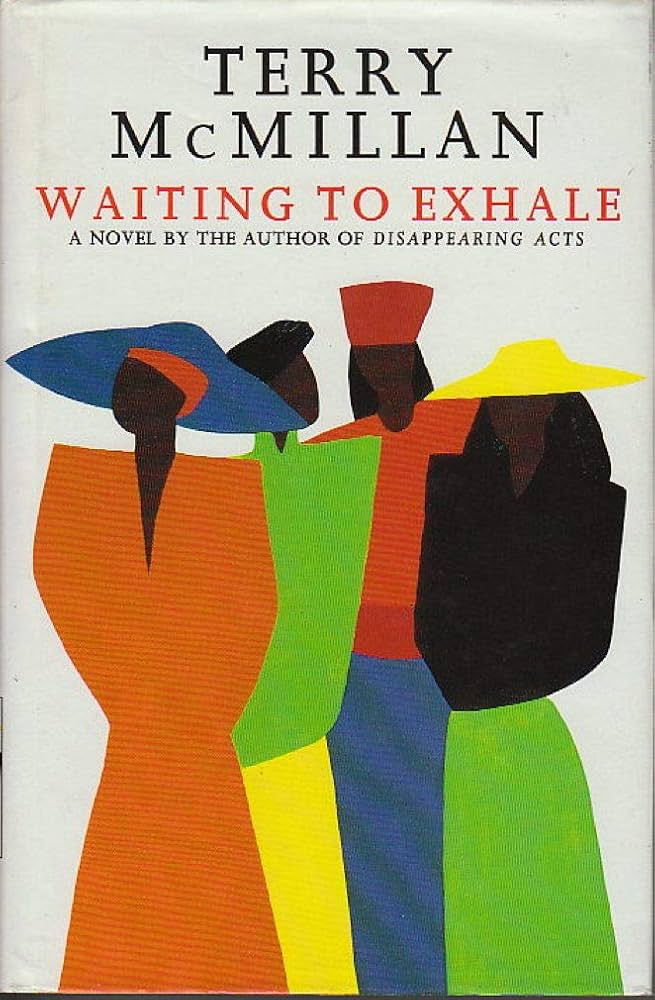
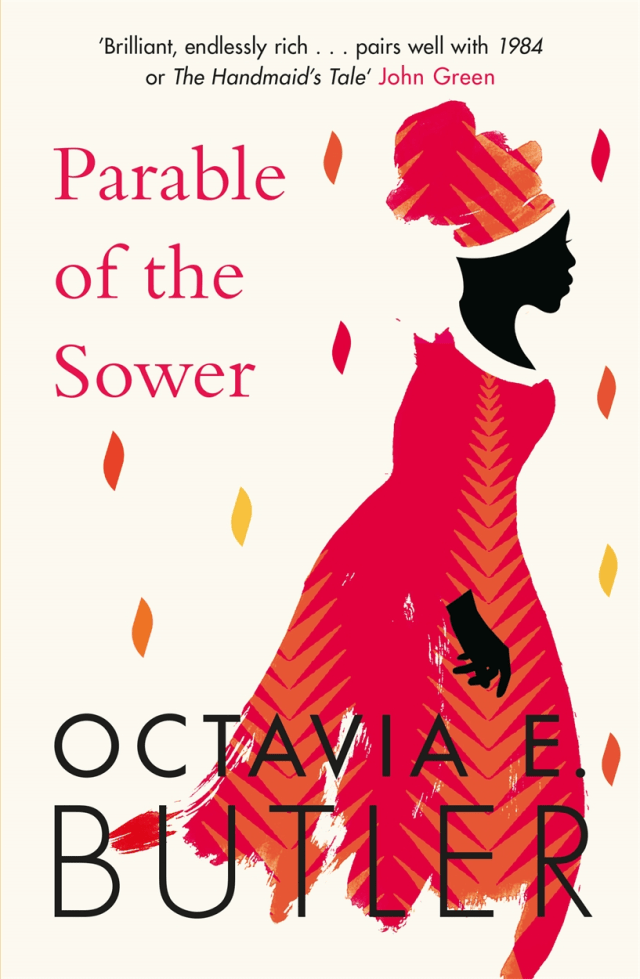
The idea that Black creators are somehow different from any other creators has always been implied, if not explicitly stated. When brick and mortar bookstores were the standard way to purchase books, authors like Octavia Butler and Terry McMillan’s books were misclassified. Often, these authors were relegated to the “African American Literature” section of the bookstore rather than being shelved alongside their peers in science fiction, romance, or even general fiction sections. This severely impacted their readership. Observation and the subsequent lack of popularity and name recognition revealed that White patrons of the big box bookstores did not make their way over to the African American Literature section with any real frequency – neither did Asian Americans, Latinx Americans, or patrons of any other race. That section was treated very much like the reference books in a library or not visited unless there is a specific need for the material housed there. Black genre writers suffered veritable anonymity. Their respective genres suffered the muting of their voices as well, and they remained less diverse than they could have been.
The same went for films. The Blaxploitation films produced prolifically in the middle of the 20th century, with their exaggerated depictions of masculinity, bravado, and the inherently “hip”, perpetuated the notion of a marked difference between communities, encouraging the idea that there is little to no common ground between Blacks and Whites. The focus on showcasing these differences, celebrating them in a manner that appeared antagonistic, critical, and disparagingly humorous, further cemented the idea of separation and encouraged the “other”, though not necessarily the way it manifests in current media. This practice alienated White viewers, having a polarizing effect as opposed to a unifying one. What was discovered was that characters created to embody the stereotypical characteristics that society has been groomed to recognize as Black perpetuate the same problem that the concept of tokenism does: these characters create a false reality of acceptable Blackness and paint a whole subset of people with the same brush. This practice results in an effectual segregation of Blacks and Whites inasmuch as separate products for separate audiences do. When Black Horror replaced Blaxploitation in the 80s and 90s, it was considered an extension of that separation. This distinction continues to dog output today as perception is slow to change.
See where I’m going here?
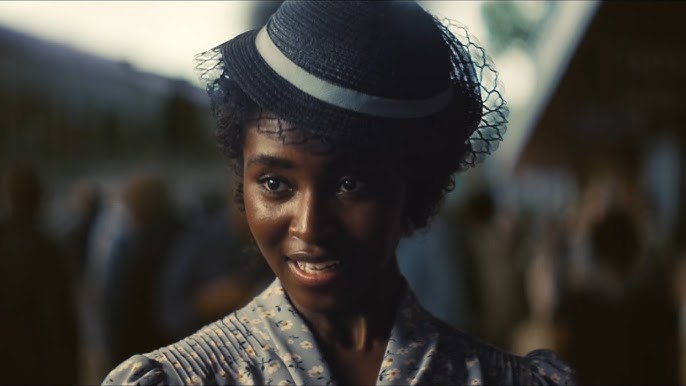
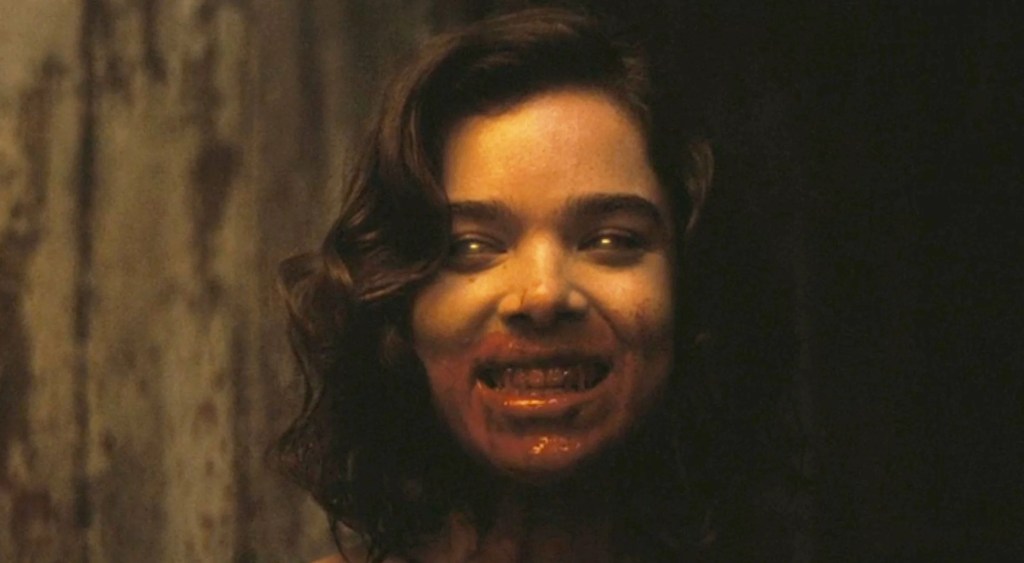
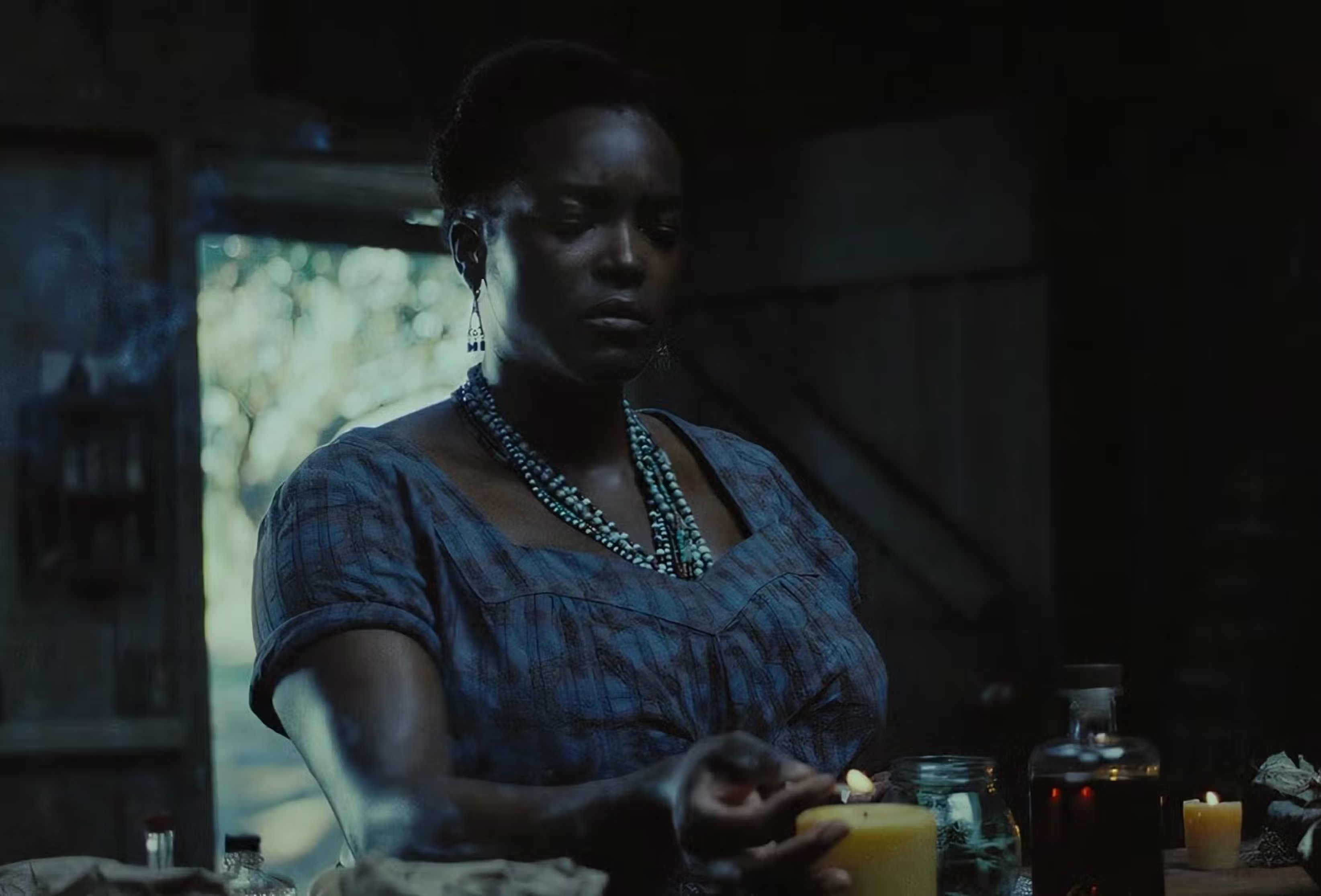
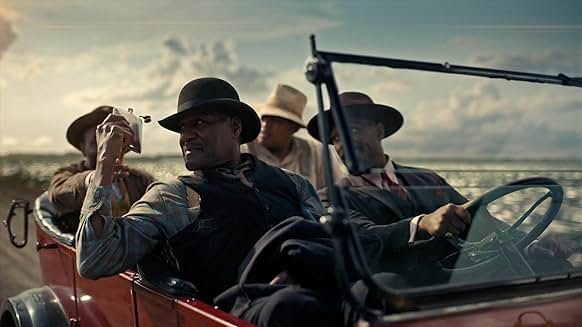
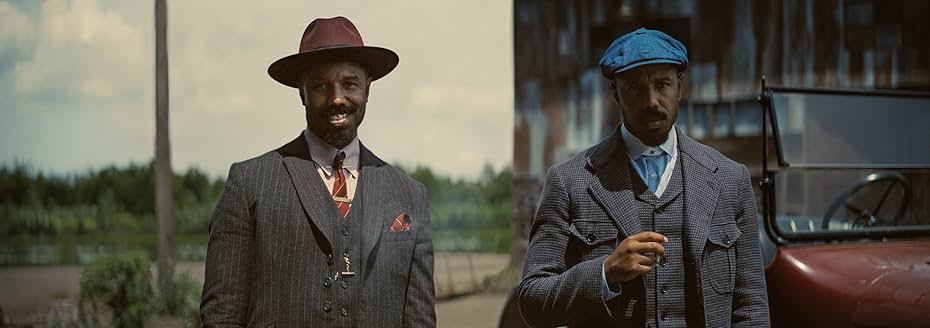
Sinners is a beautiful mash-up of the things that make good horror – a little bit of realism, a little bit of history, a sprinkle of mystery, a heaping of thriller, some love, some music, some laughter and good times, and an ancient evil. To limit it to one category is to reduce its impact, and if that is the goal, one should question why. Black creators do not enjoy the same agency in genre fiction and film as members of other communities do. Because of that, many Black creators do not claim the genres that their work clearly references, deciding instead to remain more mainstream (read palatable… parallel that with acceptable). This results in an inauthentic approach to their storytelling, which, by extension, limits their audience, the very thing they were trying to find. And why? Because the storyline checks off more than one box? Or is it because it pushes too many buttons?
Cross-genre and slipstream exist for a reason, and Sinners is their poster child, but if genre labels aren’t the concern and if we remove the subjective idea of what is scary and what is not from the table, all that’s left is the content… the story itself. Too raw? Not raw enough? Who are you or any of us to say? I’d submit that many of the components of this film taken individually would be horror enough, though the impact of the whole weaves together the storyline in grander fashion. But consider this: sharecropping and what that did to generations of families? Horror. The Klan’s persistent hold over communities even after formal disbandment? Horror. The Choctaw Indians and the implied history with the Irish? Horror, once you understand how it is twisted in the film. And the vampires… you can’t forget the vampires: classic horror antagonist.
Horror is not a monolith. There’s room for all kinds of social commentary in the genre. Sinners scratches both realistic and supernatural itches, all while singing the Blues.



 NightTide Magazine
Leave a reply to 5 Must Read Horror Articles 8 December 2025 – This Is Horror Cancel reply