By Sharai Bohannon
Black History Month is upon us, and that means we have 28 days of streamers willingly making room for Black cinema. This is the one time of year you can actually see stories about Black people in those “Black Voices” sections. This is why I am here with a quick rundown of titles that I plan to prioritize this month. I decided to present it as a timeline for other Blerds who want to take these titles in order. Here are 28 movies with Black leads and/or filmmakers that you should check out this February.
1. Night of the Living Dead (1968)
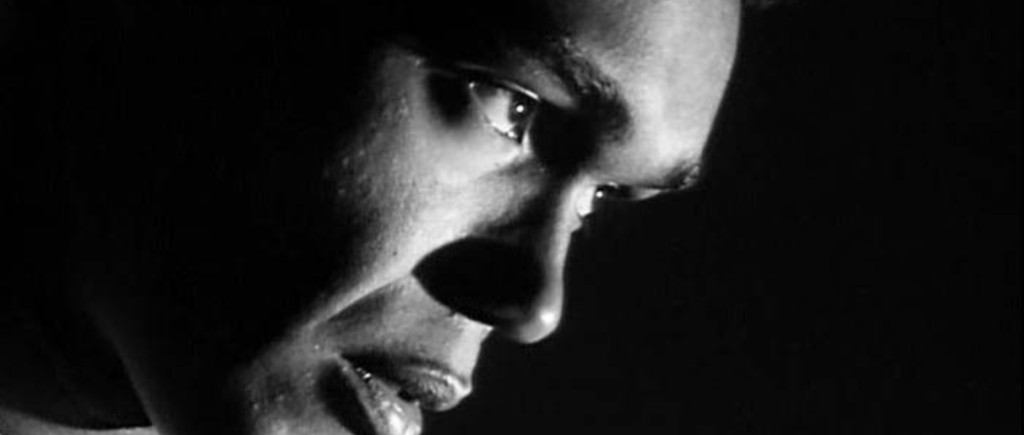
We all love this George A. Romero classic that changed the zombie subgenre. However, it is Ben (Duane Jones), a Black leading man in the 1960s, who is the reason Night of the Living Dead is so important to Black cinema. Watching him take control of the situation as he tries to save these people from themselves is too relatable on this side of 2016. Come for the undead and stay for literally everything.
2. Blacula (1972)
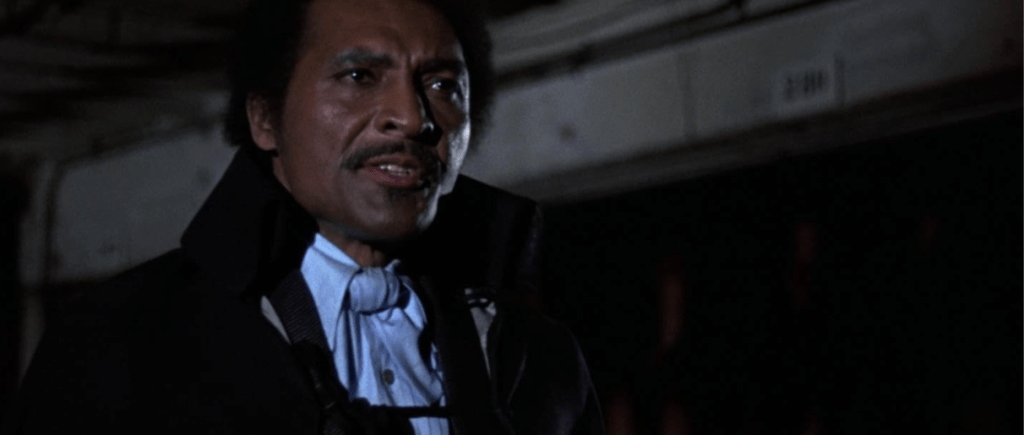
We went from background actors to leading vampires because of this film. William Marshall cemented his icon status, and this movie is in the DNA of movies that came long after it. I don’t care what anyone says, this is mandatory viewing for all horror fans. You are also required to watch it during Black History Month because those are the rules.
3. Ganja & Hess (1973)
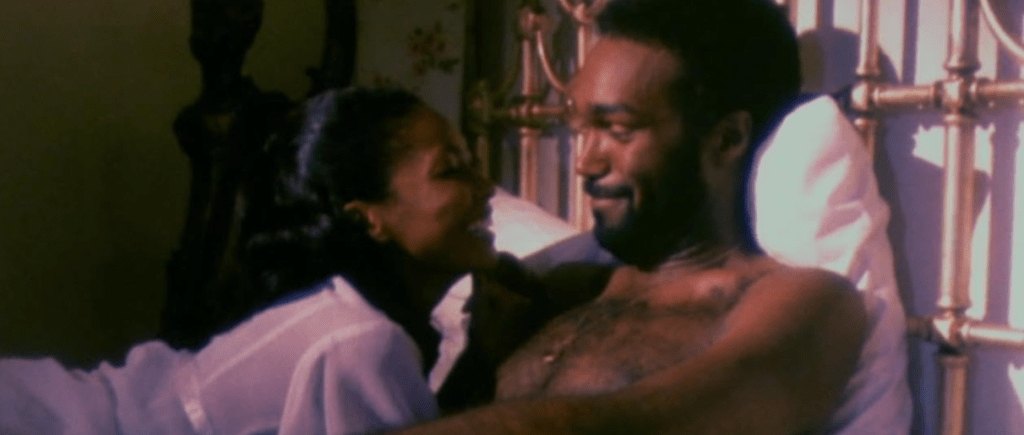
Marlene Clark and Duane Jones play the titular characters of this arthouse Black horror film. I wish that both of them, and filmmaker Bill Gunn, were alive today to see how often they are imitated, but never duplicated. I’m looking right at Only Lovers Left Alive and Bones and All. While this hot couple is a huge draw, there is so much more to love about this cinematic masterpiece.
4. Scream Blacula Scream (1973)
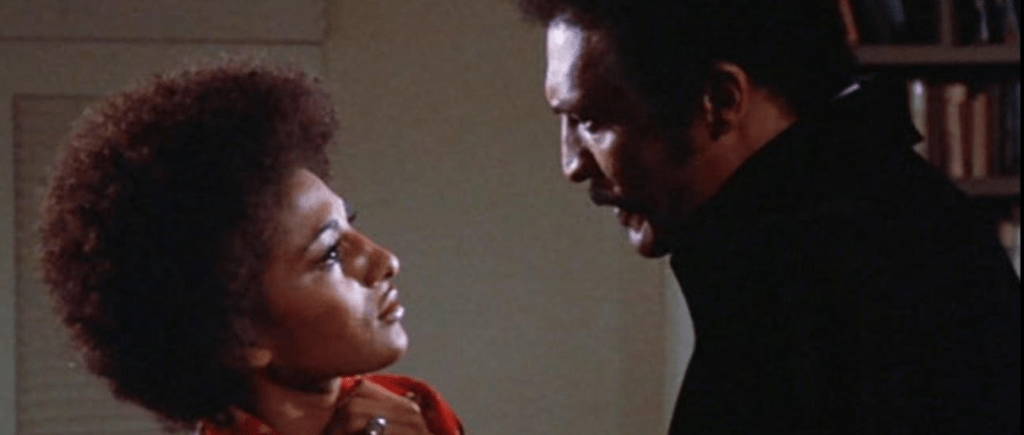
Our first leading vampire returned for a groovy sequel and brought Pam Grier and Richard Lawson along this time. This movie is the epitome of grown and sexy while serving Blaxploitation horror in a league of its own. You owe it to yourself to see if this toothy sequel matches the freak of its predecessor.
5. Sugar Hill (1974)
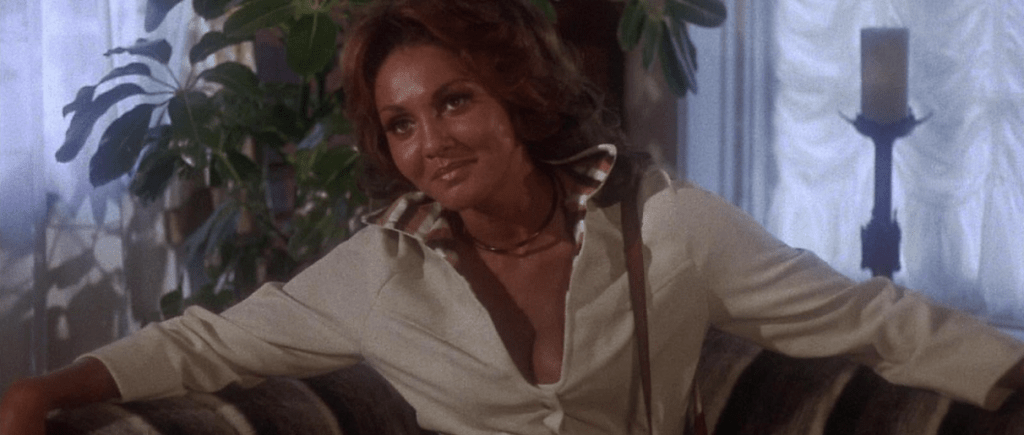
If there is one thing I love more than zombies, it’s Black ladies getting revenge. Luckily, Sugar Hill has all of that and then some. Diana Hill (Marki Bey) should have had her own cinematic universe. Not only was she a fashion icon, but she was unafraid to backhand a racist during business hours. No Black History Month watchlist is complete without her.
6. The Beast Must Die (1974)
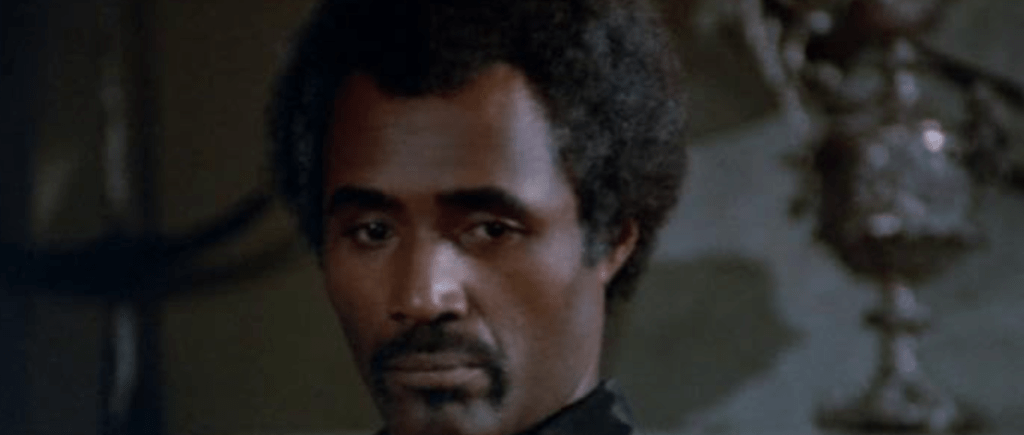
Long before one of my favorite films of this decade, Werewolves Within, Calvin Lockhart led an ensemble werewolf whodunnit. Lockhart seems to be having the time of his life as an eccentric and wealthy Black man who believes someone in his circle is a werewolf. The iconic Marlene Clark plays his wife in this over-the-top 70s moment that includes a “werewolf break” that gives viewers a chance to guess who the culprit is.
7. Abby (1974)
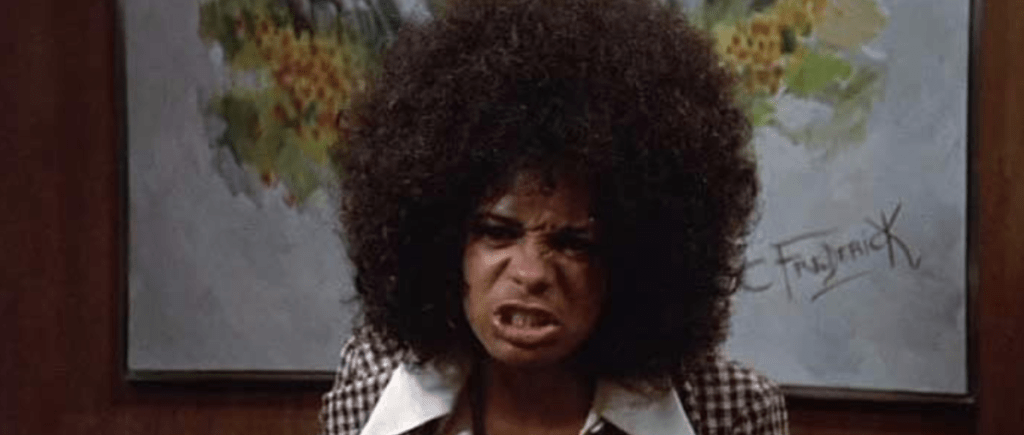
A Black exorcism movie that was pulled from theaters because Warner Bros were particularly racist in the 1970s. This film, starring the late blaxploitation icons Carol Speed and William Marshall, does not get nearly enough love. It’s always free on YouTube and Plex, so you should do yourself a favor and check it out this Black History Month.
8. J.D.’s Revenge (1976)
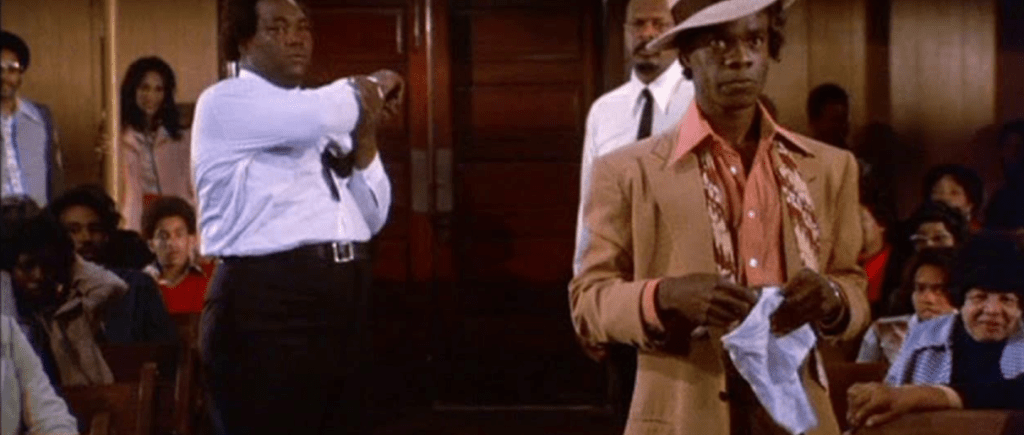
I recently argued that J.D.’s Revenge is a Shakespearean blaxploitation film that deserves more respect. This possession film might rightfully pull most people in when they see Louis Gossett Jr.’s name. However, Glynn Turman’s performance as a man fighting the vengeful spirit who is taking over his body is award-worthy. This film takes the stereotypes of the time and spins them into something that deserves your attention this Black History Month.
9. Vamp (1986)
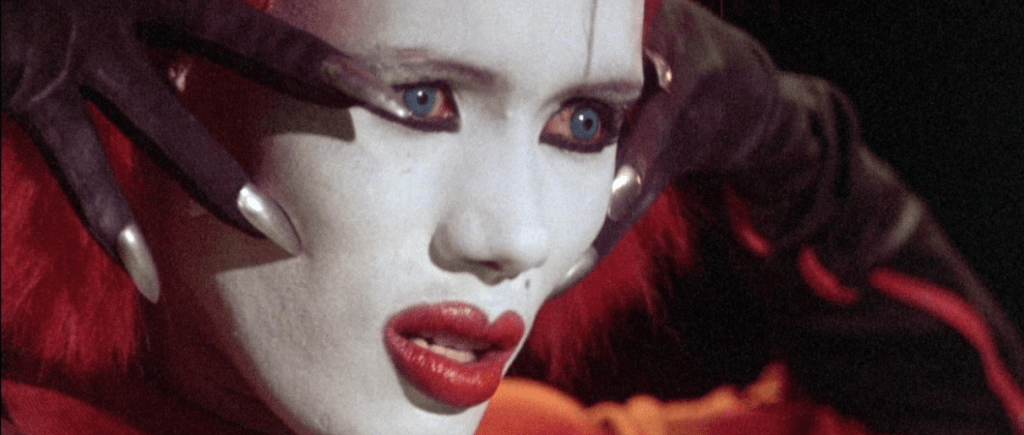
Sorry to whatever this movie was supposed to be about. It’s really a reason to watch Grace Jones serve face and rip out hearts. Katrina (Jones) steals scenes without saying anything and elevates this movie beyond its meager beginnings. Not only is this one of the most iconic Black vampires in film history, but she also gets one of the most badass entrances in cinema.
10. Def By Temptation (1990)
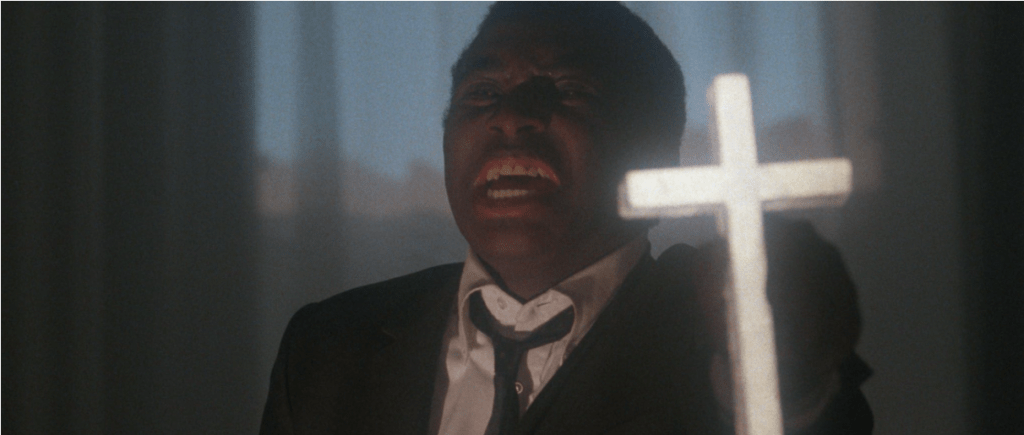
The religious overtones of this film were wasted on me as a child. I had a crush on Kadeem Hardison and really wanted to know more about succubi because of Temptation (Cynthia Bond). Every time I revisit it, I realize it’s also a lot more progressive than it should be for the era in which it was released. I also fell more in love with Ernest R. Dickerson’s cinematography. Do yourself a favor and make this one of the first watches of Black History Month!
11. The People Under the Stairs (1991)
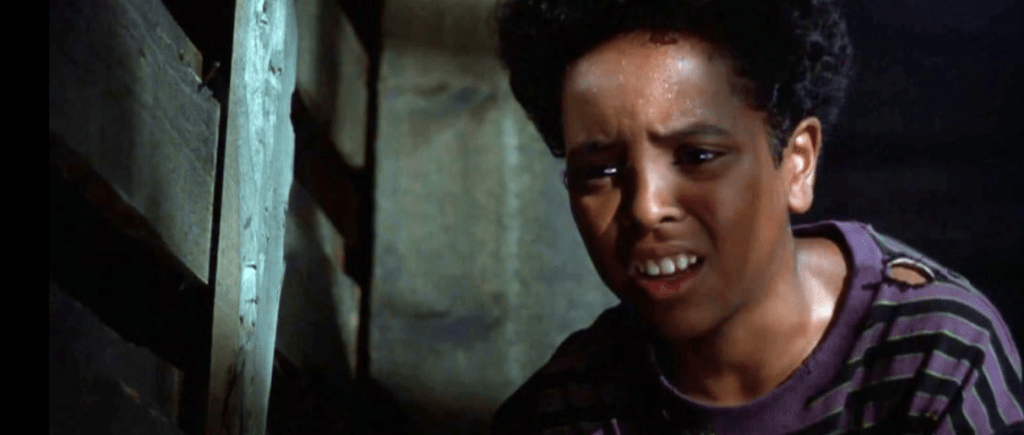
I love Wes Craven’s work. However, this one is special because we have a Black kid on a hero’s journey. Fool (Brandon Quintin Adams) is important to the culture. He is also one of the first times most of my generation actually saw ourselves in a feature-length film by a big-name horror director. There is no Black History Month list for Black millennials without The People Under the Stairs.
12. Candyman (1992)
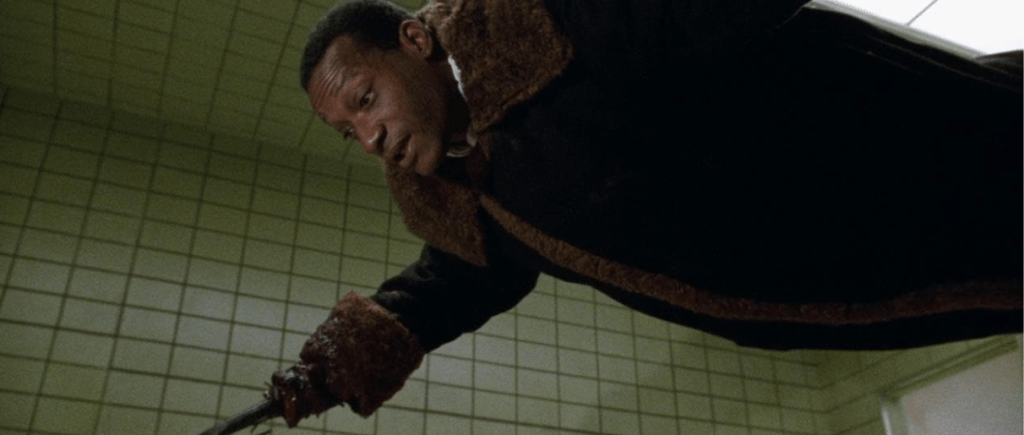
This movie stands the test of time because of the late Tony Todd. His gravitas, voice, and stage presence are the reasons we all keep coming back to the original Candyman. In a world where supernatural slashers were almost exclusively white, Todd used that hook to carve out a new suave villain. There would not have been any franchise potential without his commanding performance.
13. Tales from the Crypt: Demon Knight (1995)
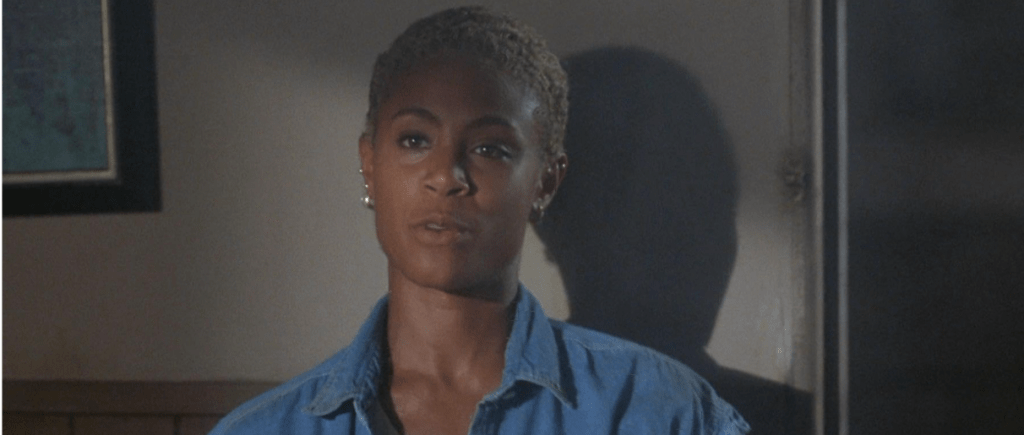
Filmmaker Ernest Dickerson changed the game and made a seat for the Blerds in the Tales from the Crypt universe. We love this genre, but we don’t have nearly enough Black final girls. Jada Pinkett and her short platinum hair changed the rules, and many of the POC final girls who came after owe her a huge debt of gratitude. This is required viewing the entire year, but especially during February.
14. Tales From the Hood (1995)
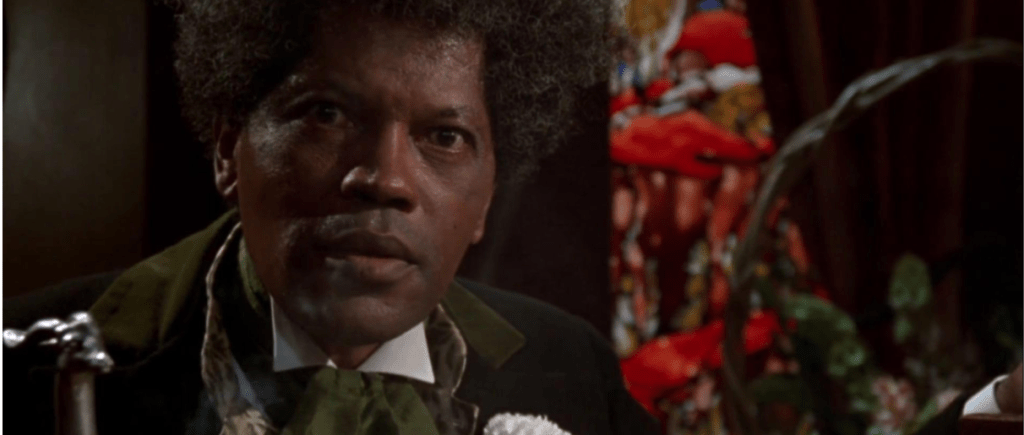
Tales from the Hood remains the best horror anthology to exist. Rusty Cundieff’s film manages to be funny without shying away from topics like police brutality, domestic abuse, and gang violence. This film allowed the late Clarence Williams III to give one of my favorite (and most quotable) performances of the ’90s. This is pure cinema, and I hate how it only gets more timely every time I turn on the news.
15. Vampire in Brooklyn (1995)
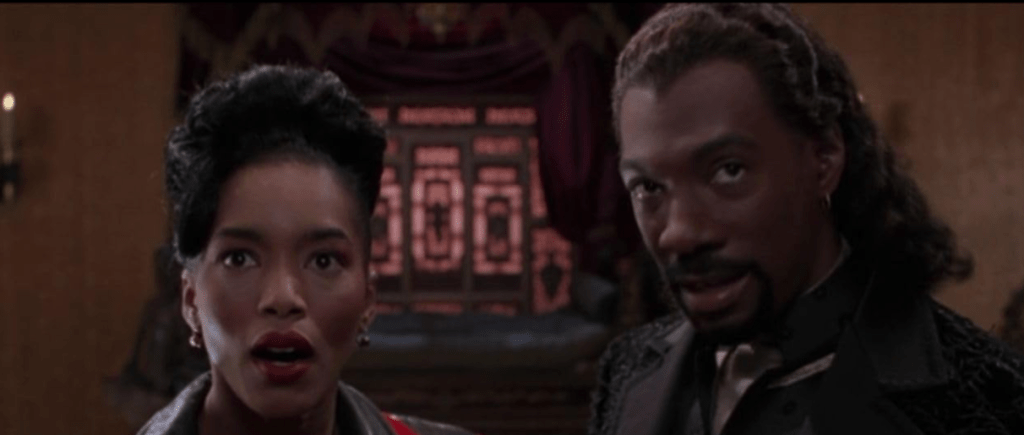
Eddie Murphy and company gave us a new Black vampire and made us laugh while doing it. It’s hard not to see the traces of Blacula in this film and love it even more for knowing its roots. This stacked cast also includes Angela Bassett, Kadeem Hardison, and the late John Witherspoon. Not all of the jokes are aging well (as is the curse of comedies), but there is still an embarrassment of talent on display here.
16. Eve’s Bayou (1997)
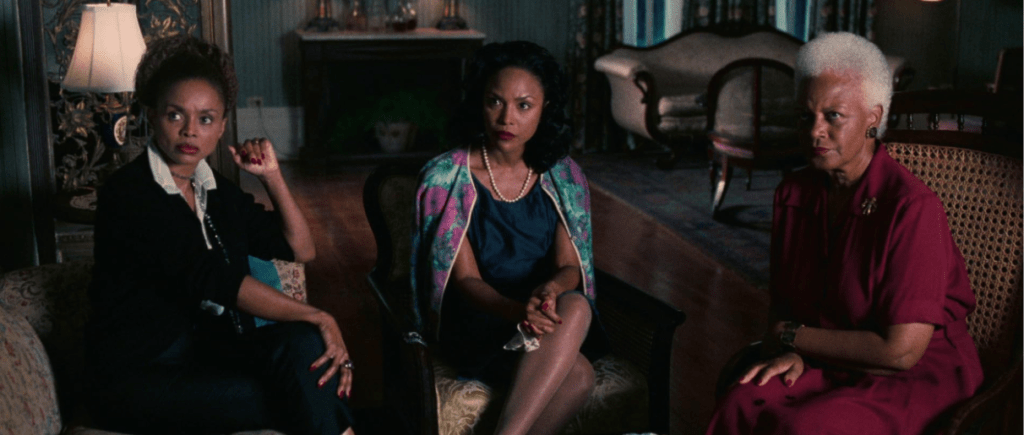
Eve’s Bayou is not just a Southern Gothic genre film about Black folks. It also has a star-studded all-Black cast doing some of the best work of their careers. Won’t Kasi Lemmons do it! This should be a film staple for everyone who consumes media and needs to be in everyone’s rotation during Black History Month. This film is art and reshaped everything we were told Southern Gothic horror had to be.
17. Blade (1998)
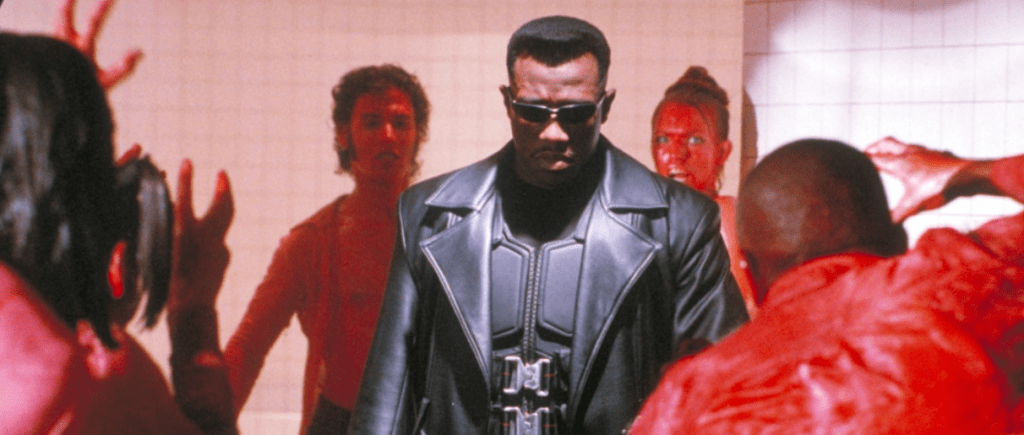
The Marvel Cinematic Universe wouldn’t exist today without Wesley Snipes and this action-horror film based on the Blade comics. This entire trilogy (even the bad one) was a moment in the 1990s. No one was as cool as Blade, and were you even a kid if you didn’t pretend to be a daywalker a couple of times? I’m pissed we’re never getting the new movie they have been dangling in front of us forever. However, that means we have to keep revisiting the original.
18. Bones (2001)
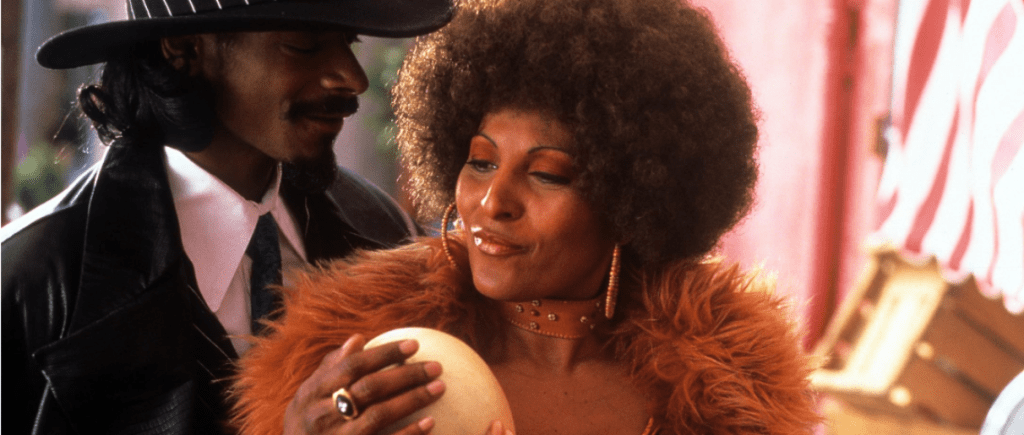
I know we don’t talk about Snoop anymore. However, before we lost that uncle, he did a couple of things right. Bones is one of them. Ernest Dickerson got a surprisingly good performance out of Snoop. More importantly, Pam Grier reminded people she will always be that girl as she helped bridge the movie with its Blaxploitation influences. Also, as a nerd, I live for all of the giallo influences.
19. Attack the Block (2011)

Due to John Boyega leading the squad through the unimaginable, the Blerds have claimed this film. Boyega is still one of the few Black actors who was able to drive a sci-fi action narrative of this magnitude. Usually, the only Black leading man allowed to battle aliens is Will Smith. So, Boyega is a legend for so many reasons. If this is your first year including this movie set in South London in your Black History Month celebrations, you’re welcome.
20. The Transfiguration (2016)
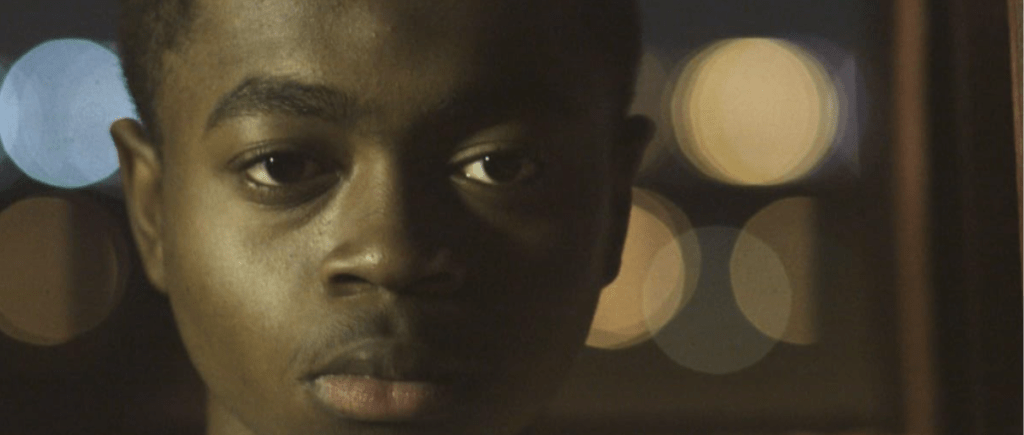
Eric Ruffin gives a heartbreaking performance in this indie vampire film. I love that this movie is aware of all the vampire movies that came before it. I also dig that it feels almost like a modern version of George A. Romero’s Martin. However, The Transfiguration stands out because of its unflinching depiction of a young Black kid who has started to believe he’s a monster who shouldn’t exist. If you cannot understand why that resonates for so many of us, you might need to watch it more than once.
21. Get Out (2017)

Few filmmakers enter the horror chat with something that shifts the culture. However, Jordan Peele is clearly not most filmmakers. While too many non-Black critics think most movies are “like Get Out,” I have yet to see any of those basic titles get into the same ballpark. We might have started off laughing at the usual relatable microaggressions. However, things turned left and sent us all on a journey of sheer terror as it introduced most Americans to Daniel Kaluuya.
22. Sorry to Bother You (2018)
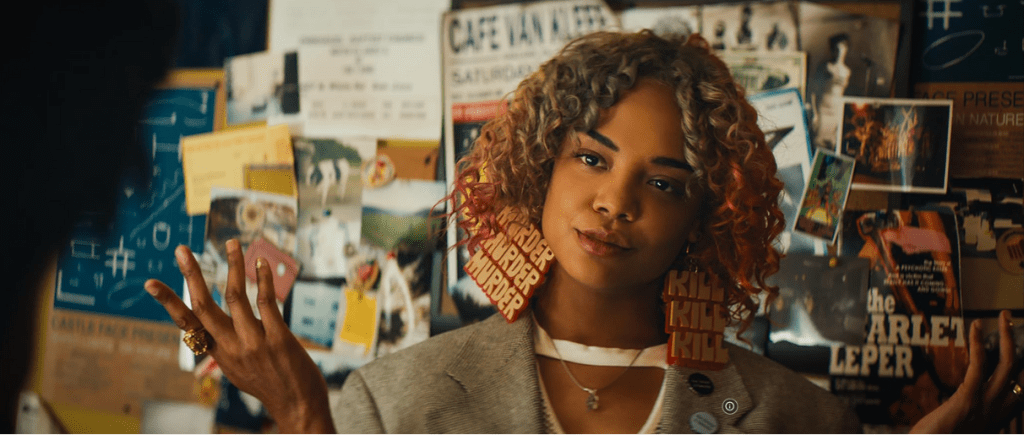
I am glad I saw Boots Riley’s genre-bending, chaotic ride in theaters. The worlds he creates deserve a larger canvas than my TV. This epic, funny, and at times weirdly relatable film tackles many topics before upending the whole table. This movie broke most of our brains in the best ways possible. Watch it this Black History Month as we await his newest film, I Love Boosters.
23. Horror Noire: A History of Black Horror (2019)
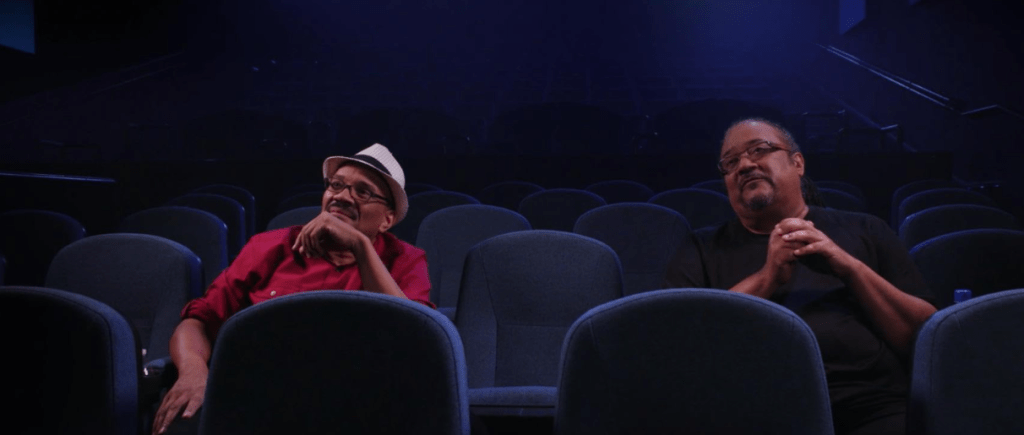
This documentary made me a better aspiring cinephile and film critic. Based on Horror Noire: Blacks in American Horror Films from the 1890s to Present, the film uncovers loads of hidden Blaxploitation gems. It also isn’t afraid to have real conversations about some of our favorite Black horror films. Horror Noire made me rethink everything I was told about the legacy of Black horror. It’s a must-watch for anyone with even a passing interest in film or Black history.
24. Us (2019)
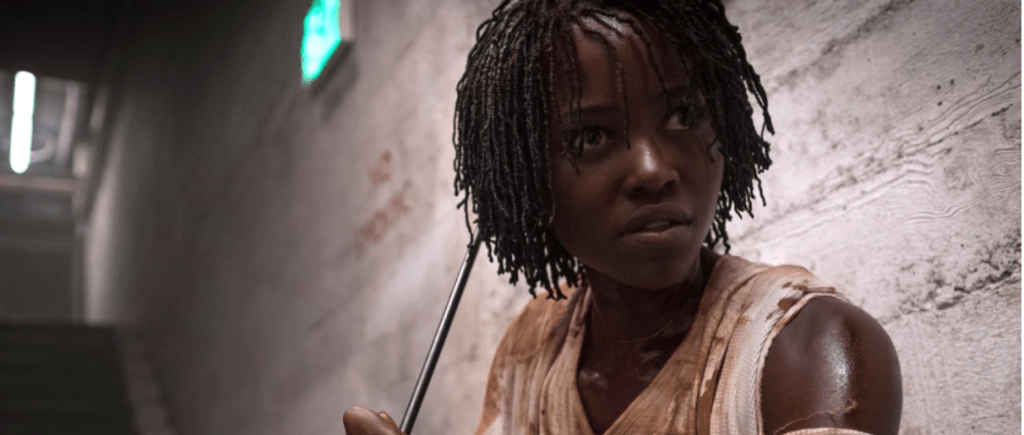
Jordan Peele doesn’t miss, and Lupita Nyong’o should have won an Oscar for both characters she played. Those are facts. This might be my favorite Peele film (so far), and I change my mind about so many of my theories every rewatch. While many people did not want to understand what this movie was saying, it’s only more obvious with every single viewing. Us is Peele at his most moisturized and unbothered as he reaches into his Alfred Hitchcock bag.
25. His House (2020)
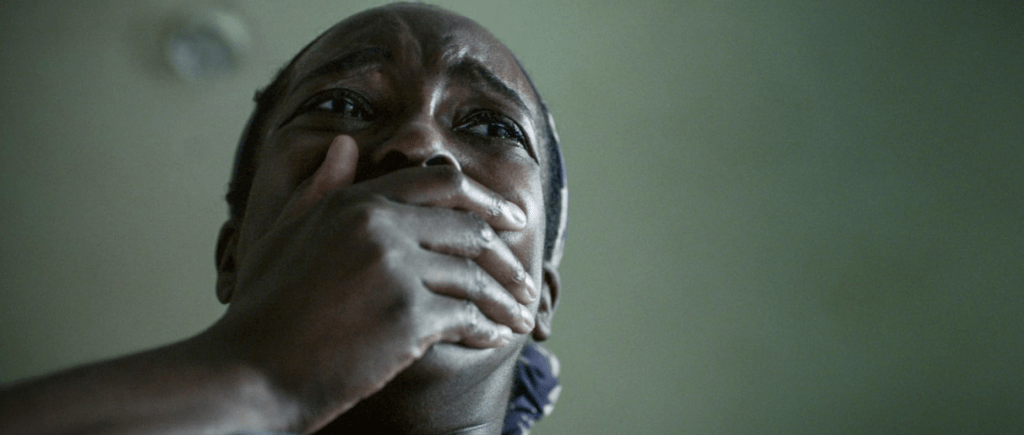
His House is easily one of the best movies of 2020 and the most slept on. Had people stopped pretending they couldn’t “find the time” to watch it, they would have already known to bet on Wunmi Mosaku before Sinners. The film is actually horrific in so many ways as it tackles displacement, trauma, and assimilation. Everyone who is still talking to Netflix needs to watch this and give Mosaku her flowers.
26. Candyman (2021)
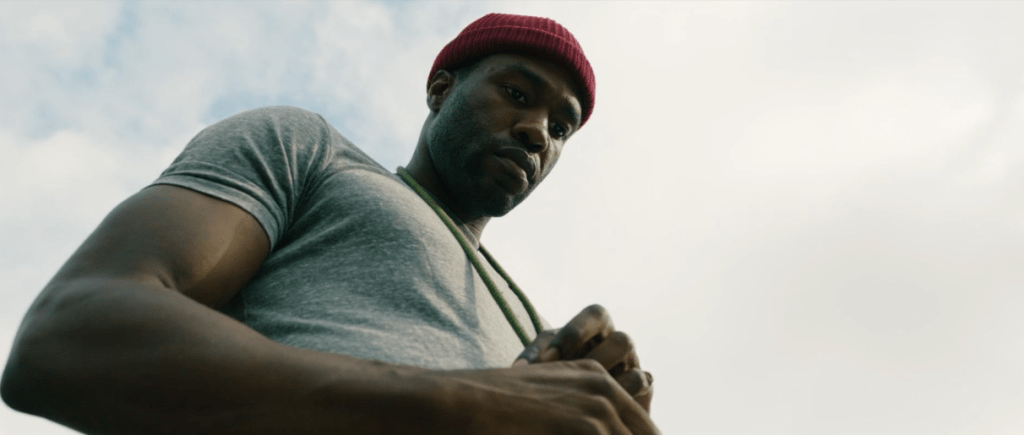
Nia DaCosta’s Candyman is everything this tale should be. It asks important questions while decentering whiteness in what should have always been a Black story. This is another stacked cast that all understood the assignment. Having a film about Black artistry that is art itself is priceless. This film reminds us that who gets to tell our stories is as important as the story.
27. The Blackening (2022)
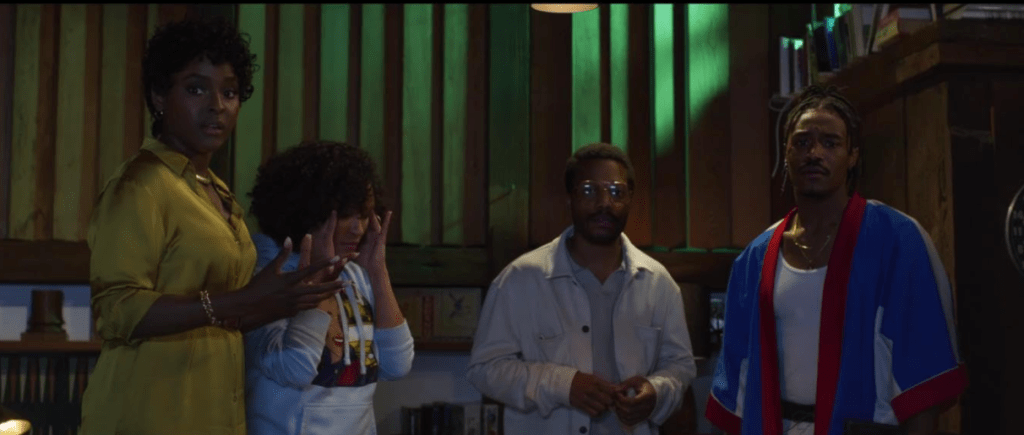
Tracy Oliver and Dewayne Perkins wrote a comedy that healed many of us. A majority Black ensemble film that laughs at the outdated trope of the Black guy dying first. This movie is funny and a vibe. Mostly because it is for the culture and actually understands the legacy of Black media. I know many people want to save their rewatches for Juneteenth. However, I need those people to know they can watch this one more than once a year.
28. Sinners (2025)
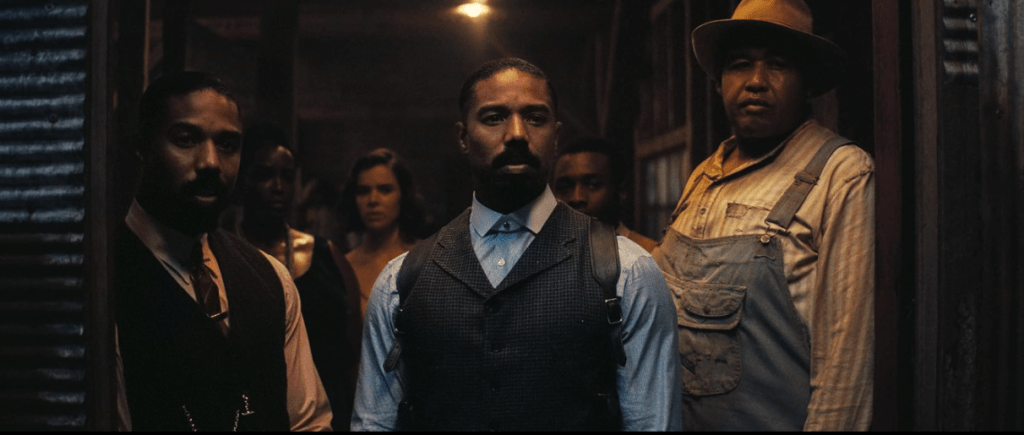
Ryan Coogler gave us one of the best movies of the decade. Sinners was so good that alleged critics and supposed new outlets started saying the quiet part aloud. It is hard to not see the care, love, and research on display in this film. It turned the ugly history of Southern America into a gorgeous musical art installation for one brief moment. Sinners reminded us that cinema is powerful, and that is why it has to be a part of all Black History Month celebrations.
While Black horror should be given more respect every day, I cannot help but get excited about tracking down all of my favorites every February. 28 days is not nearly enough to watch everything that deserves our attention. However, it’s enough to remind us that Black people continue elevating an industry that keeps trying to erase us. I hope you cram in as much Black art as humanly possible this Black History Month. I also hope you show up and show out for the filmmakers doing the good work all year long.

 NightTide Magazine
Leave a comment