
By Mo Moshaty
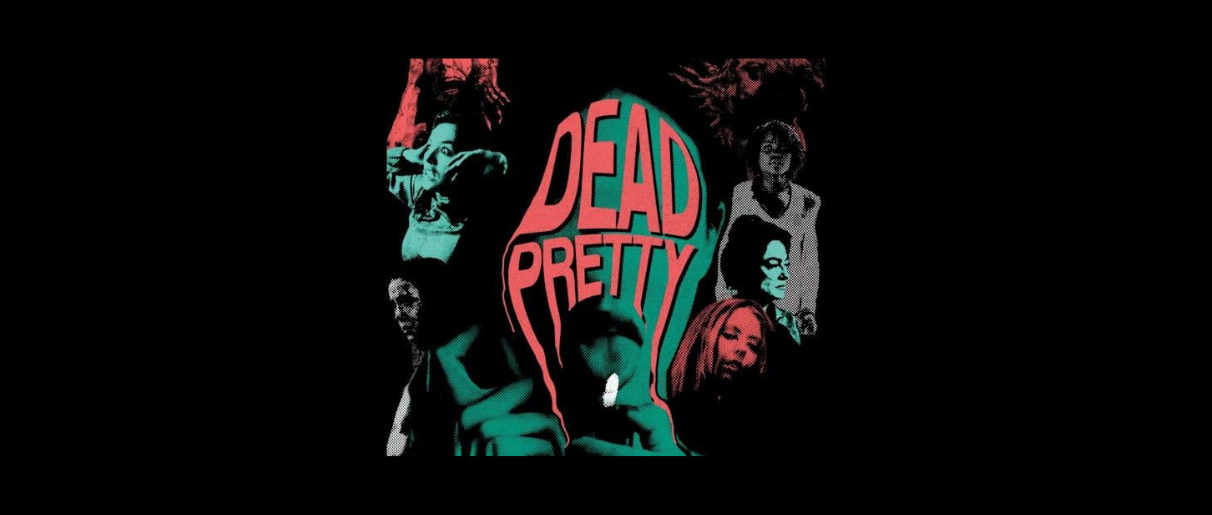
NightTide is proud to spotlight Dead Pretty, a new essay collection from The Nottingham Horror Collective examining the uneasy relationship between beauty, the body, and horror.

Independent horror publishing continues to produce some of the most thoughtful and adventurous writing in the field, and Dead Pretty: Beauty in the Horror Genre is the latest project worth paying attention to.
Currently crowdfunding through Crowdfunder, Dead Pretty is a forthcoming collection of 25 essays examining the idea of beauty across horror media, asking a deceptively simple question: what happens when horror turns its gaze toward beauty?
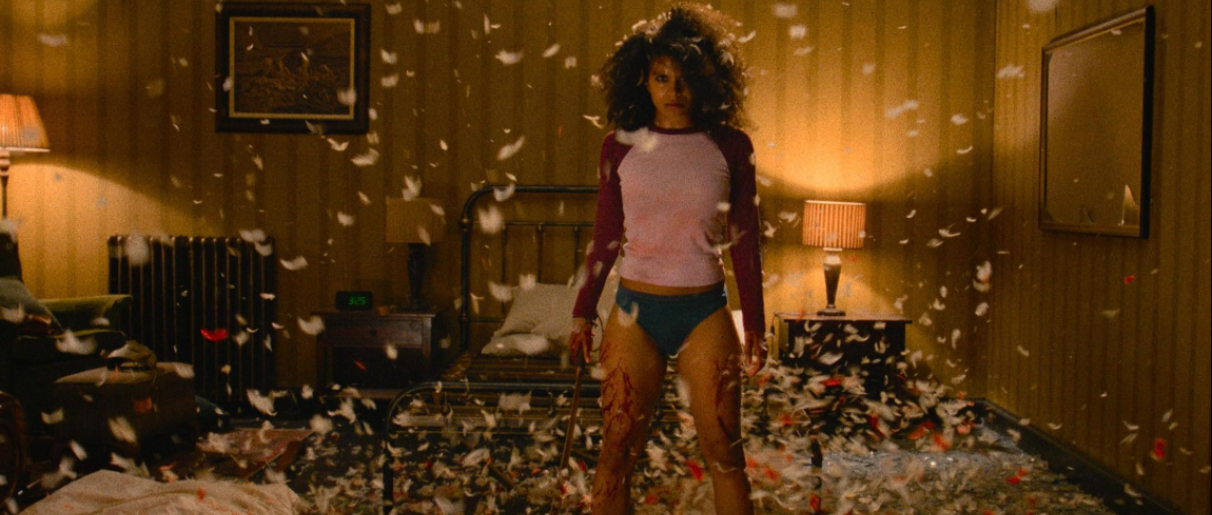
Horror has always had a complicated relationship with beauty. It preserves it, destroys it, punishes it, and frequently turns it monstrous. The genre frequently returns to the image of the body under scrutiny: the woman in the mirror, the “final girl,” the aging body recast as grotesque, the scarred or disabled body as something to be feared or misunderstood, and the outsider whose appearance marks them as other.
As the editors behind the project note, beauty is never neutral. Cultural standards shape which bodies are admired, which are policed, and which are treated as monstrous from the outset. Horror doesn’t invent these hierarchies, but it reveals them for what they are.
The book will be the first full-length publication from The Nottingham Horror Collective, an independent horror publishing project founded in 2020 that began as a DIY zine and has since grown into a platform for bold, thoughtful writing on the genre. Their work has focused on expanding conversations around horror while supporting writers whose perspectives are often overlooked in traditional publishing spaces.
Like many independent presses, projects like Dead Pretty rely on community support. The crowdfunding campaign is raising funds for the first print run of the book, contributor payments, and the design and production that have become hallmarks of the collective’s tactile, art-forward publications.
Independent horror criticism thrives because communities choose to support it. If you value writing that treats horror as both art and cultural conversation, projects like this are where those ideas continue to grow.

Mo Moshaty is an acclaimed horror writer, lecturer, and producer whose work combines visceral storytelling with the psychological insight of her Cognitive Behavioral Therapy background. She has lectured internationally, including as a keynote speaker at Nightmares from Monkeypaw: A Jordan Peele Symposium (Prairie View A&M), No Return: A Yellowjackets Symposium (Horror Studies BAFSS Sig), The Whole Damn Swarm: Celebrating 30 Years of Candyman (University of California), and with the Centre for the History of the Gothic (University of Sheffield). Mo has also presented at the BFI, Miskatonic Institute of Horror Studies, and Final Girls Berlin Film Festival’s Brain Binge on women’s trauma in horror cinema, Cine-Excess on The Creepy Kid Horror Subgenre and Mother/Daughter Trauma in Horror, and Romancing the Gothic on Cosmic Horror’s Havoc on The Body Electric Her short film, 13 Minutes of Horror: Sci-Fi Horror, won the 2022 Rondo Hatton Classic Horror Award for Best Short Film. As a core producer with Nyx Horror Collective, Mo co-created the 13 Minutes of Horror Film Fest and partnered with Shudder in 2021 and 2022, while also establishing a Stowe Story Labs fellowship supporting women creatives over 40+ in horror. A member of the Black Women in Horror Class of 2023 and featured in 160 Black Women in Horror, Mo’s short fiction appears in A Quaint and Curious Volume of Gothic Tales (Brigid’s Gate Press) and 206 Word Stories (Bag O’ Bones Press). Her debut novella, Love the Sinner, was released July 5, 2024, with Clairviolence: Tales of Tarot and Torment released in October 2025. The first of her five-volume non-fiction series, The Annex of the Obscure: The Afterlife, will be released in 2027 from Tenebrous Press. As the Editor-in-Chief of NightTide Magazine and founder of Mourning Manor Media, Mo champions marginalized voices in horror. Under her leadership, NightTide plans to launch a film festival in 2028, furthering her mission to reshape the genre through inclusivity and representation.
Leave a Reply