By Nathaniel Muir
When did vampires become tragically romantic characters? There was nothing attractive about Dracula when Bram Stoker wrote his influential novel. His prominent nose, pointy ears, and long sharp nails gave him the look of a mustachioed rodent. Though his appearance becomes younger as the novel progresses, Stoker does not dwell on how handsome the Count has become.
Early adaptations also leaned into the creature-like appearance of the Count. The 1922 silent version of Nosferatu: A Symphony of Horror is Dracula in all but name. Characters and locations have been changed, but it is essentially the same story. The film is filled with iconic shots that transcend horror, a cinematic masterpiece that showcases the importance of tone and atmosphere, still holding up over a century later. The most beloved and well-known scenes highlight Count Orlok in all his grotesque glory.
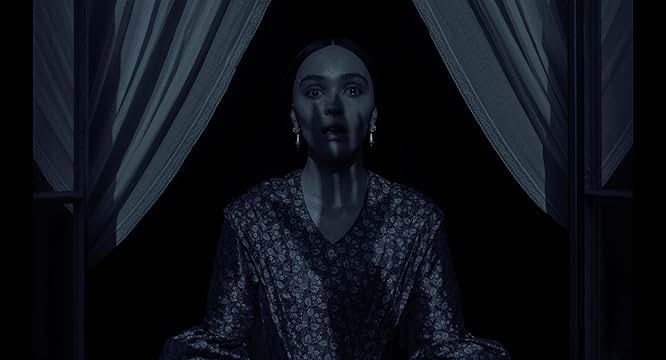
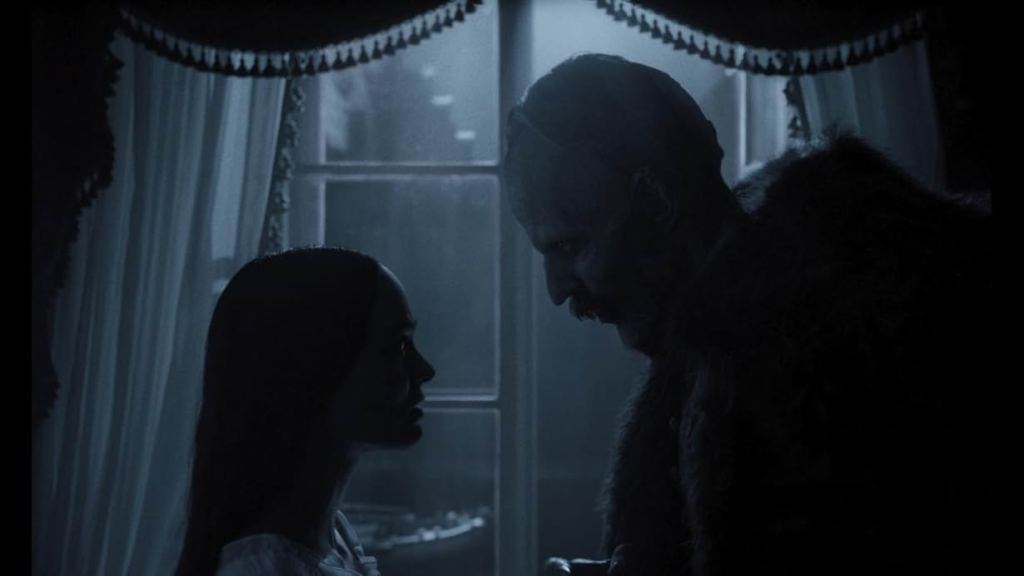
Nosferatu (2024) places increased emphasis on Nina—renamed Ellen in the movie. Through her sacrifice, Orlok is defeated. There is none of the love between the two that future versions would emphasize, but there is more interaction between them than ever. Still, the final shots are of Ellen, her husband, and the Count’s crumbling castle.
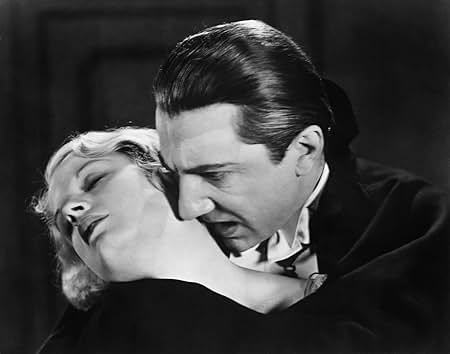
Less than a decade later, the first sound adaptation of Dracula debuted in 1931. Another landmark moment in horror history, Bela Lugosi’s portrayal presented the most charming version of Dracula yet. Gone were the rat-like features, replaced with an air of sophistication and a cape that made him look snatched.
It was also the first time Dracula’s seductive nature was hinted at. Even in Stoker’s novel, the three vampire women introduced an element of sexuality, but Universal’s Dracula took things a step further. Some of the film’s most famous shots feature shadows covering the upper and lower parts of Lugosi’s face. Decades before fangs became his most prominent feature, it was the hypnotic gaze that defined him. His victim, Lucy Weston, is fascinated by the Count before her death, foreshadowing the direction the story would soon take.
The influence of Universal’s Dracula on the character, lore, and mythos cannot be overstated. For the first time, he was seen as a romantic figure. His demeanor, appearance, and mannerisms made him something to admire. Sure, he was still a blood-sucking monster, but he was also a little sexy. (Yes, it is hard to believe that a white guy from Europe would be retconned from outright villain to someone audiences could pity and empathize with, but there you go.)
From there, the floodgates opened. As the decades passed and studios pushed limits further, Dracula—and vampires in general—became synonymous with love and sex. Hammer films were known for their stylish settings and beautiful women. Lesbian vampires became a staple of the 1970s. By the 1980s, Dracula was starring in rom-coms. It was not long before he was covered in glitter. Though these portrayals varied, they often included a story of long-lost forbidden love.
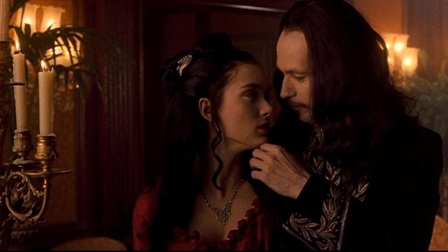
This is most evident in Francis Ford Coppola’s Bram Stoker’s Dracula. Released in 1992, the film is as much gothic romance as gothic horror. Beautifully shot and filled with longing, the plot follows the attraction between Mina and Dracula, their unrequited love driving the narrative. Vlad’s transformation into a vampire stems from his enemies’ lies, leading him to renounce God. He vows to rise from the grave to avenge the death of his wife, Elisabeta, whom he believes Mina to be the reincarnation of.
After decades of adaptations reshaping Stoker’s novel into a love story, Coppola’s version cemented this perception. The deep affection between Dracula and Mina became the definitive interpretation. Even when Dracula confesses his true nature, Mina still proclaims her love for him. The film ends with the two sharing a kiss before Vlad and Elisabeta reunite in death.
Robert Eggers is a polarizing director. While most horror fans appreciate his work, mainstream audiences are often divided. For every person who praises The Witch (2015), three more dismiss it as boring. The same can be said for The Lighthouse (2019). Even the star power of Nicole Kidman and Anya Taylor-Joy could not prevent an underwhelming box office for The Northman (2022).
It is unsurprising that Eggers’ Nosferatu (2024) is also splitting audiences. Some criticize it for lacking excitement, while others praise its storytelling and visuals. However, one takeaway is clear: Eggers has delivered the love story some have long awaited. For them, the final shot highlights the love between Dracula (Orlok) and Mina (Ellen).
These viewers will see Nosferatu as the greatest vampiric love story of all time. Even before Ellen’s revelation about Orlok, their connection is evident. Their bond transcends clandestine meetings, fancy ballroom parties, or baseball games. They are tied together by a force stronger than themselves. A case can even be made that individual character development suffers due to the focus on Ellen and Orlok.
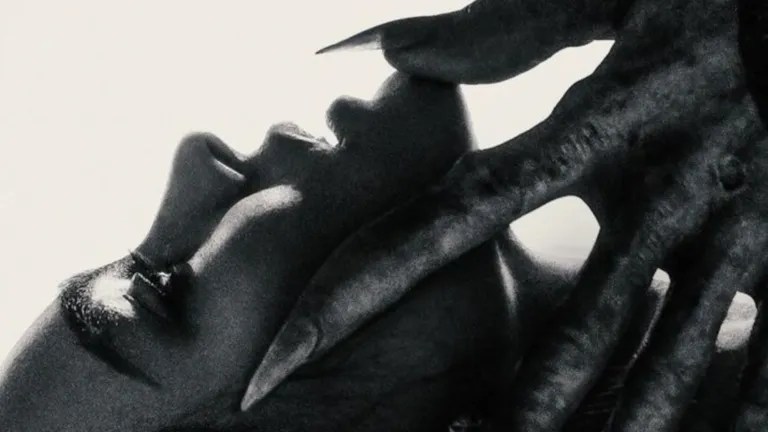
The last moments of Nosferatu bring its two main characters together at last. They willingly embrace in darkness, a moment some will find beautiful and eternal. After all, though Ellen must make a sacrifice, her decision brings her closer to the one she loves. This aligns with the relationship many have grown up believing in and enjoying.
The ending shot provides closure while also deepening the confusion. Many will leave theaters convinced that Robert Eggers has crafted the ultimate Dracula love story. However, upon closer examination, Nosferatu is an allegory for abuse and unhealthy relationships. It is the antithesis of Coppola’s adaptation, replacing tragic romance with physical and psychological torment.
Art is subjective, and there is no such thing as misinterpretation. What audiences take from a work can differ from the creator’s intent. This fluidity makes art fascinating to some and daunting to others. Nosferatu uses this subjectivity to its advantage and demands deeper analysis.
There is a darkness to Nosferatu that honors the source material. Ellen repeatedly states her hatred for Orlok, even calling him her “shame.” He, in turn, does not love her. She is a means to an end, someone to manipulate and control. He does not care for her and may even loathe her. His feelings are grotesque and frightening. This theme recurs throughout the film. Dominance and control overshadow any notion of love. Ellen and Orlok are not in a love-hate relationship, there is no love between them. A more accurate term, one that has entered mainstream discourse in this century, is toxicity. Their relationship is defined by manipulation and fear.
Ultimately, the question is whether Nosferatu represents the next evolution in the vampire genre. Most vampire stories center on love, with occasional explorations of addiction or the longing to be human. Women have been victims, villains, or objects of desire. The rare female hero is often portrayed as emotionless or forced to suppress her desires to defeat the Big Bad.
In contrast, Ellen is a compassionate woman with friends and a fiancé she truly loves. She does not give in to dark urges nor must she tame an uncontrollable lust. In the end, she makes a heroic sacrifice of her own accord. The true romance in Nosferatu is not between Ellen and her abuser but between Ellen and Thomas.

 NightTide Magazine
Leave a comment