

By Elijan Fischer

Most queer horror fans are well aware of the inextricable link between the queer experience and body horror. Whether it’s through fear of our own bodies, or other people’s fear of our bodies and what we do with them, cinematic flesh and bone has always had a certain allure to those who have spent their whole lives being demonized for simply existing in their own skin. While there are many movie monsters whose flirtations with body horror have aligned their iconography with queer audiences (vampires and their lust for blood, Frankenstein and his desire to be loved bolts-and all) there is one monster in particular who rarely comes up in discussions of queer horror despite fitting so perfectly into queer allegory: the werewolf. Werewolves are defined by the “curse” of bodily urge, much like the vampire but on a far more alienated and inescapable level. While the lore varies from story to story, the basics remain the same: every full moon a regular person cursed by some form of bodily connection to another werewolf must transform, shedding clothes and skin to embrace their animal nature and engage in carnal acts. Whether it’s through the wrath of an angry mob or the mercy-killing dished out by a loved one, the werewolf’s story always ends in the cursed individual being executed for their lycanthropy.
The werewolf’s alienation makes it a prime disruptor of heteronormative social dynamics. In the 1940s and 1950s, films such as I Was A Teenage Werewolf were primarily targeted towards teenagers looking for date night movies, often taking advantage of the drive-in trend to offload B-Movies onto young audiences who would be too busy fooling around with one another to care about the quality of the picture. As a reflection of their audience, a lot of werewolf films of the time would include scenes where young couples would have their dates violently interrupted by the monster – a trope later satirized in the music video for Michael Jackson’s Thriller. By nature of their marketing werewolf movies were becoming quickly associated with sexuality, and having their monsters viscously break up canoodling couples on screen was the industry’s way of attempting to fight back against pushes that B-Movies and the drive-ins that showcased them were exposing America’s youth to immorality. But through turning the werewolf into a symbol of interruption of that immorality, they had accidentally established the monster as a figure that derails the heterosexual relationship, something that would persist as the subgenre began to age.

The 1960s saw B-Movies grow beyond the minimalism of monochrome attacks at Makeout Point, thanks in large part to the success of Hammer Film Productions and their Technicolor updates on public domain gothic stories such as Dracula and Frankenstein. In 1961 legendary Hammer director Terence Fisher released The Curse of the Werewolf, starring Oliver Reed. Eight years after the release of The Curse of the Werewolf Reed would cement his place in queer cinematic history through co-starring in Ken Russell’s adaptation Women in Love, a film considered groundbreaking for its queer subject matter. Though The Curse of the Werewolf is far from queer, it pushes sexuality onto the movie monster in a way it had never been sexualized before, particularly in Reed’s sweaty transformation scenes and physicality. Reed’s werewolf, like Christopher Lee’s Dracula, turned a classic movie monster into an aggressive reflection of the sexual revolution of the ‘60s. Audiences had gone from being chastised through the screen for mauling each other at the drive-ins to being encouraged to lust after Reed’s tortured character as he tears open his shirt and drowns moviegoers in sweat and body hair.
The Curse of the Werewolf also introduced a new element to the werewolf’s backstory, one which encouraged unprecedented empathy. In the previous decades, lycanthropy was the result of experimentation, establishing to the audience that though our protagonist is somewhere beneath all that fur they are still a perversion of the natural order that needs to be eradicated to restore balance. In The Curse of the Werewolf, however, Leon (Oliver Reed’s protagonist) is simply born that way. This massive change adds depth to the film’s moments of more traditional tropes, such as Leon having to fend off a torch-and-pitchfork-wielding mob. Because his “curse” was something he was born with there is a deep melancholia in place of the typical feeling of greater good when the werewolf meets their end in the picture’s climax. How is it fair to punish someone for a “curse” they were given at birth?
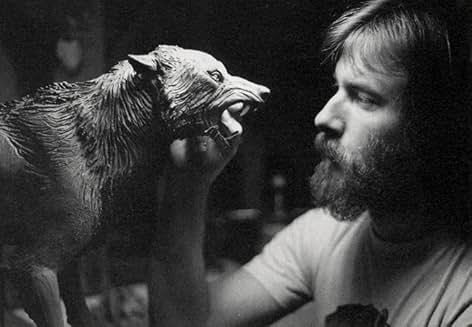
The 1980s are when the latent queerness in the werewolf story began to be fully embraced on the screen, the most prominent example being the classic An American Werewolf in London. The film follows David, an American college student who is bitten by a werewolf while hiking across the English moors with his best friend Jack. From David spending most of the film psychologically grappling with Jack’s death to the frequency of full-frontal nudity during both pre-and-post transformation scenes, An American Werewolf in London is filled to the brim with queer subtext. It also revived the concept of lycanthropy being transferrable through an exchange of DNA rather than serum or science experiment, something that feels notable given the film’s debut the same year as the first reports of AIDs. The film combined homoeroticism through technique and homosociality in its script to tell the story of a man doomed by an exchange of bodily fluids that killed his best friend and is now consuming him – it’s hard to ignore its power as a queer film at least in subtext.

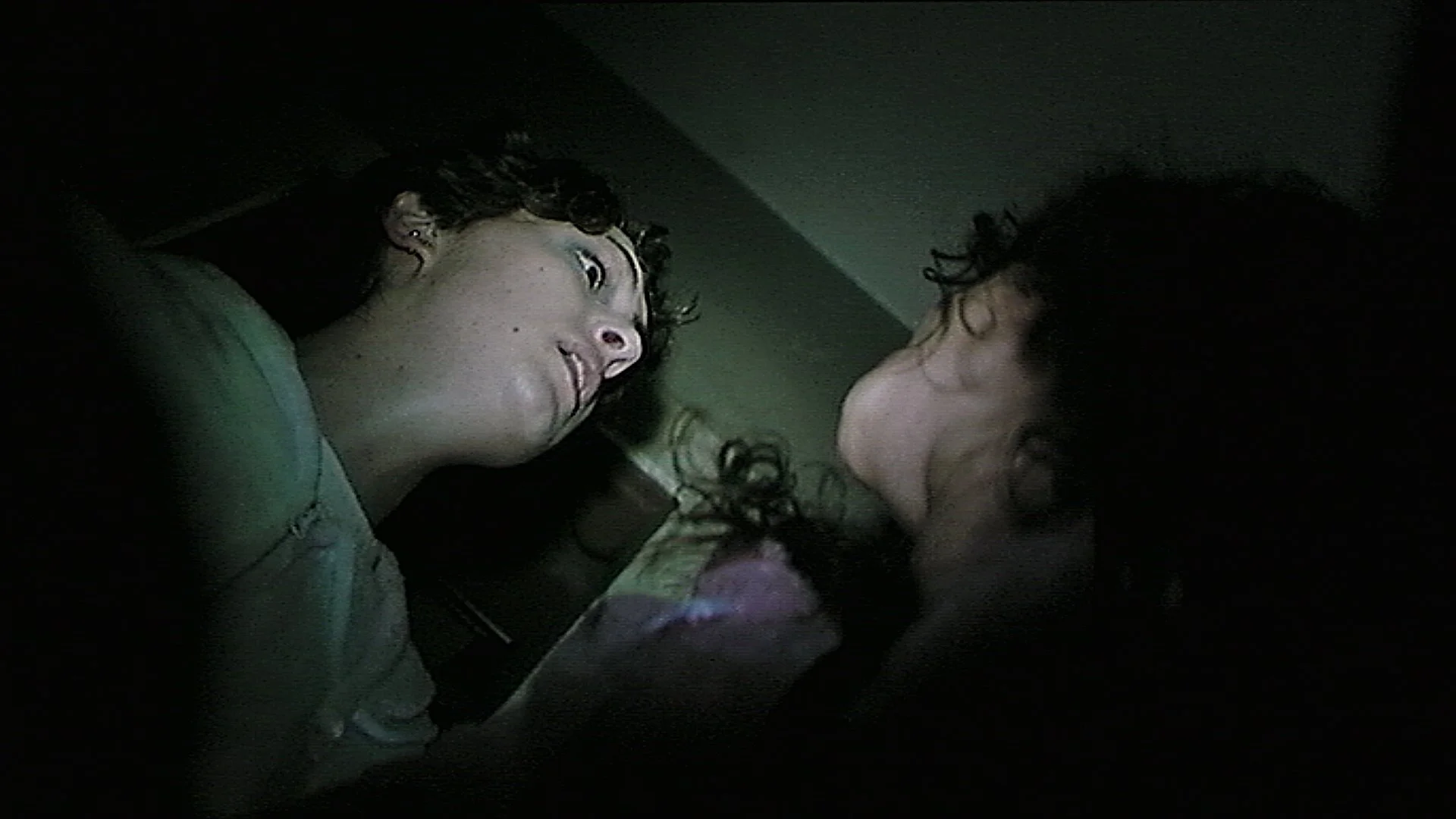
The 2000s introduced a new host of problems for werewolf movies. Whereas in the past vampires weren’t considered attractive beyond the mold of Count Dracula, the popularity of Buffy the Vampire Slayer ignited the “sexy vampire” trend that continues to dominate to this day, and werewolves had no answer to Spike and Angel. Enter Ginger Snaps, a feminist take on the werewolf story that brought a sleeker feel to a traditionally gothic subgenre and turned it full circle as it sought to get back the teen audience it had once had 50 years ago. Ginger Snaps unfortunately never broke beyond cult status, and fans are still debating whether that’s the result of the industry failing independent horror or of audiences rejecting films with female voices. However, through its cult status, Ginger Snaps has given lesbian audiences more than just something to fill male shoes: it introduced a female monster whose allure wasn’t shown through the male gaze. It’s only when Ginger’s aggression becomes targeted towards the women in her life that the film decides to “punish” her with death, a decision that while arguably problematic on its own shows the film’s dedication to creating a story where women are allowed to matter not only just as much – but even more – than men.
Werewolf films have faced a rapid decline since the start of the 21st century, and once the cultural boom of Twilight kicked off it became clear that vampires had won the battle. But the merit of the werewolf story comes from its rejection. Werewolves are the misfits amongst movie monsters, they’re less photogenic than vampires and less esoteric than ghosts, but there’s something attractive in the roughness around their edges that misfit audience members can’t get enough of. Queerness on screen has suffered the same uphill battle of being deemed unpalatable for audiences, and at times subtext and allegory are all we have had to cling to. In times like these, where the future of queer media remains uncertain, the importance of misfit stories like the werewolves has become more important than ever. We all deserve to be our truest selves – fur and all.


Elijah Fischer is a journalist and film critic based in Philadelphia, PA. For further comment or writings he can be found on Instagram (eli.fis03), Letterboxd (eliserhead), or contacted by email upon request.
Leave a Reply to 5 Must Read Horror Articles 7 April 2025 – This Is HorrorCancel reply