
By Paul Wooldridge
When considering the horror movie genre, our thoughts have traditionally been clouded in darkness. Our minds usually leap to the stereotypical terrors lurking in the shadows, the evils that dwell in the old dark house, or the nightmares unleashed on a dark and stormy night. We are naturally more scared of what we cannot see, allowing our imagination to conjure something often far worse than the most creative director could conjure. Darkness empowers the viewer to do the majority of the scarring themselves.

Daylight is usually relied upon to evaporate the fears experienced during the night. The morning after, and the cold light of dawn, not only mark out safety for most protagonists but often causes their recent fears to seem laughable by comparison. In the case of Dracula, and most Vampire horror, the sun literally evaporates the undead foe. Daylight could therefore be considered to remove the blank canvas (or dark canvas perhaps) on which we feel impelled to paint our worst fears.
Shedding light in horror means the source of fear is brought into clear view and can, therefore, be more easily analysed and measured up; the terrifying cards are, for better or for worse, laid out more clearly upon the table.
Many horror films have seen the fear and tension, which was so skilfully ratcheted up, extinguished the very instance the main threat is revealed. The audience can so easily be disappointed if the great reveal is mishandled or the enemy overstretches credulity. The relief that comes when the erstwhile terror is undermined is all too often accompanied by laughter, or at the very least a roll of the eyes and an accompanying tut; the antithesis of the emotions the film makers intended to provoke. The monster reveal in Jeepers Creepers 2001, for instance, when the van driving, mass murdering, entity spread its wings, induced from me a snort of derision that burst the bubble of fear the first section of the film had be so successful in cultivating.
Setting horror films during the day, in well lit surroundings, does mean the director has to maintain the mystery, of exactly what is tormenting the protagonists, by other means.
Tremors 1990 has the desert town of Perfection terrorised by subterranean beasts, while Jaws ‘75 kept the details of the titular great white hidden beneath the waves.
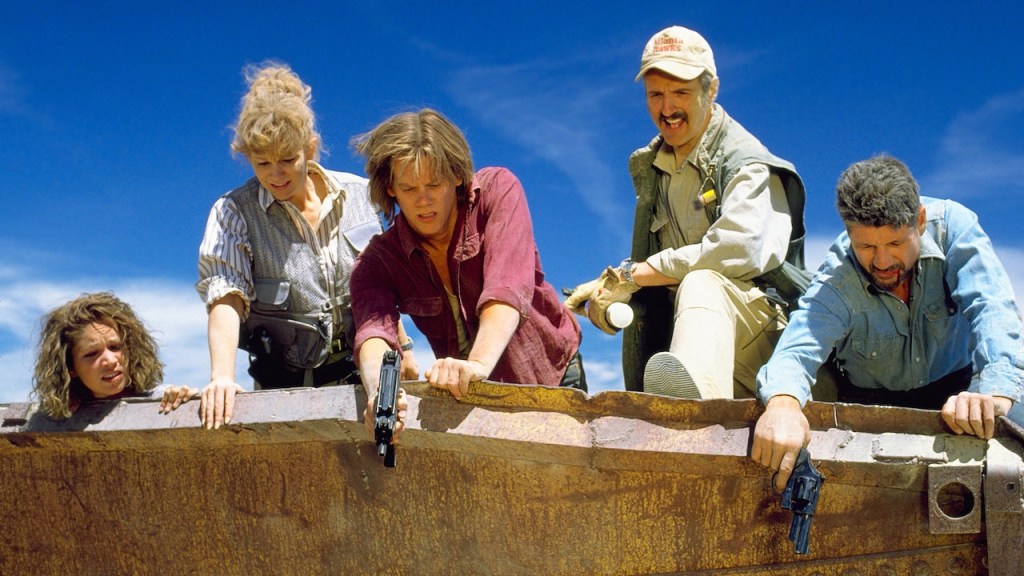
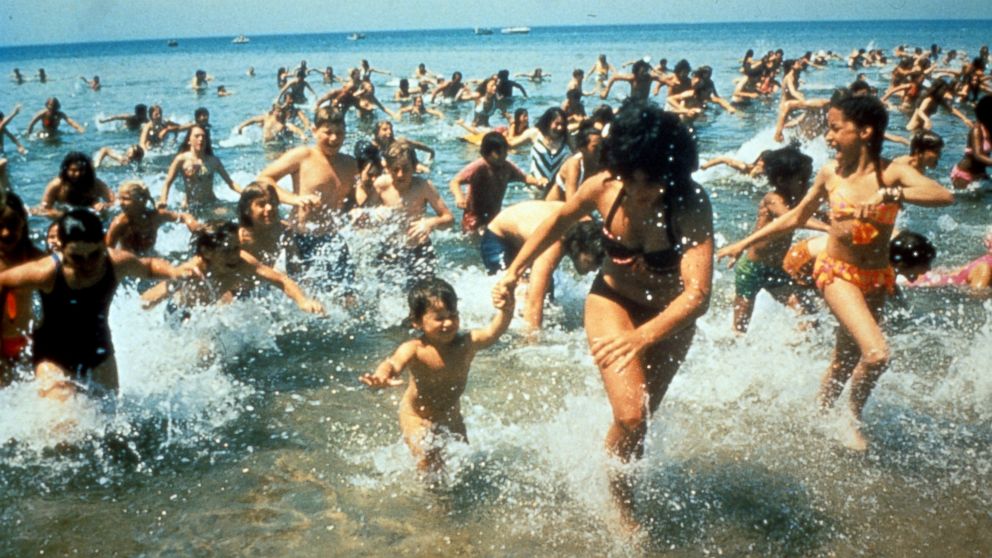
Jaws is great example of how bringing horror into day light offers the opportunity to invade spaces otherwise considered to be out of harms way. The summer beach no longer felt safe after the films release while Hitchcock’s The Birds ‘63 brought terror to the sunny Californian town of Bodega Bay. Folk Horror like The Wicker Man ‘73 has made even the most bucolic Scottish islands a place one might fear to tread, and the extended Mayday celebrations of rural Scandinavia will never be consider so innocently after Ari Asters 2019 Midsommar.
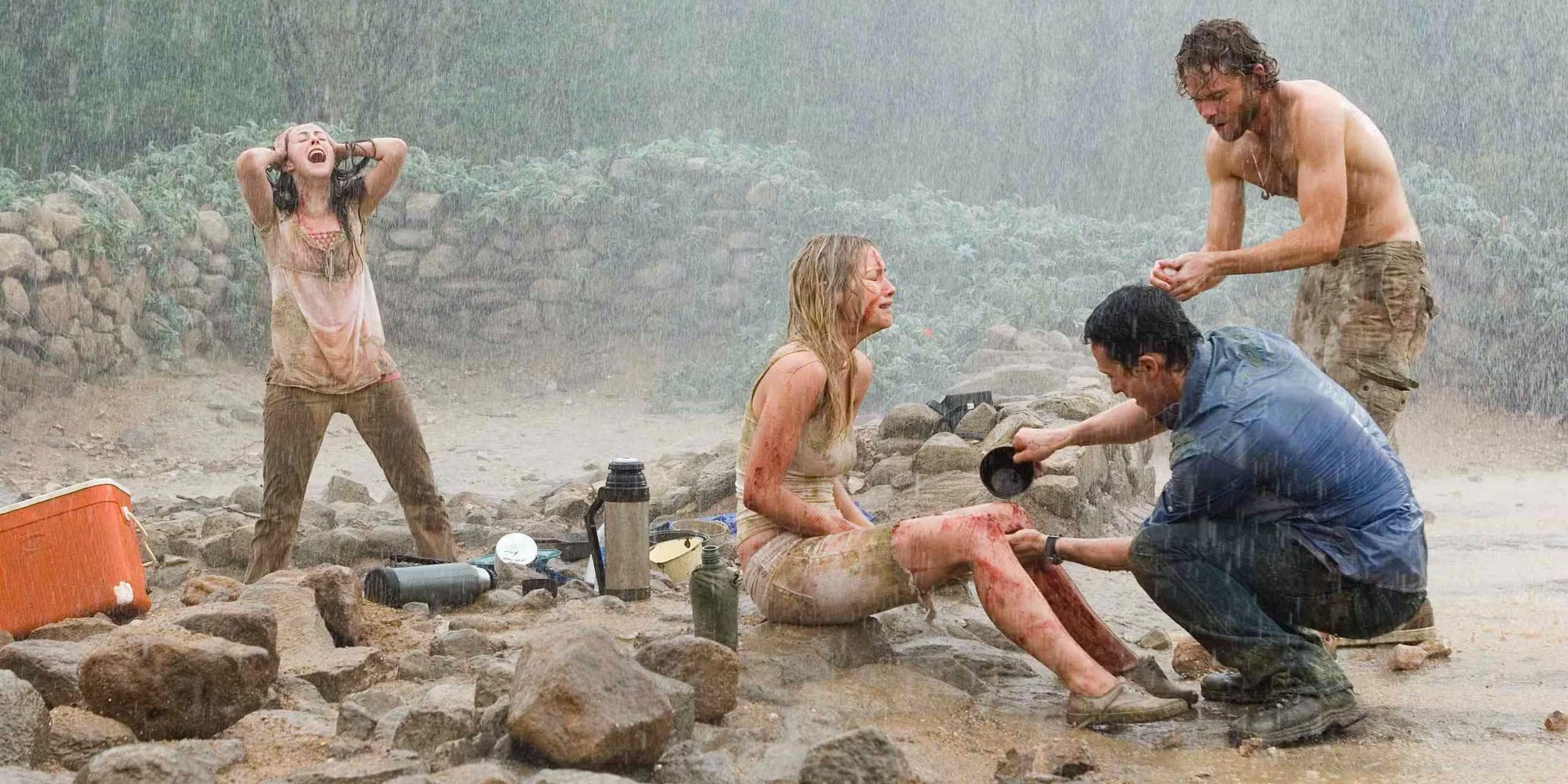
Not only has sunny settings brought terror to otherwise unexplored areas, the overpowering heat and glaring rays of the sun have also been utilised more directly as an additional source of torment for horror film characters. The blistering Texas summer was an added component to the trials suffered by the teens in The Texas Chainsaw Massacre ‘74, while Dutch and his team had their encounter with a Predator in 1987 made all the more trying by their sweaty sun burnt tropical environs, as did the young holiday makers in 2008 The Ruins.

Directors have not only added to the visceral effects of their horrors by inclusion of daylight, but by intentionally brightening the colour pallets of their films. Ti Wests prequel to X, 2022’s Pearl was purposeful in its use of vibrant technicolour in heightening the titular farm girls burgeoning psychopathy.
By bringing horror out of the shadows and into broad daylight film makers have widened the possible situations and locations in which they are able to ply their trade. By bringing the monstrous and horrific even closer to home they have successfully encroached upon our waking hours hitherto considered safe beneath the rays of sunlight.



 NightTide Magazine
Leave a comment