By Sharai Bohannon
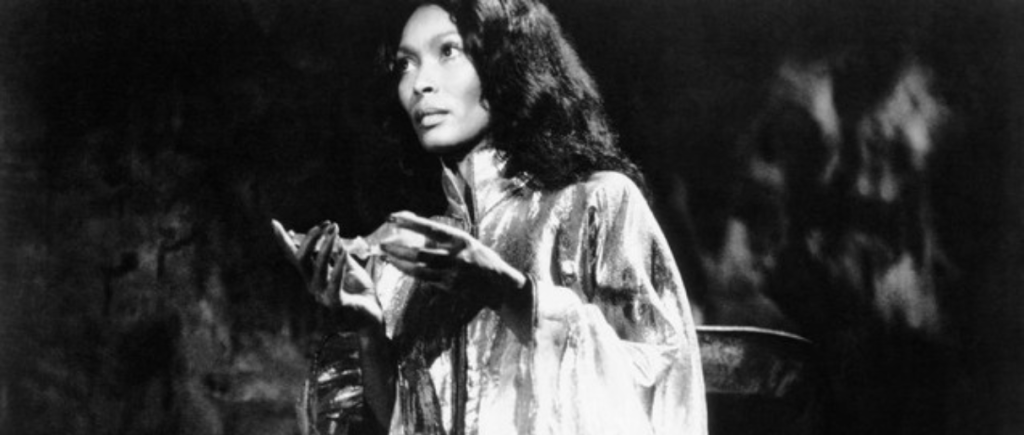
One of the reasons I’m very vocal about Black horror is that too many talented people die with only a sliver of the recognition they earned. Many of them managed to carve out a path for themselves in an industry that refused to offer them a seat at the table. However, I am always left wondering about the opportunities that bias locked them out of. This is part of the reason the phrase “Black famous” is a double-edged sword. It means their community showed up, but sadly, never made it mainstream because of racism. This is why having more non-white critics is crucial; it’s why representation matters behind the camera, too (looks right at Matt Damon). Too many of us miss out on legends like the late Marlene Clark until it’s too late because of these issues. This is why I was embarrassingly late to learn that Clark was a lowkey Black scream queen during the Blaxploitation era.
I was unfamiliar with Marlene Clark’s game until this decade. Like most people, I watched Horror Noire: A History of Black Horror during the pandemic. The Shudder documentary led to an overdue deep dive into Black horror cinema and a specific lightbulb moment for Blaxploitation horror. For all of my pointing out how film criticism is overrun by white guys, I never unpacked why I believed they were right about these movies. As if somehow the critics started failing in the 90s, but were right about Black art in the 70s. After watching the documentary, I hit the streets and tracked down films I wished I’d watched sooner in life. Movies like Sugar Hill (1974) and Abby became my new personality. I was especially gobsmacked by Bill Gunn’s Ganja & Hess. No one ever told me this Black arthouse film, in my favorite genre, even existed.
Ganja & Hess is beautiful and moody. It’s also in the DNA of tons of movies that probably don’t pay it nearly enough credit. Watching Marlene Clark and Duane Jones live a decadent life in my youth might have changed my whole trajectory. Discovering that the whole time I sought out intersectional filmmakers, Gunn was right there, blew my mind. However, that’s a whole other article. Watching this movie in 2022 was my introduction to Clark, but it would not be the last time I saw her. She actually appeared in so many other horror movies from that era. Always bringing a level of grace, dignity, and power while being gorgeous. Sometimes, Clark is literally the best part of the film. It wasn’t long before I realized this is a lowkey scream queen. Or a horror icon if she is one of the ladies who find scream queen a loaded term.
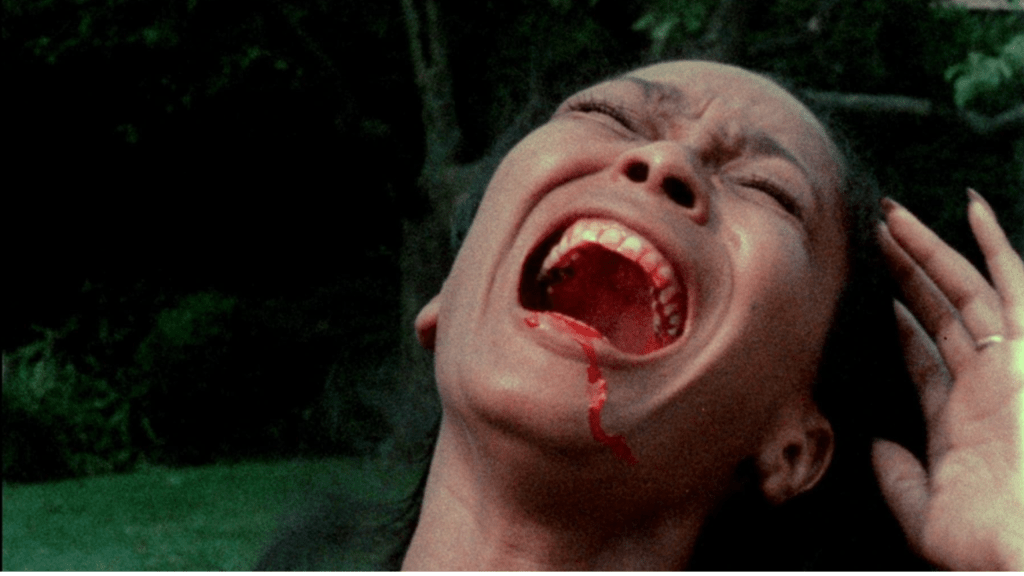
I don’t know how she felt about the title because she didn’t get interviewed nearly enough in her short career. This is one of the things that stuck with me after reading “Slinking Through the Seventies: An Interview with Marlene Clark” in a blog post that resurrected her Fangoria interview with Chris Poggiali. Yes, most of her movies did not come out on time, which made it difficult for her to do press for them. However, how many of those movies encountered delays or were shelved because they were considered too Black for that era? We can barely get people to financially support movies with Black people featured in them today. So, I cannot even begin to imagine the hurdles back then.
Clark managed to find work despite the industry that failed her. She’s amazing in The Beast Must Die, captivating in Night of the Cobra Woman, and the best part of Beware! The Blob. It’s impossible to watch any of her movies and not see a talent that deserved more opportunities. These performances reveal a talent that was born to be a leading lady. Instead, Marlene Clark eventually retired after two decades of being stuck. So, her contributions to the genre and cult cinema just end abruptly. After the way she was treated and with how hard it was to be a Black actor of that era, I cannot really blame her.
Marlene Clark started out as a model. This led to her eventually landing a role in a film called Putney Swope, directed by Robert Downey Sr. Downey told her she was out of focus and encouraged her to take her top off for the film. She learned this was a lie when she eventually saw the movie. However, she didn’t let that stop her from wanting to become a better actor. She studied, did some stage work, and added quite a few more ambitious indie titles to her resume. Sadly, what was supposed to be her breakout role in Stop! (directed by Gunn) was shelved.
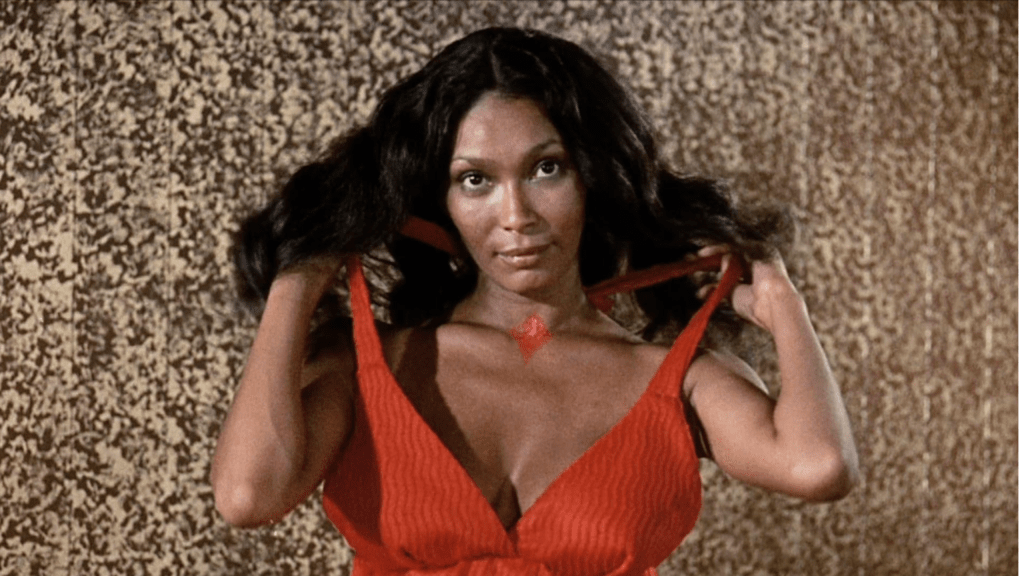
She pushed ahead and got a small role in Beware! The Blob. She was the first human character to die in the film and took it in good humor. “It gets out, kills the cat, and then kills me. That was quite an experience. I’d never been consumed by a blob before — nor have I since!” – Marlene Clark (Temple of Schlock via Fangoria).
The gig led to Clark finding more work in the genre, where she became an overlooked baddie. Her career included enough villains to earn an article titled “Eaten Alive! Marlene Clark’s Black Femme Monsters”, written by Lea Anderson. This Fangoria tribute celebrates her work and sheds light on the lack of publicity and care Clark received while carving out a name for herself. Night of the Cobra Woman found her playing the titular snake woman. She traveled to the Philippines and sat through hours of makeup in the heat to make this film. The production also hired a snake handler who kept forgetting to handle the snakes.
“I never would’ve been relaxed around all those snakes anyway, but you certainly don’t feel like you’re being taken care of when the snake handler keeps forgetting to milk the cobras! The director says, ‘OK, we’re ready for the scene where Marlene’s surrounded by snakes.’ I ask the handler, ‘Have you milked the snakes yet? Are you sure they don’t have any venom?’ And he can’t remember! [Laughs] Hello! I’m here with a bunch of snakes!” – Marlene Clark (Temple of Schlock via Fangoria).
Clark ran into a different kind of danger on the set of Black Mamba, where she was almost assaulted on camera. According to Clark, the two dozen men in the scene started pulling their pants down. Her panic caused the director, George Rowe, to step in. He explained to the guys that the scene was supposed to be pretend and then calmed Clark down. It’s concerning that it happened at all and raises countless alarms.
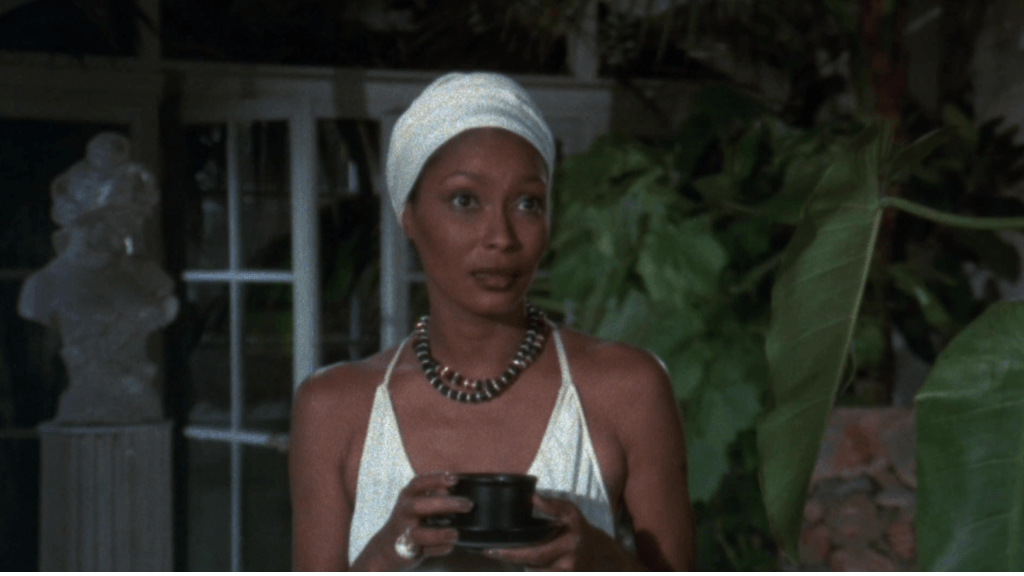
Switchblade Sisters was another movie where carelessness nearly led to Marlene Clark being seriously hurt. Her character gets involved in a shootout, and Clark is riding atop a tank without any safety precautions. In her Fangoria interview, she describes how, when the vehicle drove onto the sidewalk, she felt her ribs shake and thought something was broken. This woman really went through it, and a good chunk of people in my generation only discovered her work because of a documentary that came out a few years ago. That seems unfair and puts Marlene Clark in that category of undersung Black actors who deserved so much more. She eventually gave up on her dream, and we were robbed of seeing her in more movies. She never got her shot at being a true leading lady because the industry has never given Black women the same opportunities as their peers.
This gifted actress took up space in a genre that was not ready for Black women. The casual misogynoir she experienced while working on films that wouldn’t truly be celebrated until years later, if they ever came out at all, makes me want to scream. The fact that she has only one interview floating around the internet only drives home how undervalued she was. The major outlets mentioned Sanford and Son when announcing her death in 2023. A few mentioned her brief marriage to Billy Dee Williams. However, because of their genre bias, too few barely even skimmed the surface of the cult classics she appeared in. The movies where filmmakers were so careless that they (more than likely) traumatized this woman were all but ignored. The titles she managed to cobble together for an all too short career weren’t mainstream enough for them to list.
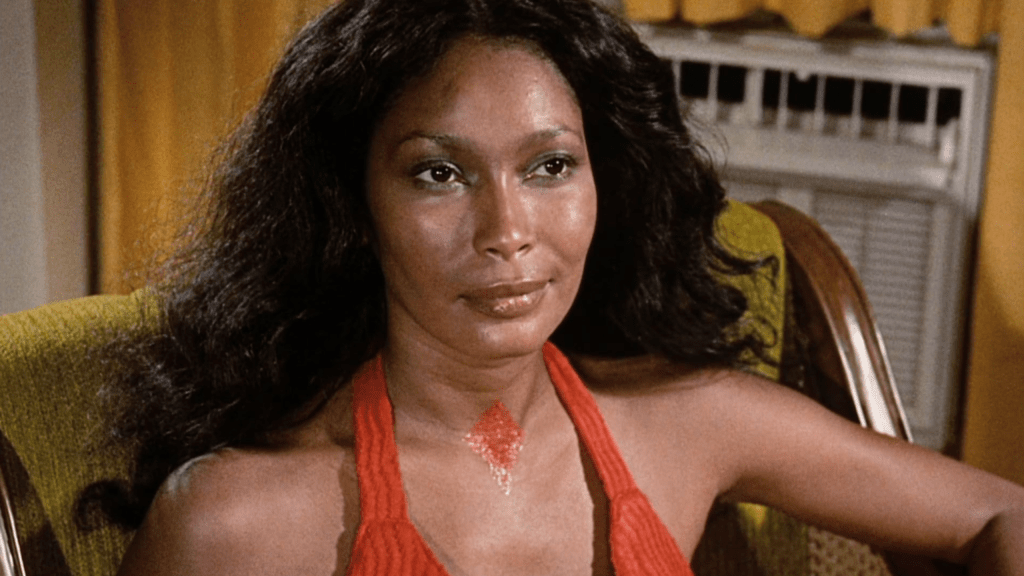
This unsurprisingly happens to Black actors all the time. Their contributions are erased, and no one talks about the uphill battle they faced to claim a modicum of the career they deserved. What frustrates me about Marlene Clark, specifically, isn’t just that it’s another Black woman locked out of Hollywood. Hers is the story of a Black woman who carved out a name for herself in a time when that was unheard of. She paid her dues and then some. She put her body and life on the line repeatedly, and ended up having to give up eventually anyway. What kind of message does that send to the generations of Black girls with aspirations in film who came after her?
Her career is too reminiscent of Night of the Living Dead’s Ben (played by her Ganja & Hess costar Duane Jones). He does everything right, tries to save the house full of white people from themselves, and survives countless zombies. However, at the end of the film, he is shot and burned alongside the zombies. All of his work and effort could not save him from a society that did not want him to exist in the first place. We can almost taste the ending he deserved, but we are smacked in the face with the ending that was reserved for Black people.
I’m not here to shade any white final girls, scream queens, etc., who worked in the same era as Marlene Clark. I am here to point out that bias plays a huge part in why some of them with fewer titles under their belts have found room in horror’s collective memory, though. This woman was talent, grace, and beauty personified in all of her films (that I have been able to track down). Yet, her name is usually absent when we discuss women in horror who walked in the 1970s and 1980s, so women could run later. I wish we could change that, because we all owe her a huge debt of gratitude. Sadly, Black women are still constantly disrespected in this industry. I doubt most people will give belated flowers to this icon when they refuse to even show up for the ones currently fighting to take up space today.

 NightTide Magazine
Leave a comment