
By Sharai Bohannon
I have been saying for a few years now that Shudder is my favorite subscription. I love to put together a list pulled from their library of Korean titles, or giallo I need to see, etc., on a whim. Like many horror fiends, I spend a lot of time cruising their library and becoming a more well-rounded cinephile and aspiring horror historian. However, I do not think we give this streamer enough credit for shaping how we currently find and interact with the genre. Which is why I am here to double down on how the streamer made me a better critic and how it preserves the horror recipes for the youth in general.
In 2020, I had just started my first horror podcast and used it as an excuse to start an on-and-off again relationship with the app. I soon found films that I might have missed that went on to become my favorites. It’s where I wept through Issa López’s Tigers Are Not Afraid for the first time. That was the era I stumbled upon Bryan Bertino’s The Dark and the Wicked, which creeped me the hell out. However, it was my constant rewatches of Josh Ruben’s Scare Me that made my little air sign heart commit to the app for good. Which gave me more time to discover ghoulish goodies like The Autopsy of Jane Doe, fantastical international tales like Good Manners, and so on and so on. My love of 1980s horror also resurfaced, and I began digging my heels into slashers of that decade specifically.

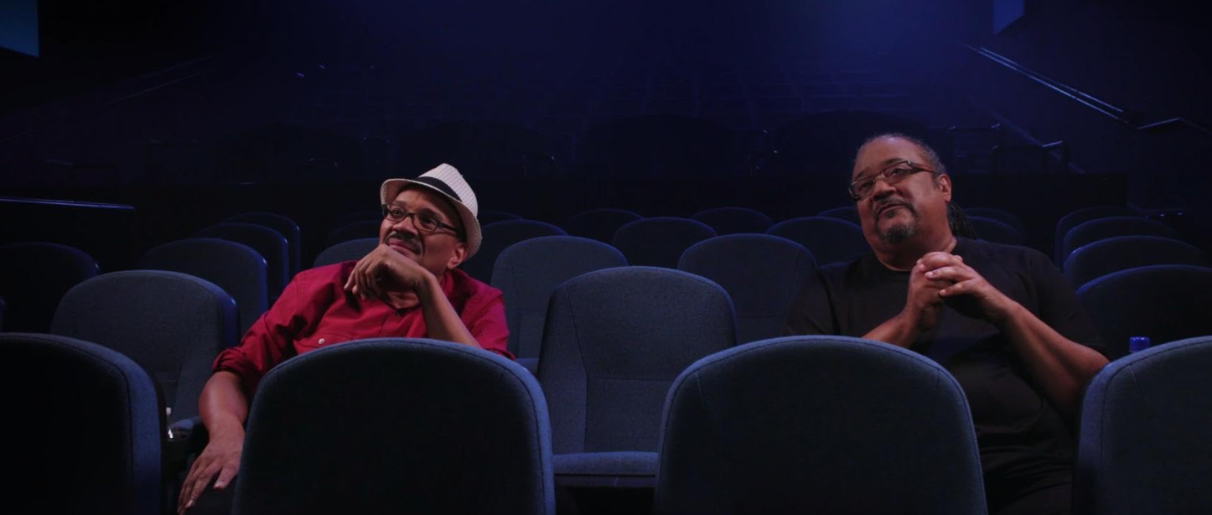
Not only did Shudder allow me to begin a deep dive into 80s slashers, but it also started letting me build a solid foundation for giallo films. One of my weakest areas in 2020 was ironic because I love a good kill and some drama. I religiously watched the streamer during the quarantine and eventually stumbled upon Horror Noire: A History of Black Horror. It is an understatement to say this documentary made most of us better journalists. It made me realize I was still giving white criticism too much power and was instrumental in reshaping everything I thought I knew about Blaxploitation horror.
The app didn’t just introduce me to this crucial part of my becoming the intersectional horror journalist I wanted to see in the world. It also had many of those movies in the library, so it was easy to cross them off. Sugar Hill (1974) became my personality. William Crain’s Blacula made me revisit all of the Black vampires that came after and clock how this icon is in all of their DNA. Don’t even get me started on the documentary being where I discovered the Blaxploitation icon, William Marshall. He is sadly left out of the horror conversations as Black folks (and their contributions to the genre) often are.
I have gone on record saying that Horror Noire: A History of Black Horror and the Queer for Fear: The History of Queer Horror docuseries should be mandatory watches for any horror nerd. Both are perfect examples of how Shudder keeps opening the library and encouraging viewers to be curious. After all, the more we learn about our favorite genre, the better we can evaluate it as fans and critics. These two Shudder Originals also show that the streamer isn’t just here to platform work from marginalized voices. It’s also here to contextualize and celebrate what came before our current favorites while starting a dialogue about why it matters. As a person who has big feelings about the way my favorite genre treats characters who look like my friends and me, I love that the documentaries were made and are accessible because of this streamer.

Another way that I, and many smaller content creators, benefited from Shudder was that it allowed many of us to join our first press list. Where most places look down on content creators, podcasters, etc., just starting out, this streamer knew that’s where it would find its strongest soldiers. My first podcast wasn’t a year old before their former PR person, Sean Redlitz, reached out. Tons of us were given access to screeners, press releases, and more to assist in growing our own little labors of love. Getting our foot in the door back then helped us get to know the people who came after that era. The people who now make sure we get access to screeners and press screenings. This is huge, as most studios still look through many of us who aren’t cis-white guys. This also indirectly meant many of us covered tons of indie horror films and were granted access to the people who made them. That led to interviews for many of us that we might never have gotten without Shudder bringing us together while we were at our collective worst in 2020-2021.
Outside of my own selfish and career-related reasons for being obsessed with this app, there is the nerd appeal. Many of us talk about yearning for that feeling of standing in a Blockbuster on a Friday night. We wax poetic about picking up a random movie because of the cover or a fun title. Shudder captures that feeling better than any other app I know if you’re a horror kid. Sure, HBO Max used to have a cool horror section before she started having an identity crisis. I also know the kids love Tubi because it’s the wild west over there, and it’s free. However, the curated deep cuts, international bangers, and indie gold on this Shudder are unmatched. Quietly devastating films like My Heart Can’t Beat Unless You Tell It To are thrown on there alongside cinema like Dario Argento’s Opera just because it’s Tuesday.
Sometimes I’ll hit play on something that sounds even too out there for me and then have to happily eat some crow. The Cleansing Hour, Pieces, and Girl on the Third Floor are all under that very specific category. I honestly do not think I would have seen any of them if not for reading the description and then hitting play. The app is also the reason most of us know the work of The Adams Family, Alice Maio Mackay, Demián Rugna, and countless other beloved filmmakers. Shudder fills in so many gaps in our collective knowledge faster and more effectively than any other method I can think of. They also ensure we get access to international bangers like Satan’s Slaves (2017), Exhuma, May the Devil Take You Too, Sissy, and MadS. The app is a choose-your-own-adventure that encourages you to step outside of your comfort zone and be a better consumer.

I didn’t mean for this to turn into what feels like an overlong ad for Shudder. However, I do not think people understand how they changed the game for many of us nerds. I had my first watch of films like The Devils and Butcher, Baker, Nightmare Maker, and we are currently able to stream Tales From the Crypt because of this app. These are just a couple of the nearly impossible-to-find titles that eluded nerds like me for most of our lives. They also consistently have some of the best horror television shows, with The Creep Tapes, Slasher, and Hell Motel. They even picked up the wrongly canceled Chucky series to ensure fans had commercial-free access to the last place we saw our favorite killer doll. They literally have covered every possible horror special interest you may have. This is why I want to throw hands when people ask if anything is on the app.
Shudder is single-handedly giving many of us a priceless education. It made many of us better critics and helped us find filmmakers that match our freak. It not only raised its own class of writers and directors, but it also ensured podcasters, YouTubers, bloggers, etc., were able to hone their craft. We have a better understanding of indie film and a deeper appreciation for international gems because we have endless access now. So, while I personally don’t think most streamers are worth what they charge, I do keep this one. We’ve been committed for five years and counting, and I’m better for it. The company is for the misfits, weirdos (complimentary), and curious viewers. It’s the only app specifically built for horror kids, and it shows. While not all of their swings are home runs, at least they’re taking swings in this risk-averse hellscape we’re living in.
I’m going to end this manifesto by stating the obvious. Everyone who wants original horror and is sick of regurgitated IP clogging the box office should be surfing the Shudder streets. Everyone who wants to work in horror should be studying these films that are constantly being yeeted onto the app. More importantly, any horror fan who does not know this is the most important weapon in our collective arsenal is missing out. I beg everyone to open the library and actually look around before claiming there isn’t anything in it. There are a plethora of titles waiting to become your new favorites, and the filmmakers vibing on your frequency, waiting for you.

Sharai is a writer, horror podcaster, freelancer, and recovering theatre kid. She is the host of the podcast A Nightmare On Fierce Street and is also one-half of Blerdy Massacre. She has bylines at Fangoria, HorrorBuzz, Neon Splatter, and is Co-EIC of Horror Movie Blog. She spends way too much time with her TV while failing to escape the Midwest.

Leave a Reply